

This post may contain affiliate links. We may receive a small commission, if you make a purchase. Read Disclosure.
Kruger National Park is arguably the most famous game reserve in South Africa and THE place to go on safari and see African wildlife in their own backyard.
It’s known as one of Africa’s largest game reserves. Spanning across two provinces, Limpopo and the Mpumalanga, and encompassing 19,455 square kilometres, this game reserve is huge!
With lots of space, comes a lot of wild animals, and it’s possible to see each of the “Big 5” animals within the park (lions, leopards, rhinos, elephants and cape buffalo).
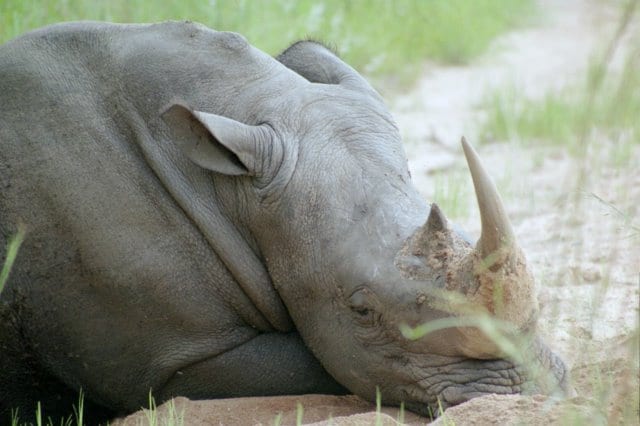
As well as being home to a diverse array on animals, it’s also known for its diverse landscapes, which is mostly made up of bush plains, but also has tropical forests, rivers and lakes too.
Visiting Kruger National Park isn’t just about going on a safari, it’s an experience. You can camp inside the park, play golf with the hippos (no seriously) and go for eco walks. You will need a rental car to visit Kruger or join a tour.
In this guide, we share everything you need to know about visiting Kruger including things to do, what to see, and what to expect. We also share tips on places to stay and how to make the most of a safari.
About Kruger National Park
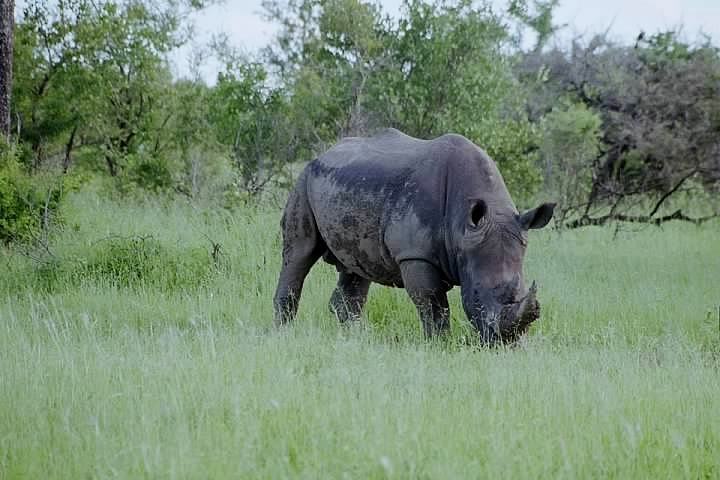
Kruger National Park is located in northeastern South Africa. It’s well known for having one of the best African wildlife viewing experiences, with a high concentration of animals and a developed park system of roads and accommodation.
Established in 1898 as the Sabie Game Reserve, under the watch of the first warden, James Stevenson-Hamilton. It was created to protect the wildlife of the area from poaching and habitat destruction.
The park was later renamed in honor of Paul Kruger, the former president of the South African Republic, and was officially designated as a national park in 1926.
Spanning over 19,000 square kilometers (about 7,500 square miles), Kruger National Park is renowned for its incredible biodiversity.
As well as being home to the “Big Five”, it’s home to many other species of mammals, reptiles, amphibians, and bird species, such as owls and the martial eagle.
Kruger National Park is famous not only for its rich wildlife but also for its accessibility. It offers a variety of accommodation options, from luxury lodges to campsites, and has well-maintained roads for self-drive safaris, as well as providing tours that emphasize the importance of conservation and education.
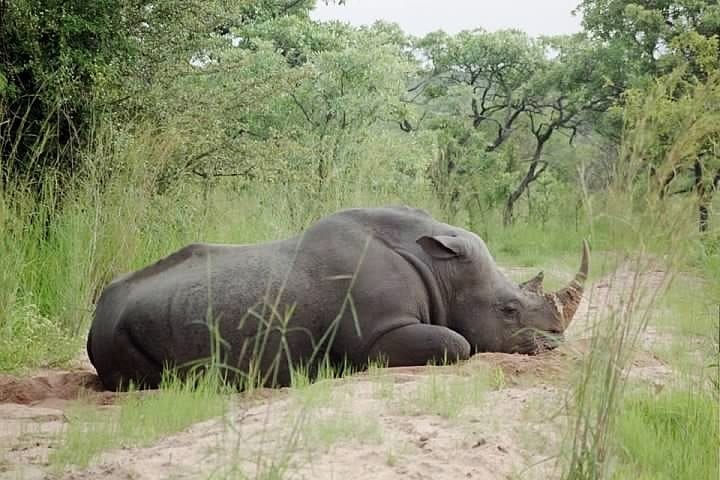
Because Kruger is a national park and does not have fences like private reserves, it still has a poaching problem. The park has a population of over 2,000 white rhinos, but the population of black rhinos is around 200 or so.
Things To Do In Kruger National Park
1. Go on a safari!
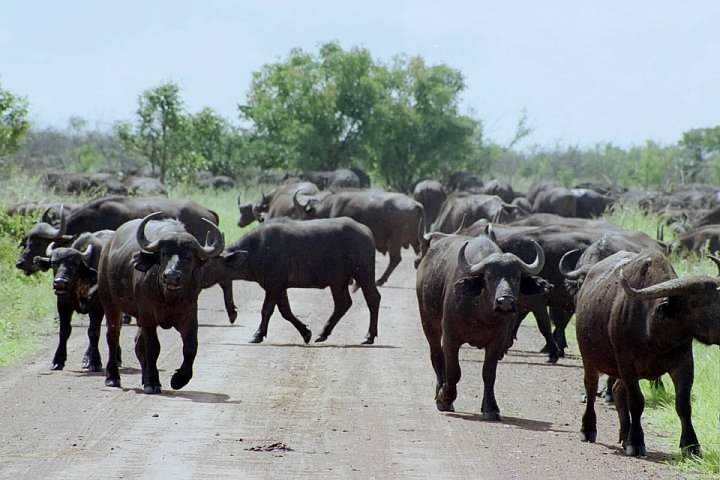
One of the biggest reasons to visit Kruger is to go on game drives, which is the ultimate wildlife experience in Africa.
A game drive gives you that chance to spot all of the iconic “Big Five”, and it’s also a paradise for birdwatchers, boasting over 500 species of birds, such as the striking African Fish Eagle, vibrant Lilac-breasted Roller, and numerous raptors and waterfowl.
A highlight of any visit is the Sabie River, which runs through the park and serves as a vital water source for wildlife.
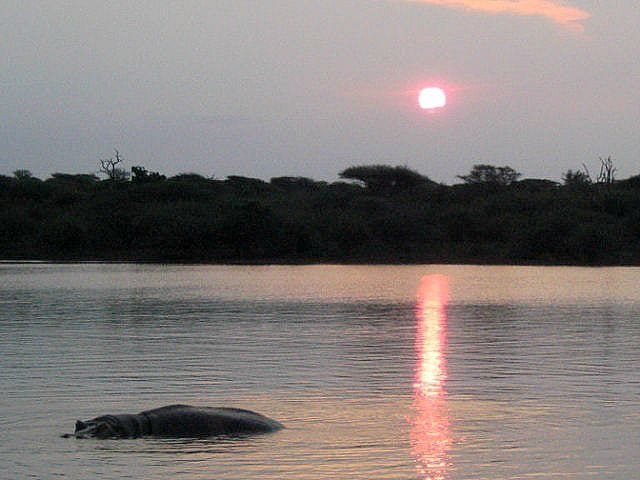
The riverbanks are often bustling with activity, from lazy hippos to mysterious crocodiles sunbathing on the water’s edge.
Within the Great Kruger area, there are several smaller game reserves, each with an open fence so animals can roam freely.
The most popular reserves are the Sabi Sands, Timbavati, Thornybush, Balule, Manyeleti, and Kapama. Most people visit Sabi Sands because it is the most accessible.
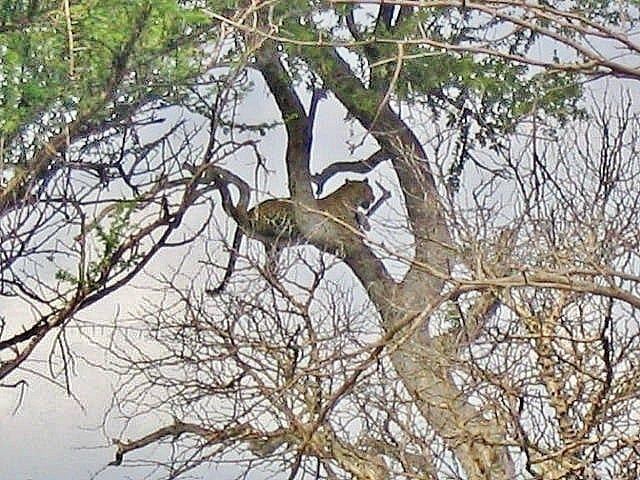
As you drive across the plains, keep your eyes on the baobab trees for leopards who love to shade in the trees.
If you’re lucky, you may spot a cheetah stalking its prey, or sleeping lions resting in the shade of trees.
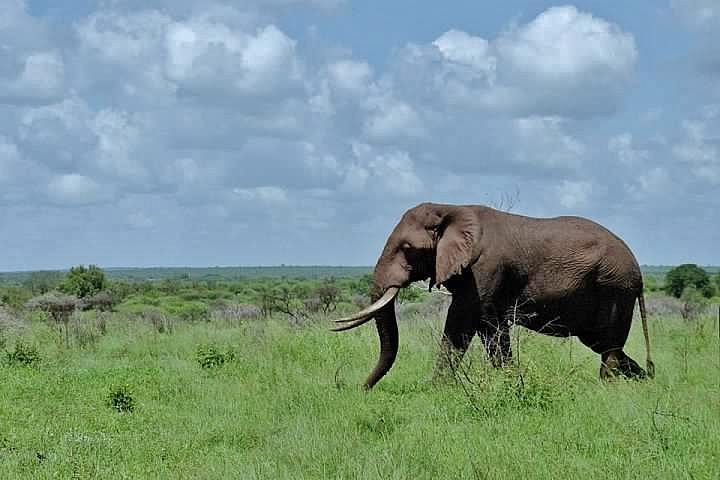
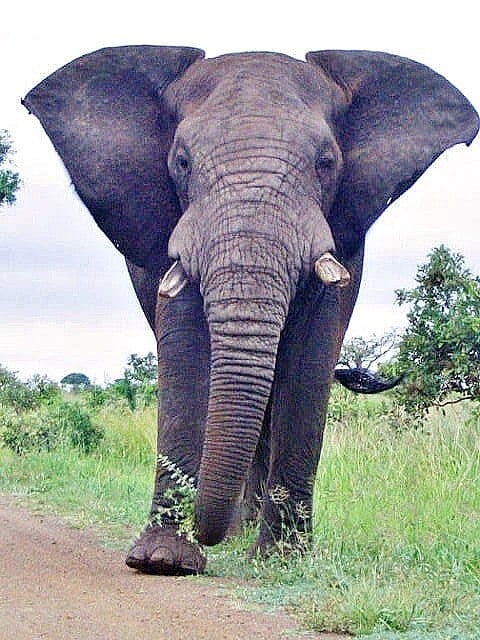
Besides seeing the big cats in the wild, we love watching the elephants and can spend hours admiring them in their family units.
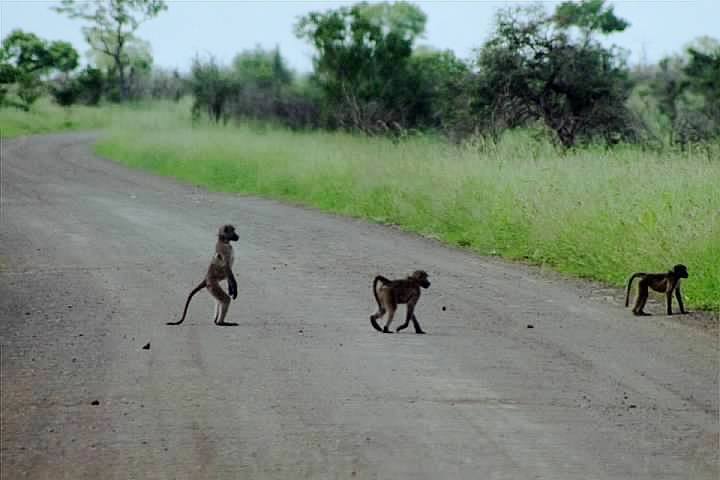
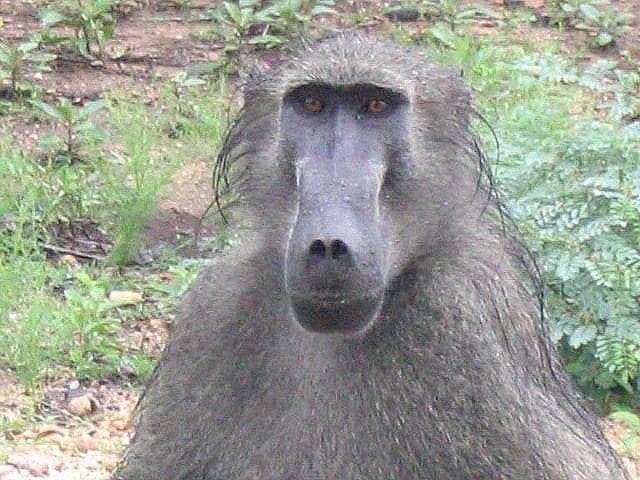
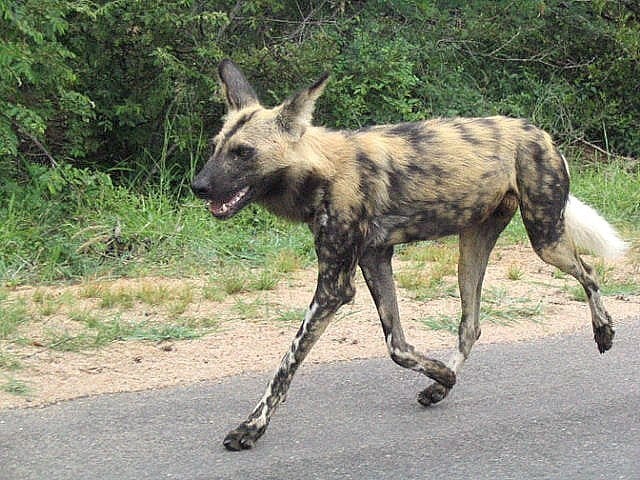
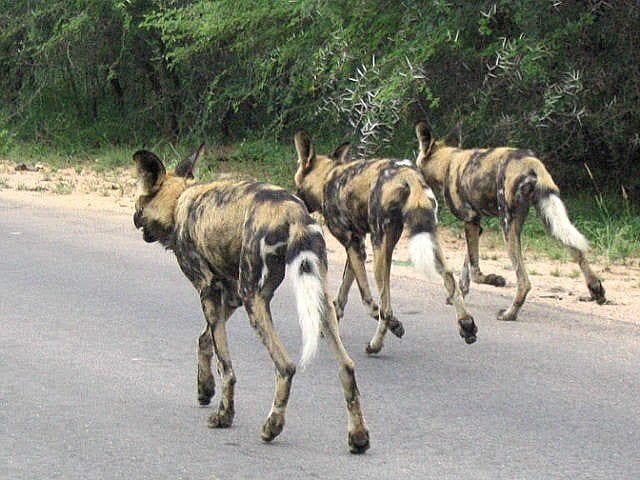
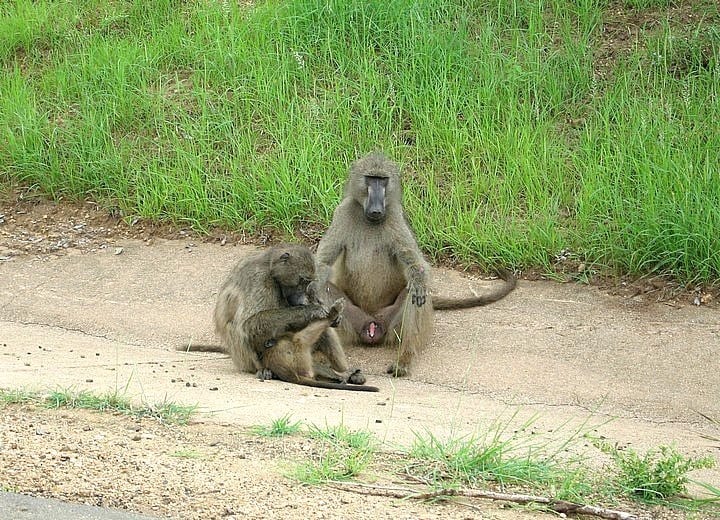
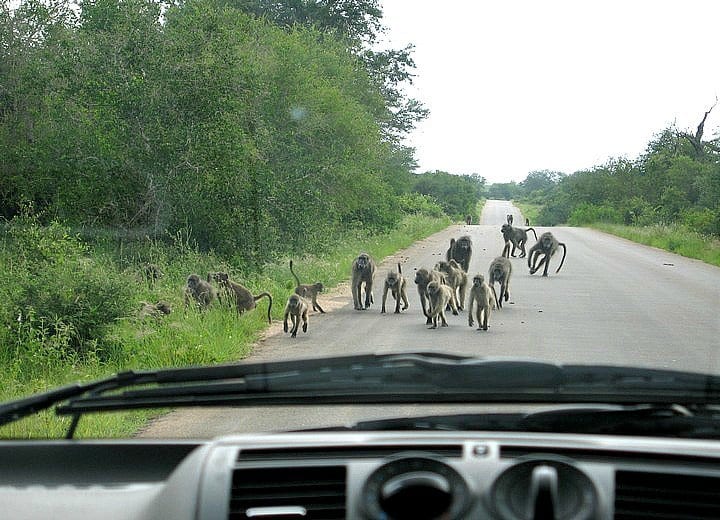
And of course, there’s the hilarious baboons and the search for the rare African wild dog and getting close, but not too close, to the hippos.
Tips for Game Driving in Kruger National Park
- Kruger is massive and it’s a good idea to choose one area to stay at, and base your drives near there. We found the Lower Sabie Sand Reserve area to be excellent for the concentration and variety of wildlife.
- Book a safari rather than drive yourself. While you can drive yourself, the vegetation in Kruger is quite long and much too high for most cars. You’ll find yourself looking out the window at grass and struggling to see over it. In a safari, you’re much higher up so you can see over the grass.
- Book a private safari. It’s worth paying a little extra to have your own private vehicle. I’m sorry, but there is nothing more annoying than being on a safari with strangers who do NOT STOP TALKING. If you’re going to pay for the experience of a safari, pay a bit more to enjoy it in quietness.
- Pack plenty of snacks and water. You will find yourself sitting in the vehicle for about 8 hours in the day, and while you do stop for lunch, you may want snacks to keep you going. Water is just a must, it gets very hot.
- Bring binoculars. You will see a lot of wildlife, but a lot of the wildlife you see will be far away or hiding in bushes, so bring something that will help you get a better view of them.
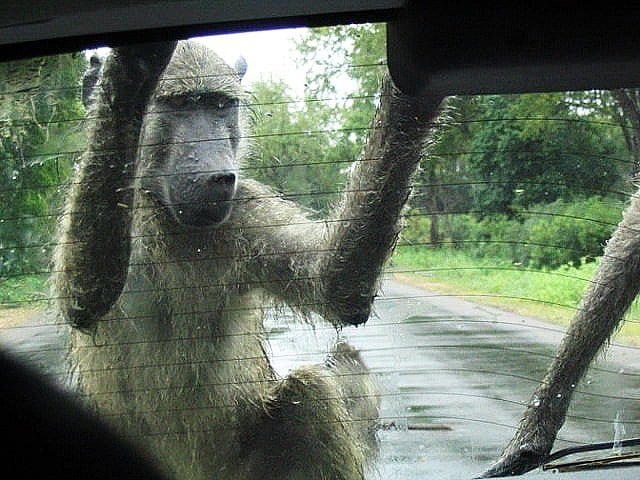
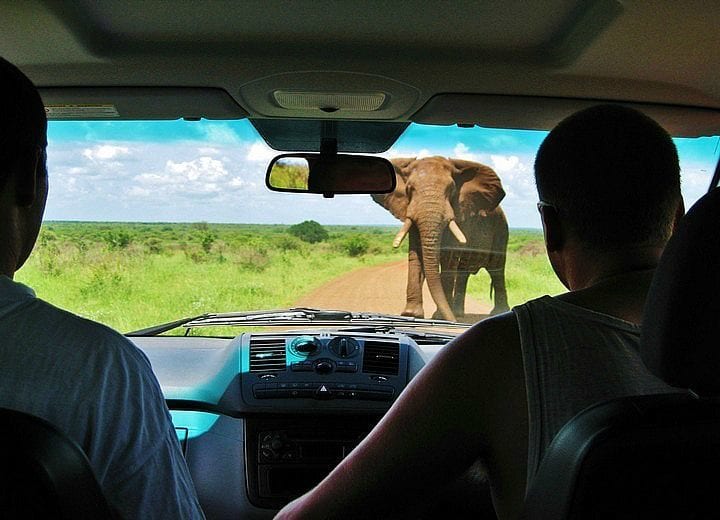
- If you do intend to self-drive, learn what to do should you encounter any stand-offs with animals. If you are faced with an elephant and worried about it charging, here are some tips for what to do.
- Plan you game drive for the dry season when the grass is short, making it easier to spot wildlife and the choice of drinking water holes for the animals will be fewer, so your chances of watching them congregate at waterholes in any given area is easier.
- Animals are most active at dusk and dawn. It is very hot in Africa, so during the day the animals are usually hibernating in the shade. Get up early before sunrise to catch the animals at play, rest during the day, and then go out again just before sundown.
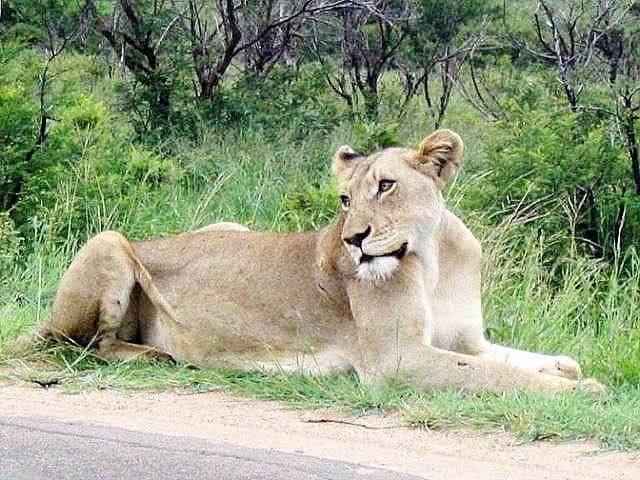
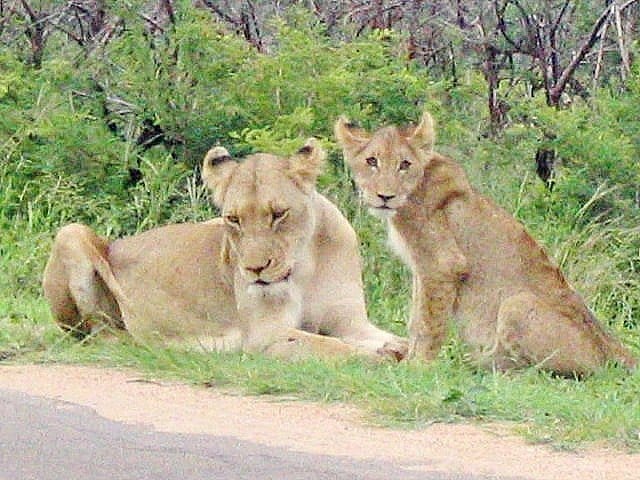
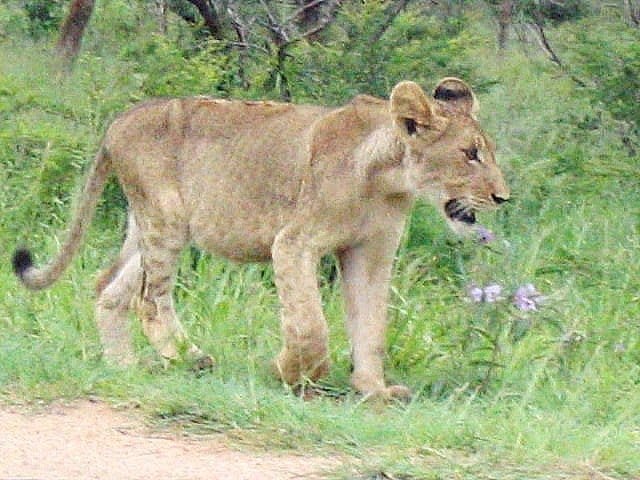
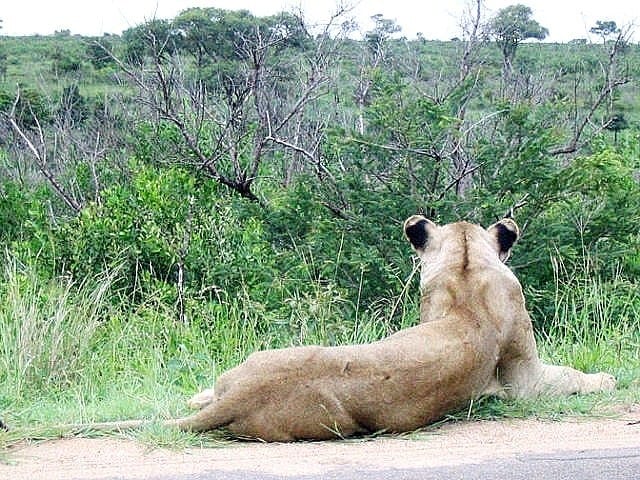
- Lions like to sleep on the road at night to soak up the day’s heat trapped in the tar. If you’re up early enough you have a much better chance of seeing them up close and personal on the road. There were several times we turned a corner to find a lioness resting on the warm tar.
- Do yourself a favour and buy a 600mm zoom lens (we didn’t and missed a lot of photo opps). Animals won’t deliberately come close for a portrait shot, and it’s not safe to get out of your car and pursue them. You’ve spent all the money, time, and energy to put yourself in a place of contact and you’ll want to have something to show for it.
- Keep a safe distance when you encounter a wild animal and when in your vehicle keep your windows rolled up at all times.
2. Camp under the stars
There’s nothing like camping out under the African stars, listening to the roars of lions in the night, and then going in search of the BIG 5 the next day.
I have fond memories of cooking a traditional South African braai as the sun goes down, and rising early with the animals as they go on the hunt for their food.
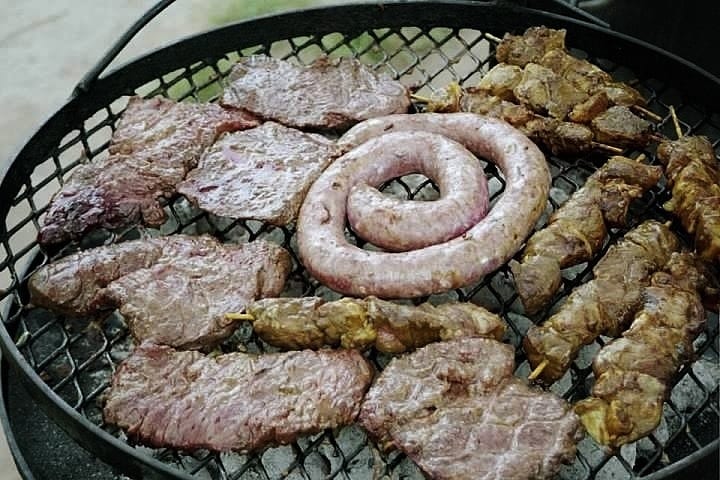
Camping is a unique way to experience the park. There are several designated campsites that provide a rustic yet comfortable camping facilities, from tent camping to cottages.
Don’t worry, the campsites are fenced so you won’t be bothered by the animals coming close to your bed.
However, the sounds of the African bush at night, with the calls of wildlife creating a symphony of natural sounds, is both exciting and nerve-wracking!
The benefit of camping in the park is you can get up early for game drives before the big tours get there.
3. Play a round of golf at Skukuza Golf Course
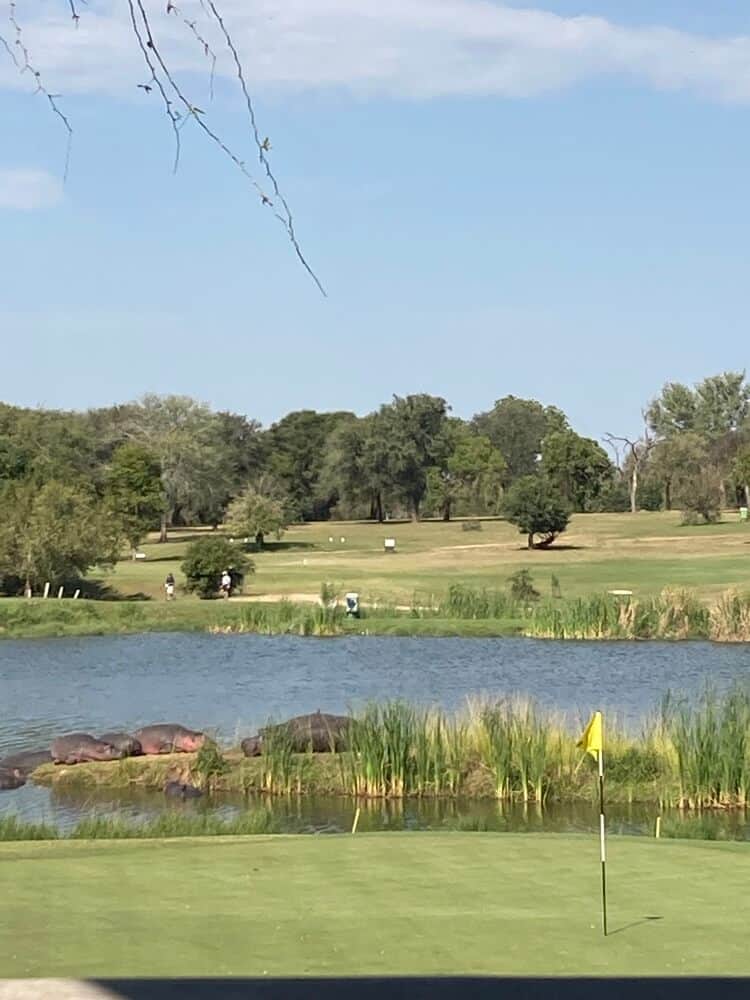
Have you ever played golf and had to hit the ball over a pile of sleeping hippos? It’s certainly a unique experience!
The park is home to a few exclusive golf courses, but the Skukuza Golf Club, which is situated near the park’s main camp, is a 9-hole course that combines the thrill of the game with the sights and sounds of the bush.
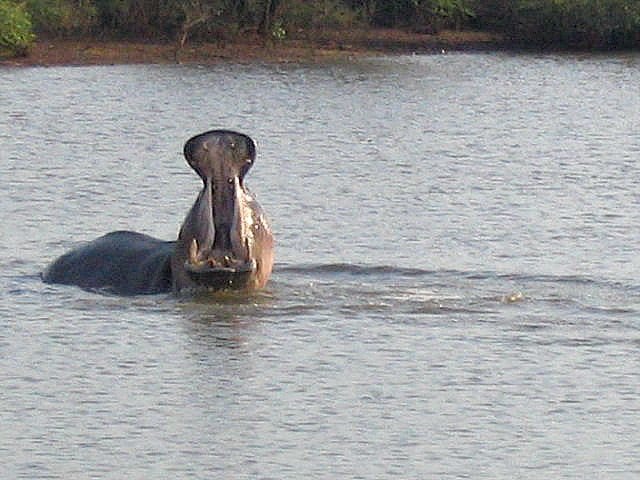
As you play, you might spot impalas, monkeys, and various bird species wandering around the course.
The presence of wildlife certainly ups the thrill level of the game!
4. Go on a walking safari
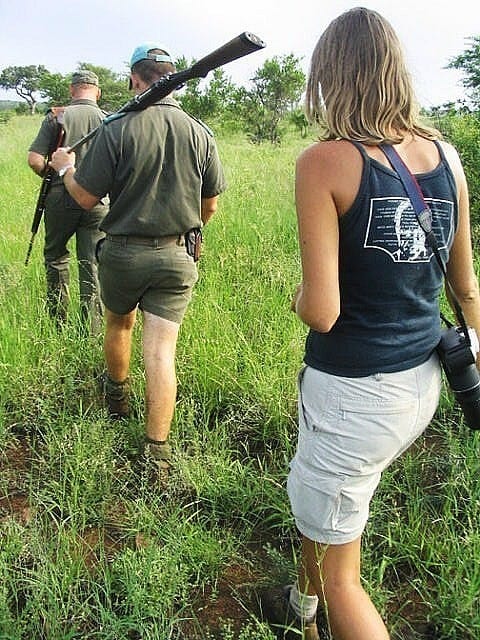
If you are a thrill seeker, then I highly recommend the Kruger walking safari.
Nothing beats walking freely around as a guest in the animal’s kingdom tracking rhino and lion and learning first hand about their habits (accompanied by armed rangers of course).
Going on a walking safari is an exhilarating and intimate way to experience the African wilderness.
Unlike traditional vehicle safaris, walking safaris allow you to get up close and personal with the environment, and walk where the animals have stood. We could even smell where lions had been not hours before us!
Don’t worry, you’re perfectly safe, you’re guided by experienced rangers with guns, and because you walk in small groups, you won’t attract the attention of predators.
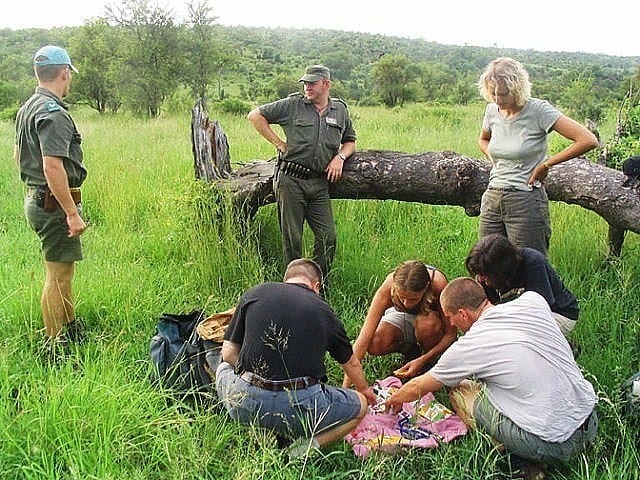
Walking safaris are a chance to observe the smaller details often missed from a vehicle, such as animal tracks, plants, small bird life, and insects.
It’s a good way to learn about the flora and fauna, and enjoy the sounds of the bush, breathe in the fresh air, and take in the stunning landscapes without feeling like you’re stuck in a washing machine.
Things to Do Near Kruger National Park
Kruger isn’t exactly close to Johannesburg or any big city in Africa, so if you’re thinking of making a road trip of it and want to see some other sites while in the region, here are some other cool places to check out.
Road Trip the Mpumalanga Panorama Route
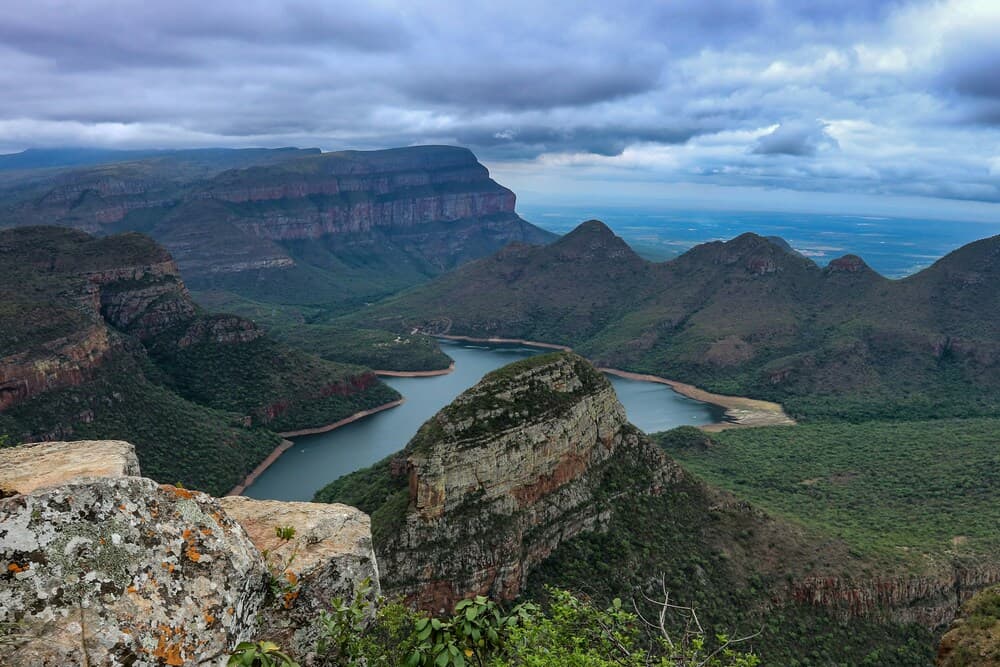
If you’re driving yourself from Johannesburg, then be sure to add on the Mpumalanga Panorama Route to your Kruger adventure. This breathtaking journey passes through some of South Africa’s most stunning landscapes.
The Mpumalanga Panorama Route is a scenic route that stretches approximately 160 kilometers from the Long Tom Pass just outside Lydenburg and ending at the Mpumalanga and Limpopo border.
A highlight of the Panorama Route is the Blyde River Canyon Nature Reserve, which is one of the largest canyons in the world.
Hike to spectacular viewpoints such as God’s Window, and see sweeping vistas of lush forests and the canyon below.
The Three Rondavels is another iconic landmark on the drive. These distinctive rock formations are said to resemble traditional African huts.

Another must-see is Bourke’s Luck Potholes, a unique geological formation where swirling waters have carved out deep, cylindrical holes in the rock.
The route also offers opportunities to explore the charming town of Graskop, known for its delightful eateries and access to numerous waterfalls, including the picturesque Lisbon Falls, Mac Mac Falls, and Berlin Falls.
A road trip along the Mpumalanga Panorama Route is an unforgettable experience, and a worthy addition to any Kruger trip.
Visit Moholoholo Wildlife Rehabilitation Centre

The Moholoholo Wildlife Rehabilitation Centre was founded in 1991 by a passionate conservationist, Brian Jones, with the aim of providing care for injured, orphaned, or poisoned wildlife.
Over the years, it has grown into a renowned facility dedicated to the rehabilitation of various species, including birds of prey, mammals, and reptiles.
Visitors get to see a variety of animals up close, including vultures, eagles, and other indigenous species, many of which are unable to be released back into the wild due to their injuries.
Visit Chimp Eden: The Jane Goodall Institute

You may have heard of Jane Goodall, the world’s leading expert on chimpanzees.
Chimp Eden is part of the Jane Goodall Institute, and is dedicated to the welfare and conservation of chimpanzees.
Located near Nelspruit, Chimp Eden is a sanctuary for chimpanzees who have suffered from abuse, illegal trade, or exploitation.
Since its opening in 2006, the sanctuary has been dedicated to education and awareness about the challenges facing chimpanzees in the wild, including habitat loss, poaching, and the illegal pet trade.
What makes Chimp Eden special is its commitment to providing a safe and natural environment for the chimpanzees, allowing them to live in social groups and engage in natural behaviors.
The sanctuary spans over 1,000 hectares of natural bushland, so the chimpanzees can explore, climb, and interact with one another in a space that closely resembles their natural habitat.
Visit Hoedspruit Endangered Species Center

The Hoedspruit Endangered Species Centre (HESC) was established in 1990, by wildlife enthusiasts and conservationists with the mission of protecting and rehabilitating endangered animals.
The center is home to a variety of endangered species, including cheetahs, African wild dogs, and various species of vultures.
HESC plays a crucial role in breeding programs aimed at increasing populations of these vulnerable animals, as well as rehabilitation efforts for injured or orphaned wildlife.
HESC is particularly known for its work with cheetahs, offering a unique experience where visitors can learn about these magnificent animals and the challenges they encounter in the wild.
Where to Stay for Kruger National Park
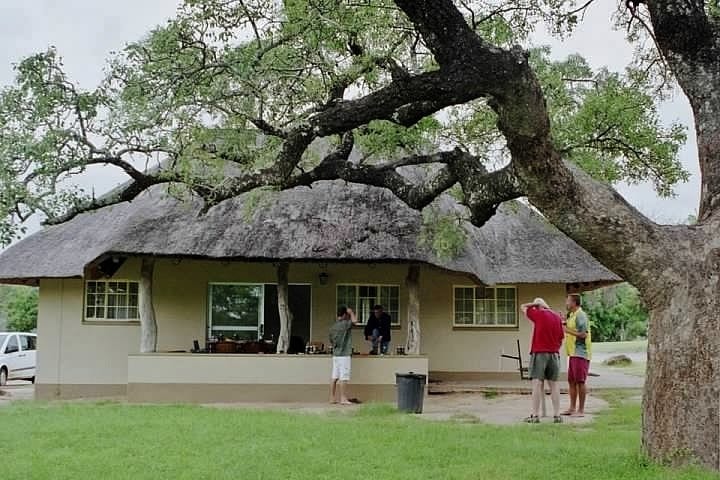
There is a range of accommodation both inside and outside the park, with varying degrees of luxury.
Since Kruger takes some effort to visit and is a bucket list for many, it would be a shame to visit and not stay within the park itself.
A popular safari lodge right in the heart of the national park is Jock Safari Lodge, which features luxury lodge accommodation in a safe, fenced in resort.
If you prefer a more rustic place to stay, consider Nkuhlu Tented Camp, where you can stay in comfortable eco tents inside a safe campground.
FAQs About Visiting Kruger National Park
How many days in Kruger is enough?
I recommend you spend at least 2 nights in Kruger NP in order to get the best possible viewing experience. You may find some of the Big 5 animals aren’t easy to spot, such as rhinos, so you’ll want to allow plenty of time to look for them.
What is the best month to visit Kruger National Park?
The winter months are the best time to visit Kruger NP (July to September) because the park is dry, meaning animals will be heading to a water source which are more scarce. It’s also a nicer temperature and you have less chance of overheating. Summer months is the rainy season.
Do you need injections for Kruger National Park?
You should be up to date on your routine vaccines such as tetanus, measles and hepatitis B. You may also want to talk to your doctor about whether it’s necessary to get hepatitis A, typhoid, rabies, and influenza shots – these are largely dependent on the duration of your trip and where else you plan to visit in Africa. It’s recommended to take anti-malaria tablets when visiting Kruger National Park, and you should wear insect repellent to prevent being bitten. However, do consult with your travel doctor first to confirm the right medicinal requirements for you.
What is not allowed in the Kruger National Park?
Don’t bring drones, motorbikes, bikes, roller skates, or skateboards.
What should I wear to Kruger National Park?
You should wear light cotton clothing that is breathable and comfortable. You should wear light tones, but don’t wear white because it will make you visible to the animals and you’ll have better viewing if you blend in.
Final Thoughts
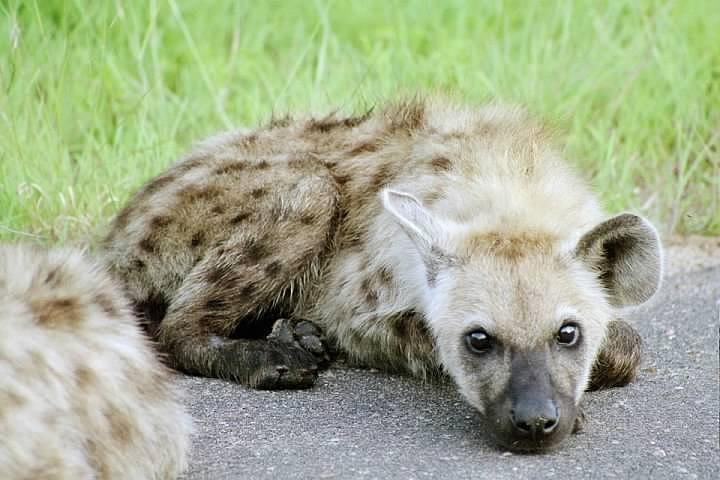
After spending months rough travelling through east Africa and visiting many African game reserves, we finally, at Kruger, saw a leopard AND the very rare African wild dog.
Of all the South African national parks, Kruger is absolutely not to be missed!
The sheer diversity of animals, the vastness of the landscape, and the unique experiences you can see there, make it 100% worth visiting.
We hope this guide helped you plan your visit to Kruger and gave you some insights into what to see and do there. Don’t forget to check here for rental car availability and rates, look at transfers to get to Kruger, or check out these multi-day Kruger Tours.
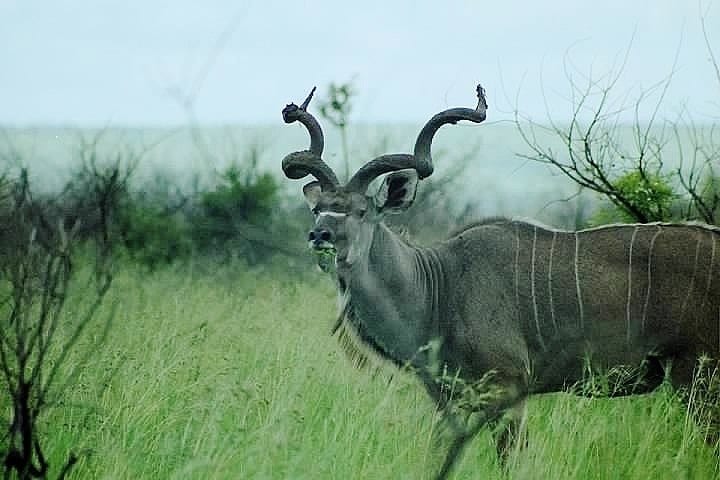
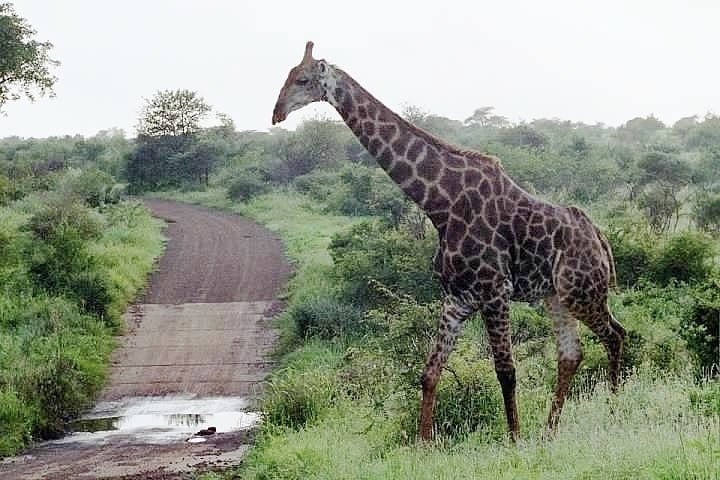
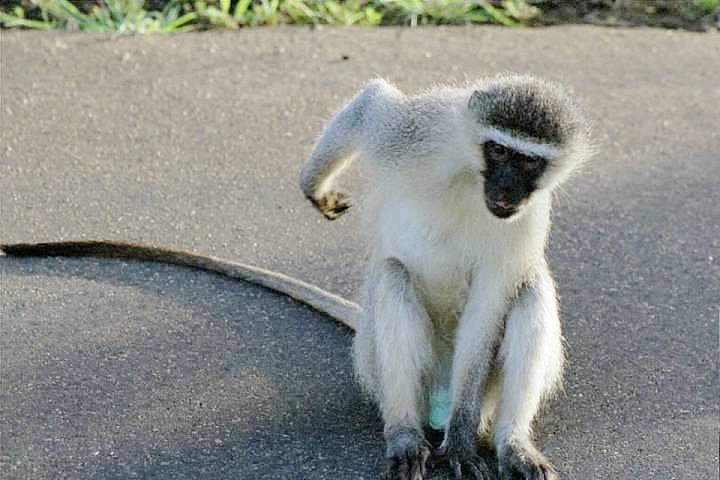
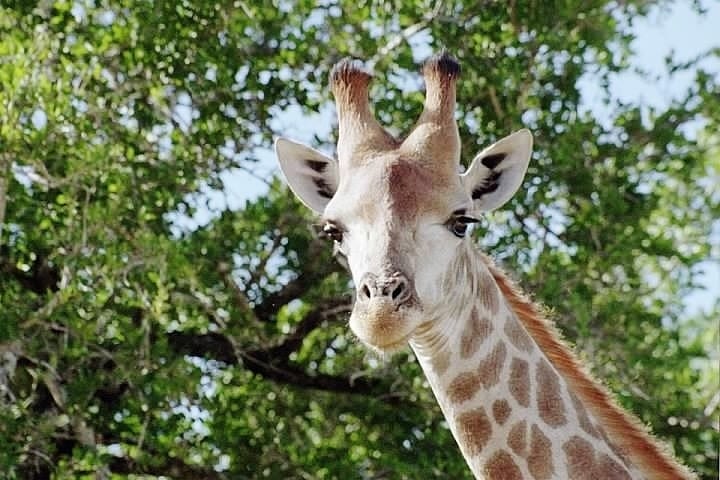
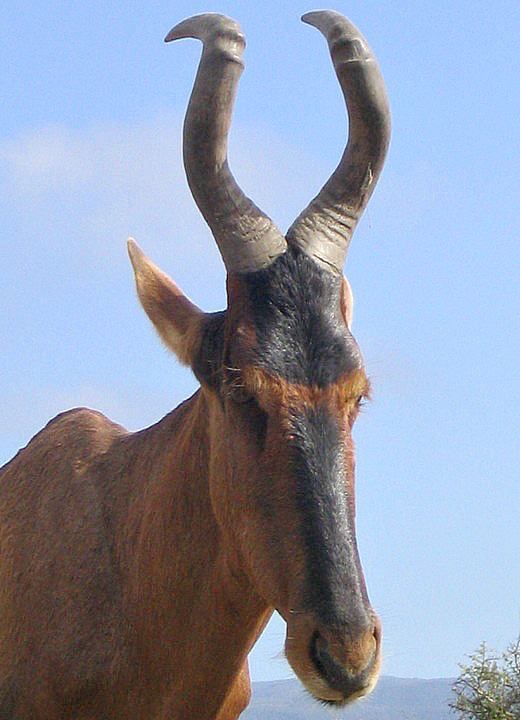
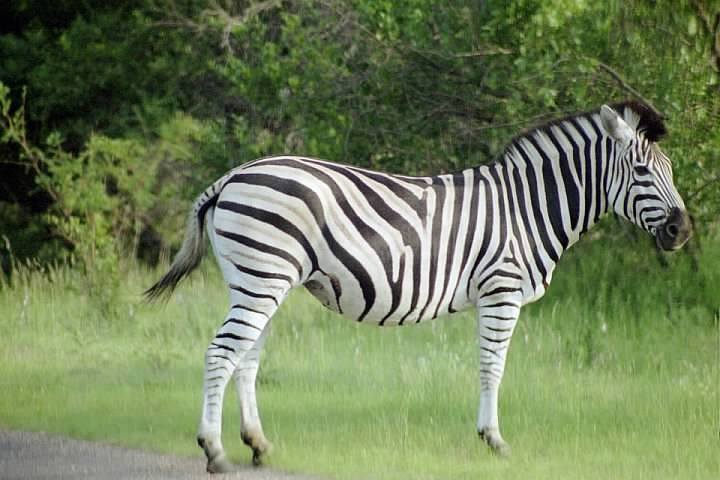
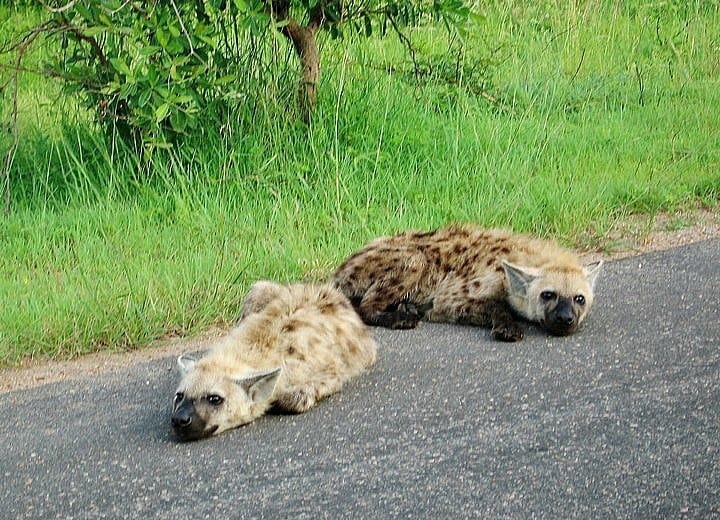
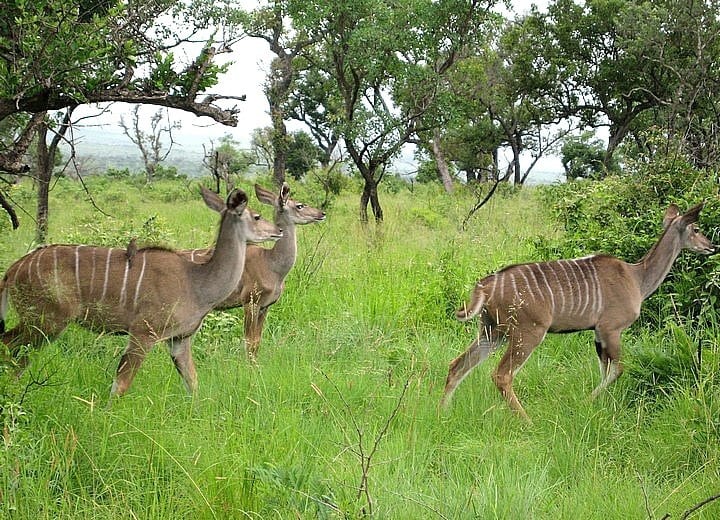
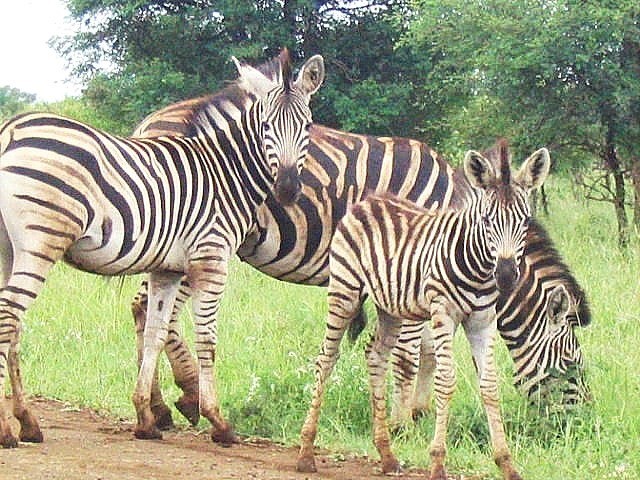
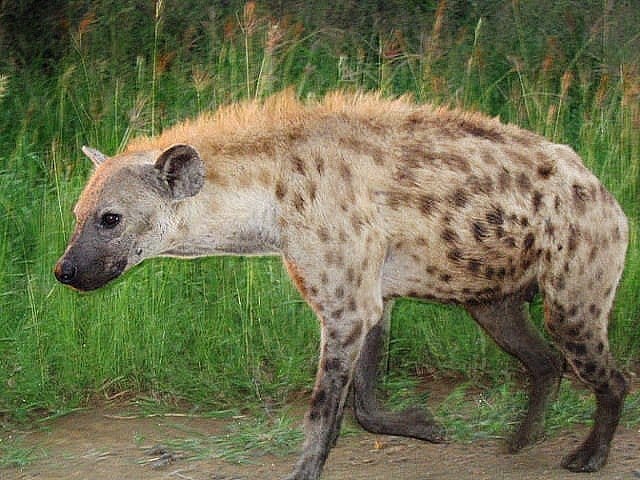
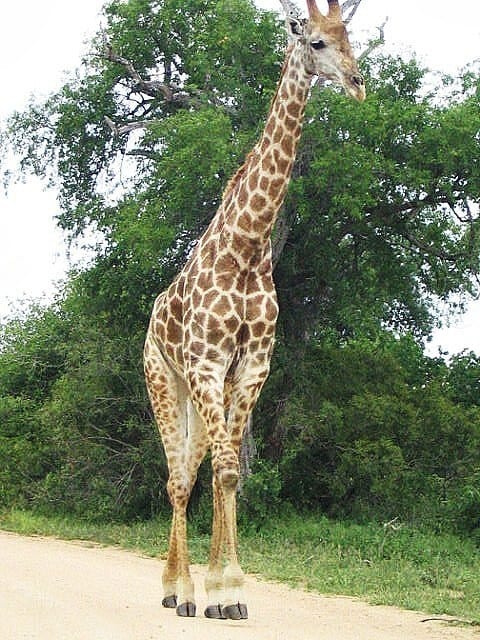
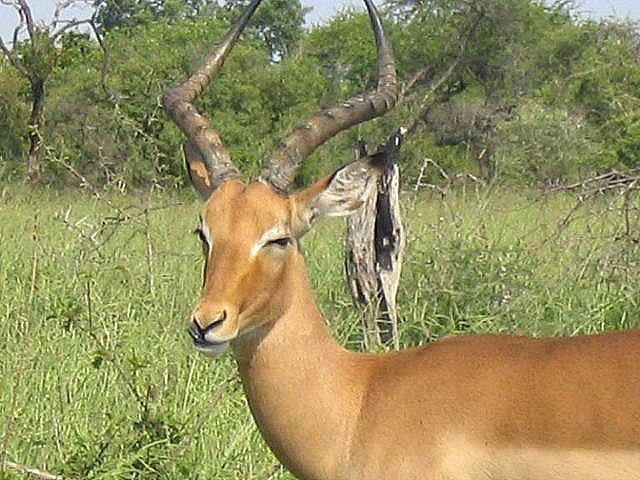
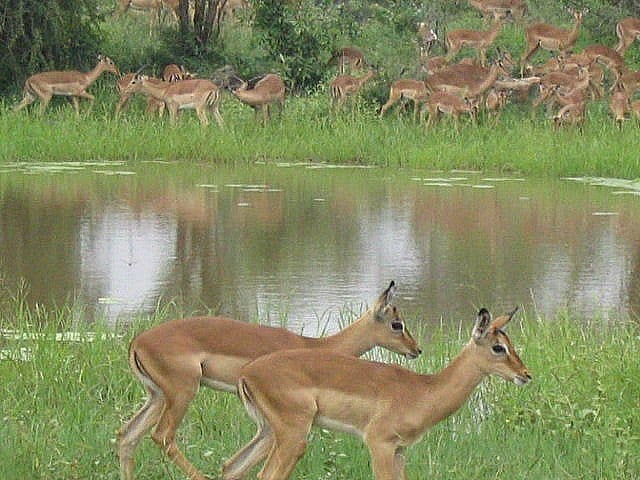
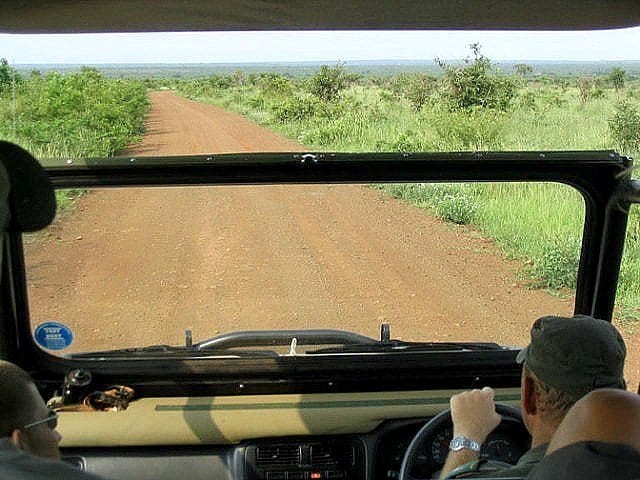
Now, enjoy some of our photos from Kruger National Park…
More Africa Travel Tips
- 13 Awe inspiring adventures to have in East and South Africa
- How to travel Africa on a budget
- Africa travel safety tips
- How to get around East and South Africa
- 7 Reasons to honeymoon in South Africa
- 4 Safari game parks in Africa not to miss
- Africa safari tips to see the best wildlife
Are you planning to visit Kruger Park? What are you most excited for? Let us know in the comments!
Love your photos. Brings back great memories for me. Yes Kruger is huge and you need to visit many times!
Thanks. We can’t get enough of Kruger. Have to take the kiddies now!!
Hi Craig,
You posted this two years ago and you have still not brought the kids!!
To make sure you bring the kids and visit soon, I mailed Caroline a video of my kids, Have a look.
I will also upload it to the blog if you let me know how.
It was taken at the Pafuri gate near Hoedspruit.
If the site is not equiped for me to upload video, you are welcome too use it as you see fit.
Speak to ya soon
Johann
Johann!! I didn’t get your video! We’ll be bringing the kids one day and you can be our guide!!
Send me your correct email address on a secure massage on facebook, I’m not sure I sent it to the right one
Yes I visited in 1995, the year we lost the World Cup Rugby! Highlights were watching the lion with it’s kill dragging it up the tree with brute force, getting charged by an elephant. We had an outdoor picnic too which for us attracted some unwanted attention from hyenas, it was a quick pack up! Overdue for another visit.
G’day Jo,
That’s awesome. We saw a kill up in the Massai Mara Game Park in Kenya. Lion vs wildebeast. Nature at it’s best 🙂
I feel guilty even admitting it, but I have a few places on my ‘to-do’ list ahead of an African Safari, but seeing pictures like this certainly moves it up my list. It’s the never-ending debate, South Africa or Kenya/Tanzania for the safari….
Absolutely beautiful photos. Brought back memories of when I was in Etosha and Chobe. I cant wait to check out Kruger one day – hopefully next year.
Will definitely be upgrading my lens as well – need more than my measly 200m! 😛 haha
Thanks. Yes definitely go visit Kruger 🙂
and of course by 200m i mean 200mm 😉
Wow, you saw so many different types of animals! This is my dream trip.
amazing pictures Craig. I still feel bad for not visiting Kruger during my stay in Johannesburg in 2008. But next time, I am definitely going.
It has been a while since you have travelled to Kruger, almost ten years. I must say that you had some great sightings. How many days did you travel? We normally go for about a week, and sometimes you are lucky and see a great number of animals, and other times you see less. It all depends on the season. It seems like you went in summer when all is beautiful and green. Seeing animals is best at the end of South Africa’s winter, but then the area is dull and brown. You guys must come back…
nice place and interesting animals
especially blue monkey 🙂
i ll try to visit
Great pictures. We went in 2010 , without a 600mm lens. It was the first time we were using a DSLR and the pictures do not do any justice to the sightings. Masai Mara is now on my list!
Here is the link to my blog….hope you like it…
http://tickingthebucketlist.blogspot.in/2014/06/kruger-national-park.html
great shots, i do love the hyena there, people tend not to fully realize how clever and social this animal is