

This post may contain affiliate links. We may receive a small commission, if you make a purchase. Read Disclosure.
From the lively Cuban bars to classic cars to the white sand beaches framed by palm trees, there is something special and unique about Cuba.
Despite being an island, many people are unaware of its size – at 42,400 square miles, it’s the eighth largest island in the world, and that can make it hard to narrow down the choices of the most beautiful cities in Cuba.
As one of the oldest Caribbean islands, Cuba entices travellers from far and wide to explore each city’s cobbled streets, uncovering its fascinating history, from Spanish colonialism to its tumultuous, revolutionary history.
The island nation, dripping in multiethnic culture, warm smiles, and unrivalled natural beauty, is not to be skipped, but where to find the most beautiful cities in Cuba? Below are our top picks
Trinidad de Cuba
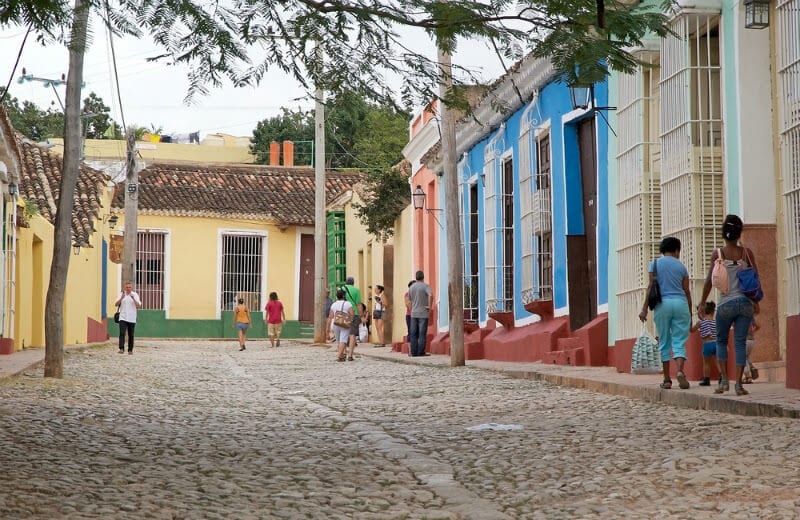
You might be expecting the capital of Havana to top this list, but allow me to advocate for Trinidad De Cuba for a moment.
As one of the most preserved colonial cities in the Caribbean, it’s a city to be admired for its historic preservation, cleanliness, and diverse culture.
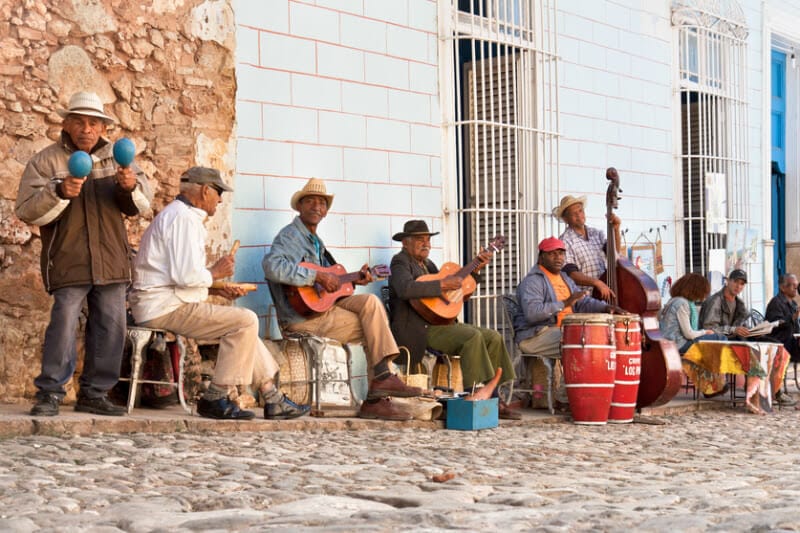
Lined with cobblestone streets, as you walk around, you feel as though you have been transported back in time. The pastel-coloured and bright coloured buildings line the streets, sounds of Rumba music fill the air, and the well-kept grounds and gardens offer a relaxing respite from the hustle and bustle.
Despite being a city, it’s relatively small, with a population of around 77,000 people. Cars are not allowed in the centre, so it’s very pedestrian friendly, though be aware of some residents commuting via horseback, a practice that’s still popular here.
All the top attractions are within walking distance too, but it’s also nice to simply meander around to the various markets, artesian shops, and art studios.
Some of the top things to do here are enjoy a meal in a colonial home restaurant with 19th century antique furniture, watch a band playing tunes on a cobblestone corner (there’s always one), or climb up the tower at the Museo Histrico Municipal for a panoramic view of the city.
Trinidad de Cuba is a UNESCO World Heritage Site and museums and art galleries are plenty. Some of the top museums are the Colonial Architecture Museum, National Museum of the Struggle Against Bandits, and Museo Romantico (a colonial palace filled with antiques).
The town center is about 20 km from the beach, but an escape from the sweaty city to Playa Ancon in a Collectivo is well worth the refreshing swim in the Caribbean Sea.
This city presents its soul at night. Plaza Mayor, the main square, comes alive with both locals and tourists coming together to watch and listen to the Salsa band or join in on the dancing.
Others take to walking the streets to enjoy the bars with their cocktails in plastic cups. The partygoers take a walk down a dirt track for about 4kms to the “Rave in the Cave.” This is a nightclub in an underground cave playing mostly Salsa and Reggaeton music.
We partied until dawn, raving in a cave. If you dare to risk walking the dirt track, in return you will get one of the best nights of your life!
Havana
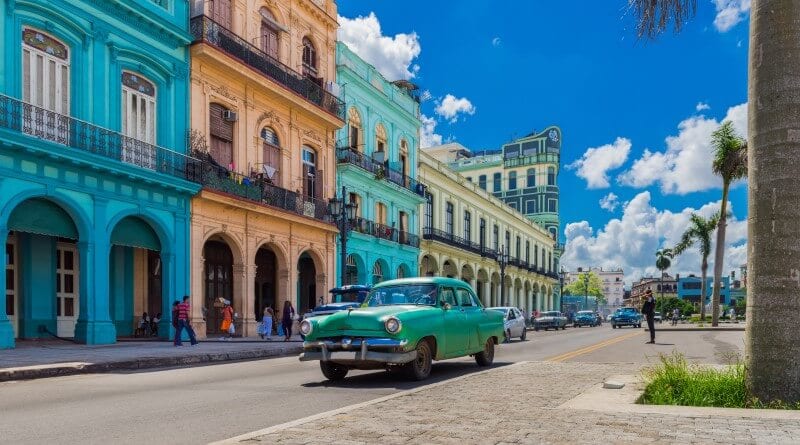
Havana is the largest city in Cuba, and most people’s first stop as this is where the main airport, José Martí international Airport (HAV), services the island.
Although a beautiful city, but be sure not to get stuck here, you could easily spend your entire vacation exploring Havana and still not see it all – or get bored!
Know as a city of many faces and places. Old Havana, or La Habana Vieja in Spanish, which was declared a UNESCO World Heritage Site in 1982, is where most people spend their time. It’s famous for its eclectic architecture, history, and laid-back culture.
Walk the streets in La Habana Vieja and be drawn in by the beauty of the preserved Colonial architecture and structures, whilst the run down, derelict buildings dotted in between also draw you in for their mysterious feel and photographic appeal.
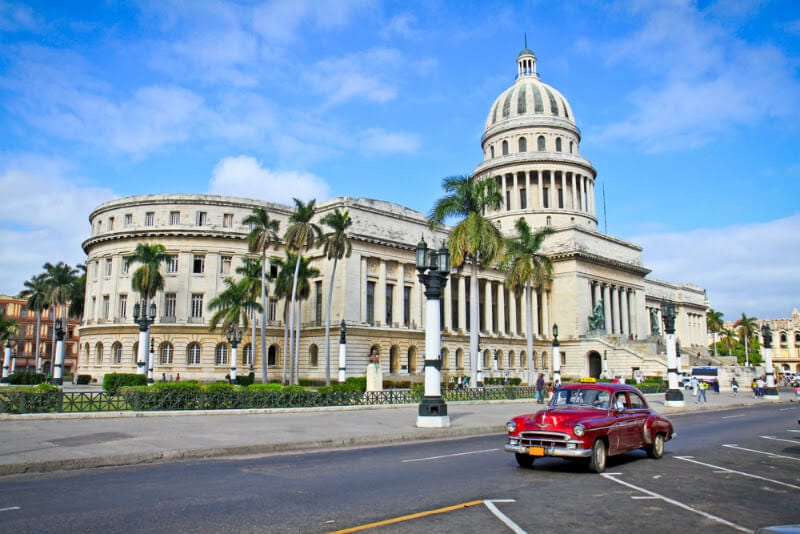
Some of the most popular things to do in Havana are taking a tour of the Museo de la Revolucion to gain an appreciation for Cuban history and culture, walking along the Malecon – the seawall right along the coast, admiring the architecture of the National Capitol of Cuba, and visiting the Castle of the Three Kings of Morro.
The days are charming and care-free, but Havana has spectacular nightlife. Stop at Hotel Nacional for a sunset drink with sea views, or for more sizzling nightlife action, the basement discotheque at El Café Cantante is the place to bump and grind!
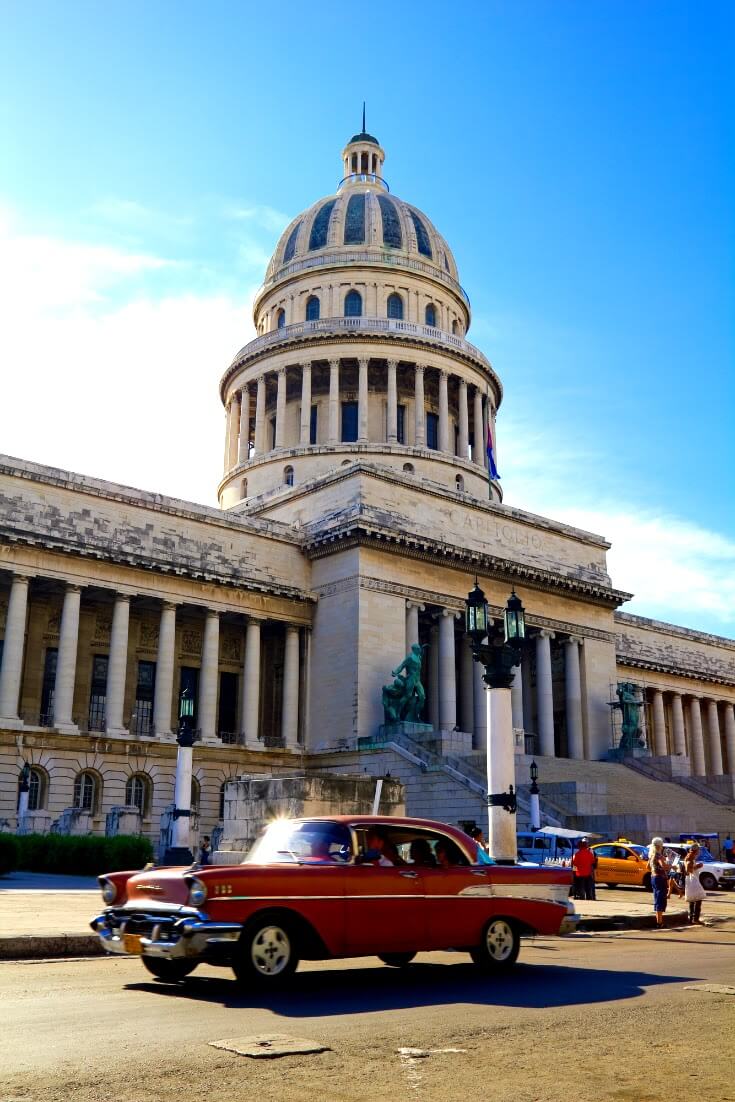
If you want to step back in time for old-fashioned flair, El Floridita is a beautiful historic hotel with great live music and dancing.
Havana will ignite your fire and give you an unforgettable experience. Be sure to get in a salsa dance lesson, take a trip to the cigar factory, and a ride in a vintage car!
Baracoa
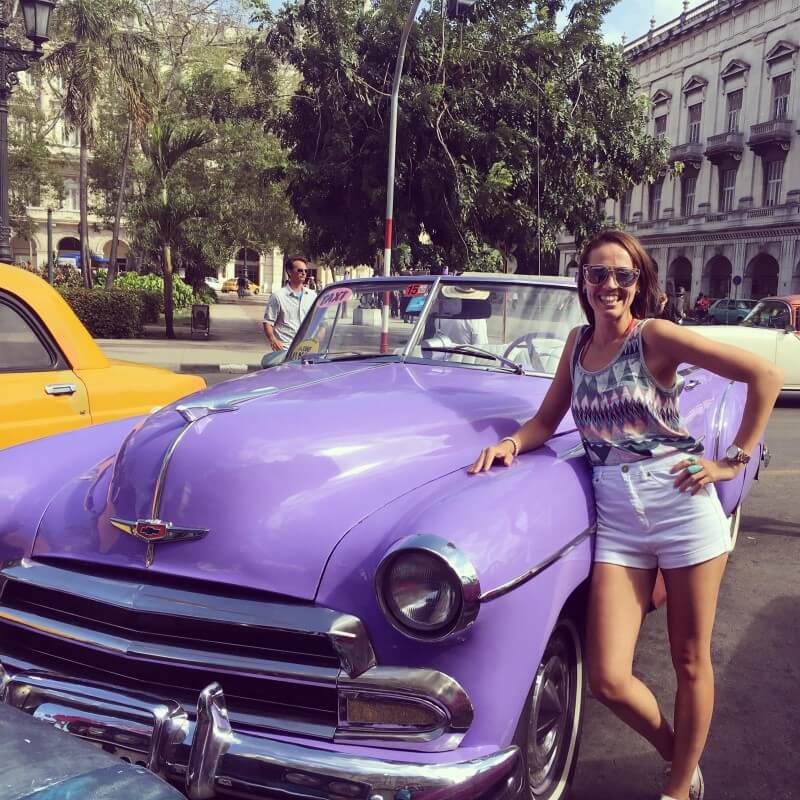
Baracoa is a hidden gem in Cuba. Isolated from the rest of the country in the Guantanamo Province, the isolation has kept Baracoa authentic and untouched.
It’s small, relaxing, and a lot quieter than the other cities in Cuba. It offers a place to chill by the beach, or go hiking in the mountainous surrounds and tropical rainforests. You soon become intimate with the locals – seeing the same faces everywhere you go.
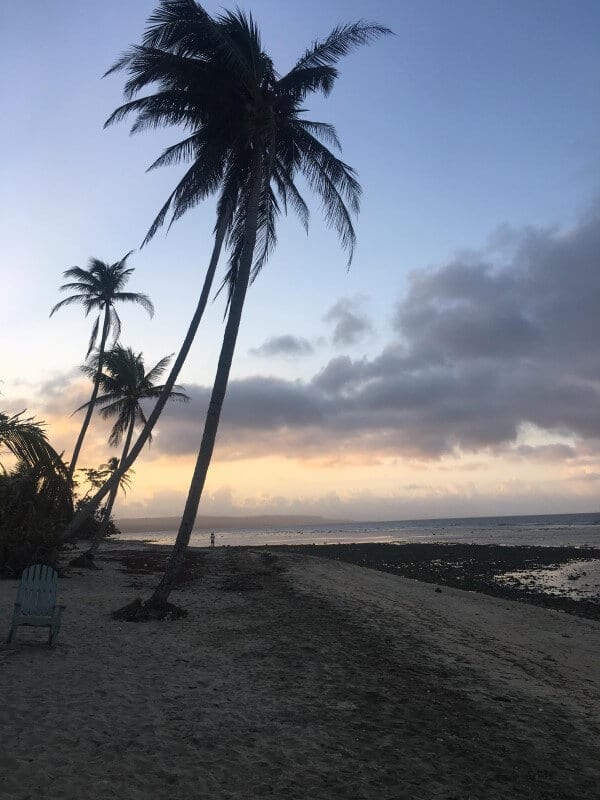
Known as the “First City” for being the first capital of Cuba, founded in the early 16th century by Explorer Diego Velazquez, it has retained much of its colonial architecture. Sadly in September 2017, Hurricane Irma swept through and left a trail of destruction to homes and buildings, and many of the buildings remain closed for repairs still in 2025 – Museo Municipal being one of them.
Take a visit to El Yunque, a mountain overlooking the city where you can hike and explore the lush green environment near my favourite beach in Cuba, Playa Maguana.
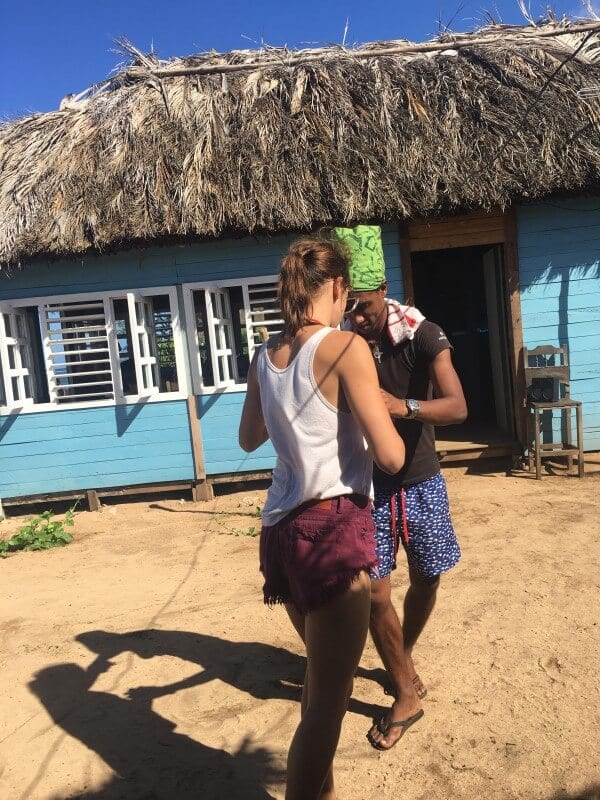
Have a mojito in a coconut on a beach chair and even dance salsa with the chef during lunch service! Nowhere else but Cuba!
Another highlight not to miss is the Cacao Plantation. Cacao was one of the early agricultural pursuits in Baracoa and the city is dripping in chocolate. It’s on sale everywhere and there are many different versions of it.
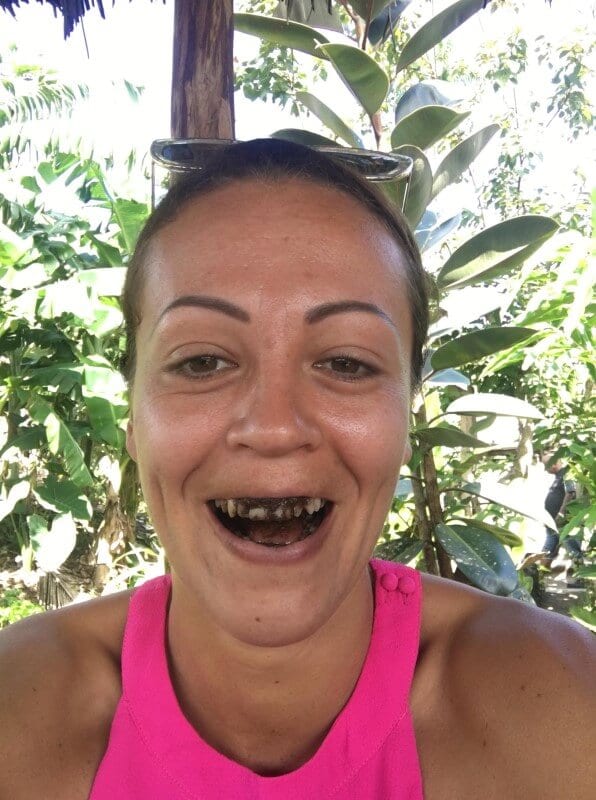
A tour of the Rancho Toa plantation offers visitors a step-by-step view into how the local farmer makes the chocolate from the cacao beans, which are grown from fruit trees, to the bar.
You can then taste a cup of Chorote, the local chocolate drink made from ground cacao and locally made coconut milk, at the end. Rumbumba is the daring version of Chorote, the difference being the addition of local rum!
Santiago de Cuba
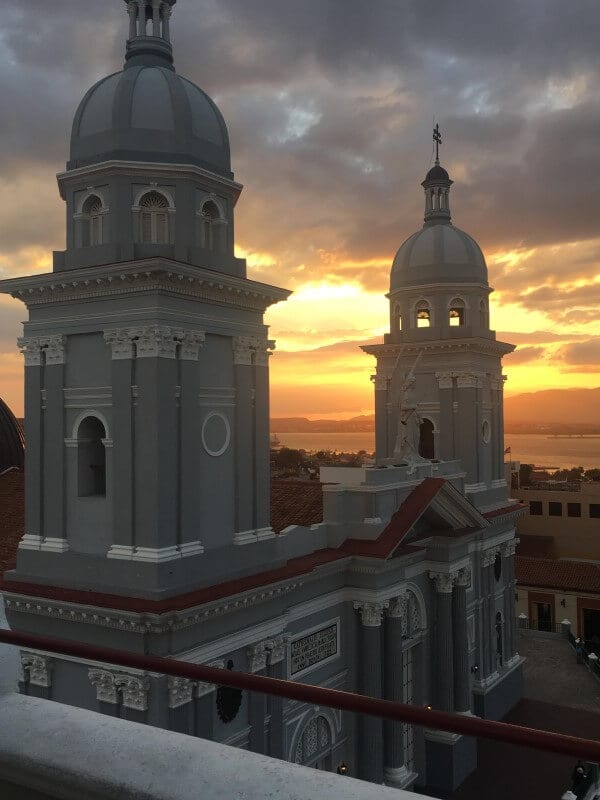
The second largest city in Cuba is Santiago de Cuba. The main square, Parque Cespedes, is where the architecture is beautiful and all the action happens.
The best spot to be in all of Santiago is sitting above the square at the rooftop bar of Hotel Casa Granda looking at a stone angel on top of the cathedral across the street with the sun setting through the harbor and mountains behind.
As one of the major cities in Cuba, Santiago has a rich heritage of music and dance and has a rivalry with Havana over which scene is best. They are both vibrant cities in cultural and musical life, so it is hard to compare.
Even though Santiago is the birthplace of Salsa, Havana still gets my vote.
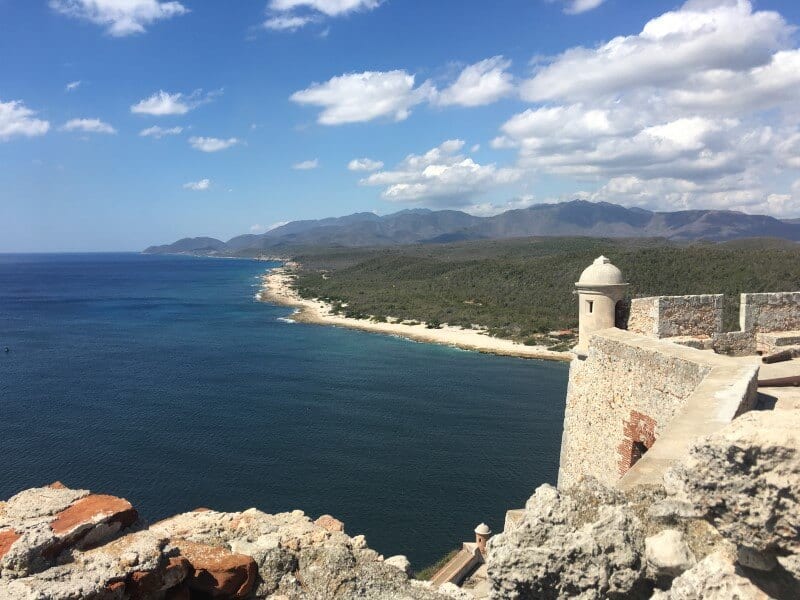
Take a trip to the coastline and explore the Castillo de San Pedro de la Roca, a 17th century fortress overlooking the bay. The history is fascinating with breathtaking scenery and offers a cool breeze away from the scorching hot city.
Cienfuegos
Cienfuegos became a trading place for sugar cane, tobacco, and coffee when the French founded it. The French Influence is why it has a unique feel and a lot of wealth.
Known as La Perla del Sur, or the Pearl of the South, it has a relaxed and breezy vibe that sets it apart from other cities.
The city center is Pueblo Nuevo, where you can explore the history museums, dine at an outdoor cafe, or purchase some local hand made goods from the markets.
Here, the Casa Particulares (guesthouses) are quite a few notches above the rest in Cuba. Our casa had French provincial décor and a newly renovated bathroom with marble! It was actually quite a shock to experience this unusual sort of wealth in Cuba.
Matanzas
Matanzas has many nicknames; Sleeping Beauty, The Cuban Venice, or the City of Bridges.
If you’ve ever been to Venice, you do get an feel of Venetian flare when you visit Matanzas. Not only because it has canals, but because it has attracted poets, writers, and creatives, just like Venice.

Founded in 1693, Matanzas is known for being a hub for sugar production and trade, which attracted merchants from all over to earn their riches.
The colonial architecture from this period still remains, the best examples being the Sauto Theater and the San Severino Castle.
As well as being beautiful in rich, wealthy architecture, the city sits on the Bay of Matanzas, which means idyllic beaches are not far away.

Some of the top things to do in the city are visit Cuevas de Bellamar, a scenic cave, or explore the ruins of San Severino Castle Museum Slave Route.
Matanzas is less touristy than other Cuban cities, so you get a much more authentic experience. At night, the city comes alive with its famous Afro-Cuban culture. The bars are filled with live rumba music and salsa dancing.
San Juan de los Remedios

Remedios is so small, it could be mistaken for a town.
It’s known for being the oldest Spanish settlement in the former Las Villas province, although now it’s part of the province of Villa Clara.
It’s not somewhere you would spend a lot of time, it’s more of a day trip city from Santa Clara, but it’s worth the effort.
It’s known for its well-preserved colonial architecture, particularly the church, Iglesia San Juan Bautista de Remedios, which has a richly decorated interior.
The city was founded in the early 16th century and has retained much of its historic charm. However, the cobblestone streets are now more of a dusty concrete, and many of the colorful houses are in disarray – which I think adds to its beauty. It’s as though nature is reclaiming it.
Remedios is also famous for Parrandas, a lively festival held every December, featuring elaborate floats, music, and fireworks.
Camaguey

Camaguey is another one of the less trodden destinations in Cuba, though that doesn’t mean it should be avoided.
Camagüey is one of the seven original settlements founded by the Spanish in Cuba, which is why its historic center is a UNESCO World Heritage site.
The city is a labyrinthine of narrow, winding streets and cobbled plazas. It was designed this way to confuse potential invaders, but now it makes the city unique and charming – and beautiful.
Like the other cities on this list, the architecture is impressive. Some of the key landmarks not to miss are the churches, especially the Catedral de Nuestra Señora de la Candelaria, and the Iglesia de San Francisco. Be sure to check out the Teatro Principal, a grand theater.
Another thing that Camagüey is known for are its cowboys (vaqueros), and you can watch them rounding up cattle on the Rancho King Touristic Farm.
Ciego de Avila

While Ciego de Ávila may not be as widely recognized for its beauty compared to the other cities on this list, but to me it’s still beautiful.
The reason for this is because it’s a reasonably new city, founded in the mid-19th century.
However, it’s not just the city that brings you here, it’s also the gateway to some of Cuba’s most impressive natural wonders, including Laguna de la Leche, the largest natural lake in Cuba, and Guamá Natural Park.
Explore the city’s green parks and plazas, including the José Martí Park, a central gathering point, or check out The Museum of Decorative Arts or The Tobacco Factory.
Like Remedios, this city is more of a day trip.
Sancti Spíritus

Sancti Spiritus is a beautifully preserved colonial city. Founded in 1514, it’s one of the oldest cities in Cuba and it still has the same cobblestone streets and colorful colonial architecture you would find in this period.
A highlight of the city is the iconic Yayabo Bridge, a national monument dating back to the 19th century.
The city’s historic center is a designated National Monument, and is full of historic buildings such as Iglesia Parroquial Mayor, one of Cuba’s oldest churches.
Sancti Spíritus offers a more than just pretty buildings though. It’s less bustling than some of the larger cities, and has a slower pace of life, but this just adds to the charm.
Spend you days exploring the city’s hidden courtyards, take part in artisan workshops, or people watch in the Plaza Mayor.
Take a day trip to the nearby Valle de los Ingenios, a UNESCO World Heritage site, to learn about the history of sugar production in Cuba.
Tours in Cuba
More Cuba Travel Tips
Need more inspiration for visiting Cuba? Here are other helpful guides…
- Things to know before you visit Cuba
- 4 day Cuba itinerary: explore beyond Havana
- Exciting places to visit in Cuba (& 1 to avoid)
Pin To Save On Pinterest
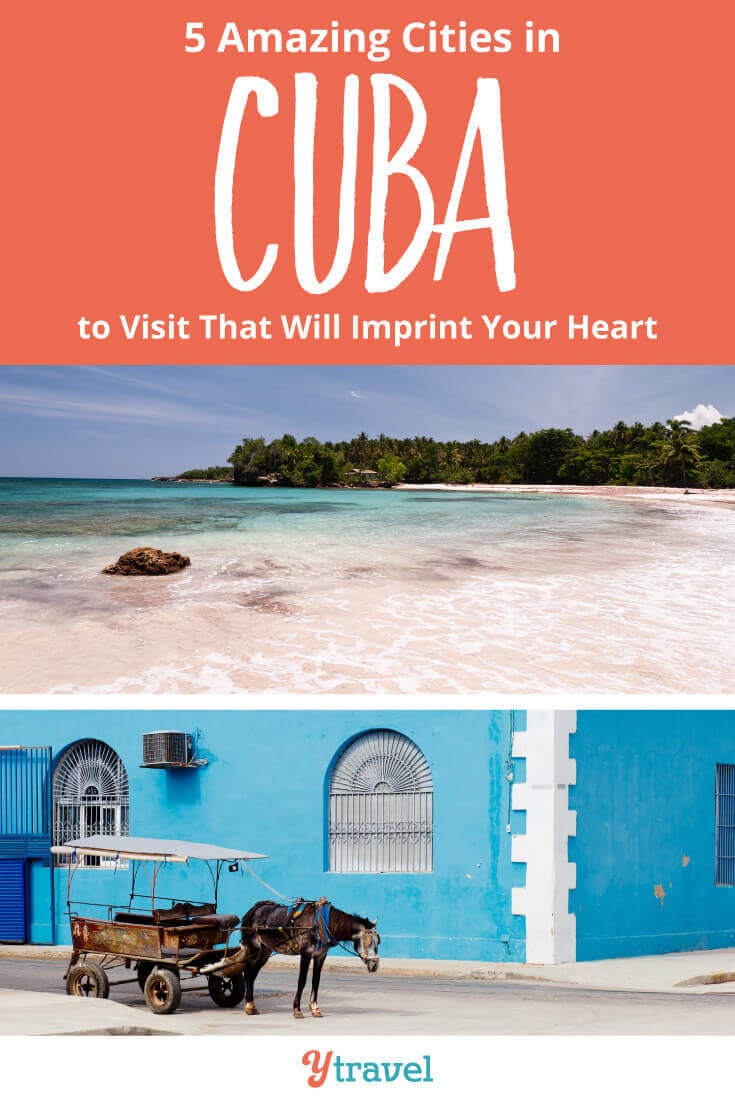
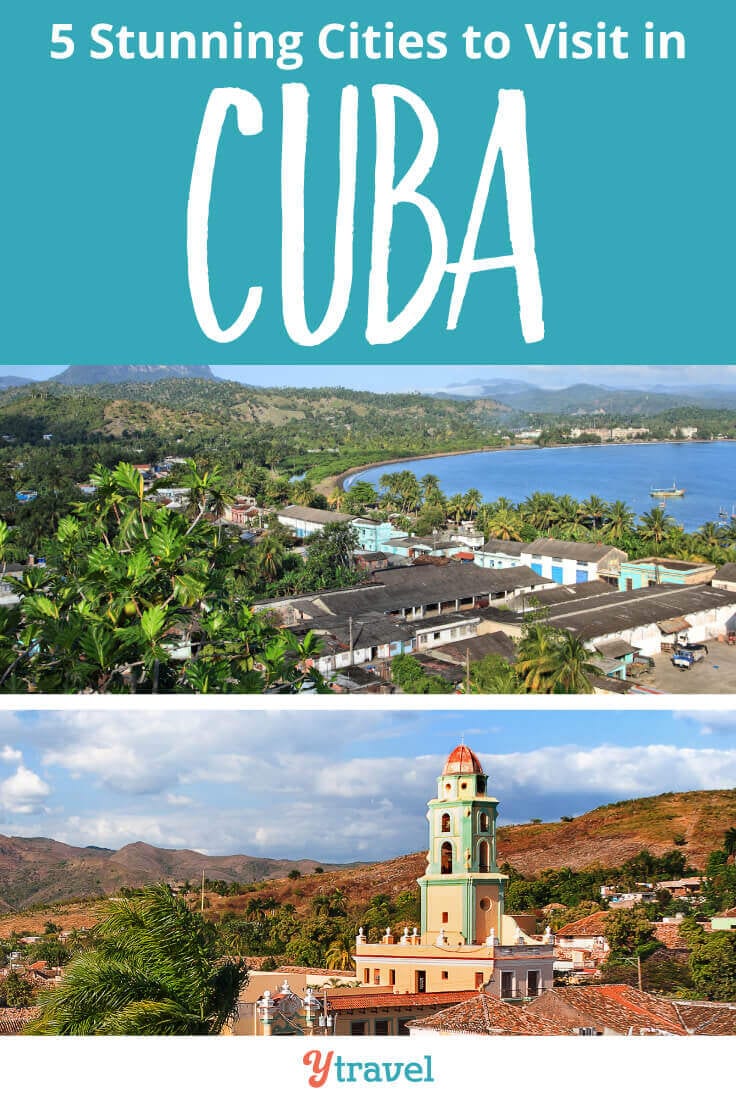
What cities in Cuba would you like to visit? Share in the comments.
We only made it to Havana and Viñales, but Cuba was by far one of our favorite countries! It’s surprisingly easy to get to for Americans too!
IT sounds amazing!! My sister loved it
Cuba has been on my list for a long time and I can’t believe I haven’t been there yet! I’ll admit that Havana was really the only city I knew about – and it looks awesome! But it also looks like there is so much more to see in Cuba. Awesome post!
https://teaspoonofadventure.com/
Yes. It is still on my list as well. Hoping to get there some time soon
Havana is a must but it is much more to see beyond the Cuban Capital.
These are excellent tips.
I also would like to add the city of Remedios. It is very small charming and authentiec town.
Thanks for the Cuban city tip. Remedios sounds lovely
Hey Jenny, thank you so much for sharing these amazing places with us. Havana and Trinidad De Cuba are on my travel priority list now. Cuba seems to be an amazing place with lots of things to do. I would love to explore both the culture and nightlife of Cuba.
Oh wow, It’s a very interesting guide about Cuba and these photos are incredible!
Would love to visit Baracoa and visit the Cacao Plantation as well! Awesome list!