

This post may contain affiliate links. We may receive a small commission, if you make a purchase. Read Disclosure.
You might be wondering if a week is enough time to visit Jordan, but I don’t think I’ve ever experienced so many BIG attractions and highlights in such a short period of time before.
As a small country, 7 days in Jordan is plenty of time to see the main sites and learn about its culture and history.
From the ancient monument of Petra to the mystic wadi desert landscapes to the spiritual pilgrimage sites, this 7 day itinerary of Jordan will take you to the main attractions and leave you with lasting memories.
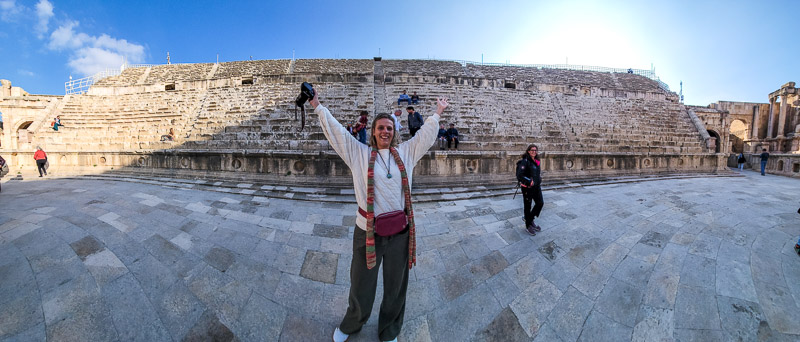
Disclaimer: I visited Jordan on the Jordan Escape tour by Globus on a paid campaign to experience this unique and affordable style of off-season travel. However, all thoughts, ideas and opinions in this guide are my own.
The Ultimate 7-Day Jordan Itinerary
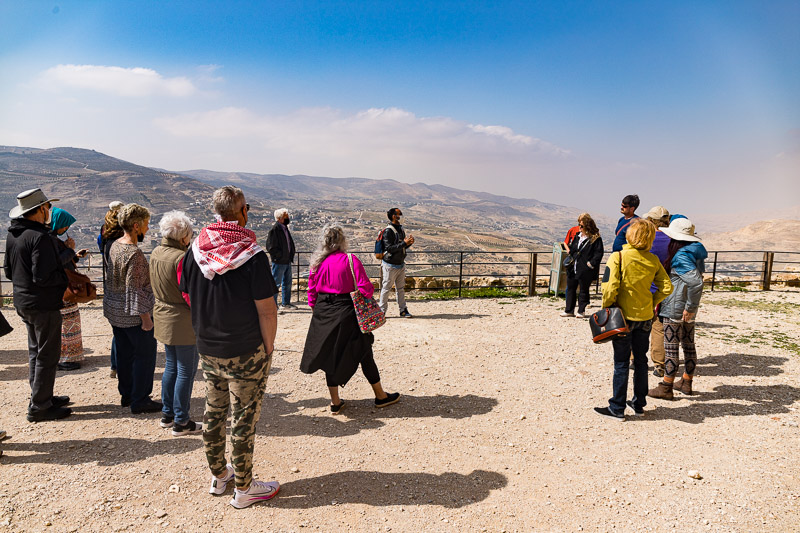
I visited Jordan on a group tour, but you don’t have to travel Jordan with a tour and you can recreate this 7-day itinerary by yourself.
In order to make the most of your seven days in Jordan, you will need to have access to a car.
All roads in Jordan are paved and well maintained, except of course in the Wadi Rum desert. However, you can park your car at the visitor center there and get a Jeep tour. So you will be fine hiring a standard small car for your trip.
This itinerary begins and ends in Amman, the capital, as it’s where most people fly into. You can pick up a hire car from Queen Alia International Airport and begin exploring from there.
Day 1-2: Amman
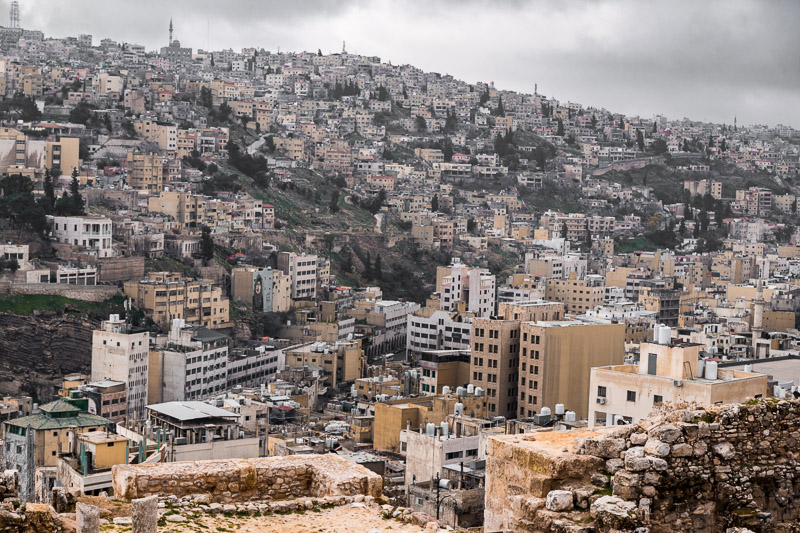
With a population of 4.5 million, the capital, Amman is Jordan’s largest city. It is one of the world’s oldest continuously inhabited cities with a history spanning nine millennia!
Amman is known as the City of Seven Hills, in reference to its history of Roman rule. (Rome which was also founded on seven hills). However, with Amman’s growth over the years, the city now sprawls across over twenty hills.
There are so many great things to do in Amman. You’ll discover a fascinating mix of old and new neighborhoods made up of crumbling Roman ruins, limestone desert buildings, and modern skyscrapers.
Not to mention the gigantic white and black Starbucks built into the side of the hill I saw on my drive in from the airport. NOOOOOOO! Make Them STOP!
Amman is the kind of city I could get lost in, stopping to recalibrate in beautiful, LOCAL coffee shops, Like Rumi Café below.
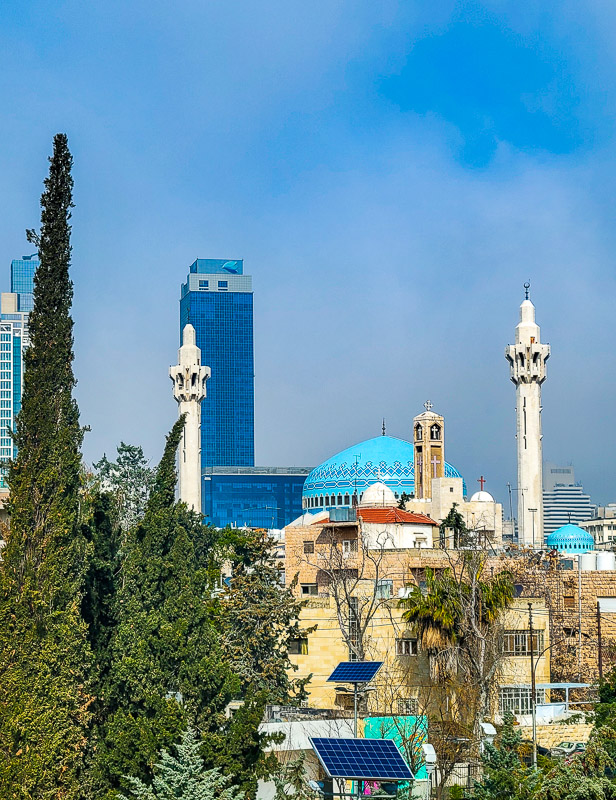
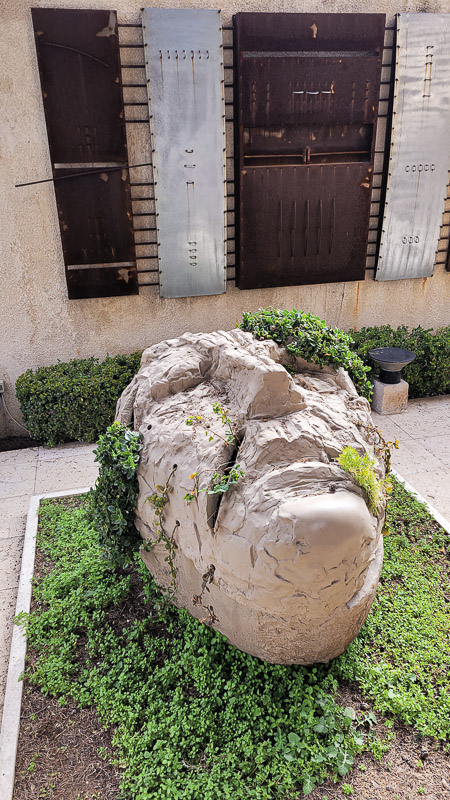
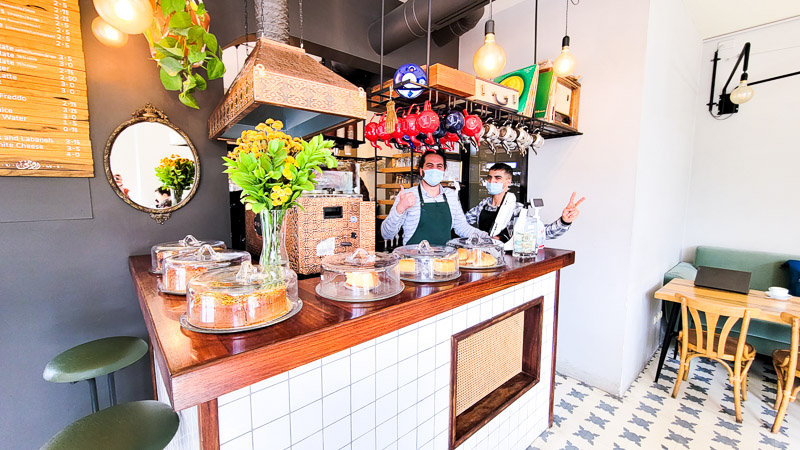
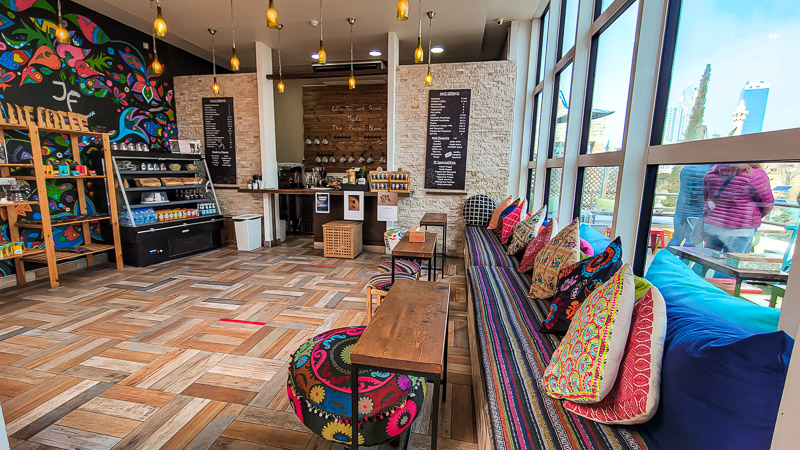
The two unmissable attractions in Amman (or nearby) are the Amman Citadel and Jerash, both ancient Greco Roman cities.
I recommend arriving in Amman for your two at least a day earlier so you get two full days. Not only does that give you a buffer in case of flight delays, but it will give you extra time to explore Jordan’s Capital city.
Stop 1: Citadel Hill
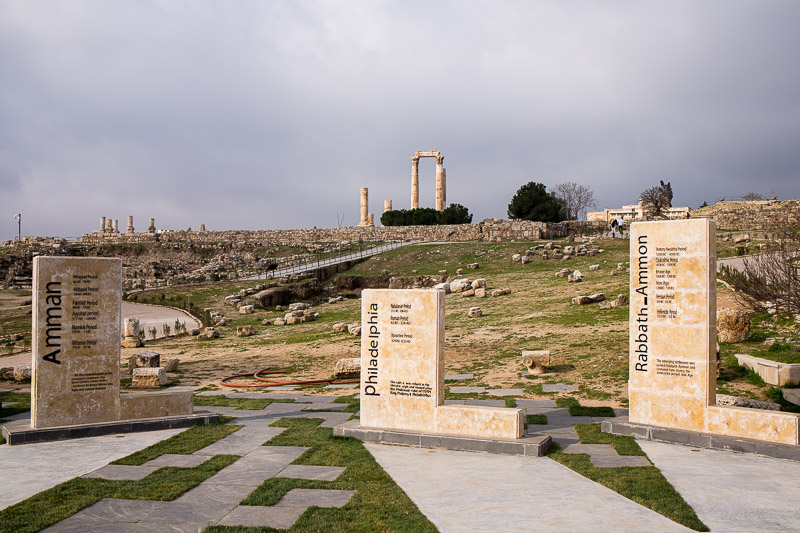
The Citadel sits on the highest hill (Jabal al-Qal’a) in Amman and is the ancient site of Rabbath-Ammon, the original name of Amman.
A 1,700m long wall surrounded Citadel Hill, fortifying what is considered among the world’s oldest continuously inhabited places.
The Temple of Hercules is the Citadel’s main attraction. It not only dominates the skyline as soon as you walk through the Citadel gates, but can be seen from various parts of the city. (see more in this Reel)
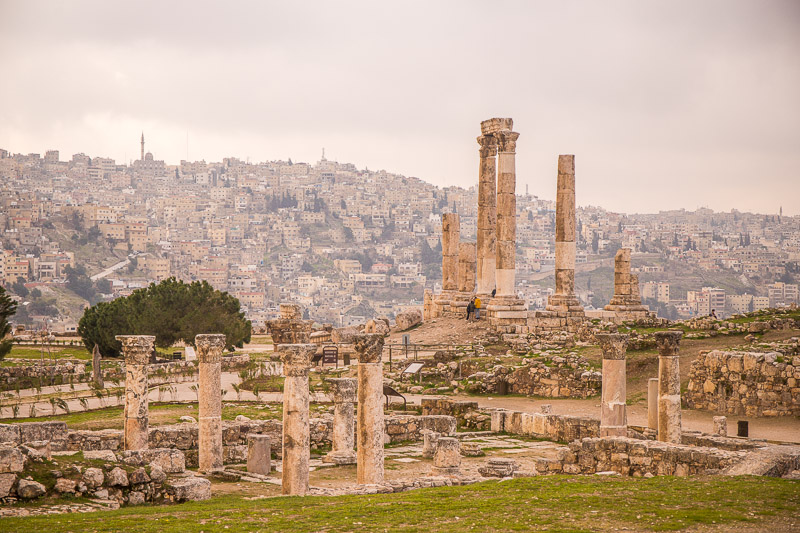
The temple was built during Roman occupation and the reign of Emperor Marcus Aurelius.
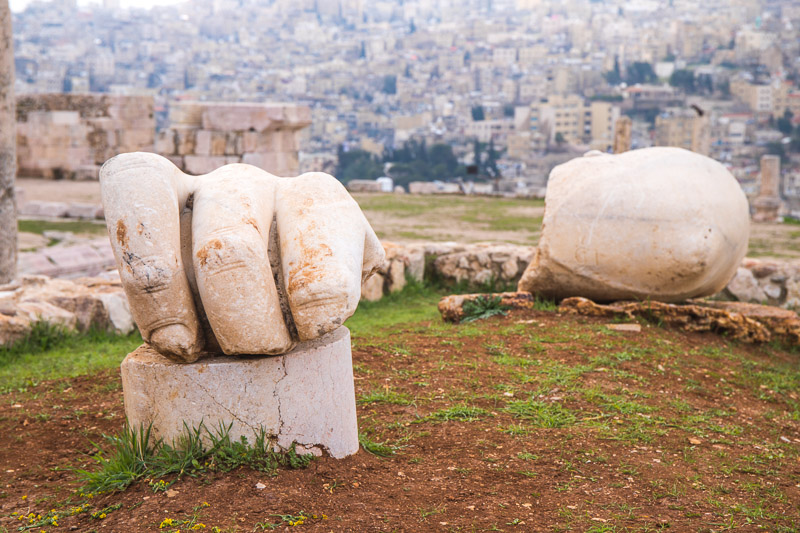
At the foot of the temple columns lies the remains of what they believe was an enormous Statue of Hercules that collapsed during an earthquake.
The size of the remaining three fingers crawling on the hill and fragments of his elbow give you a sense of how gigantic the statue was.
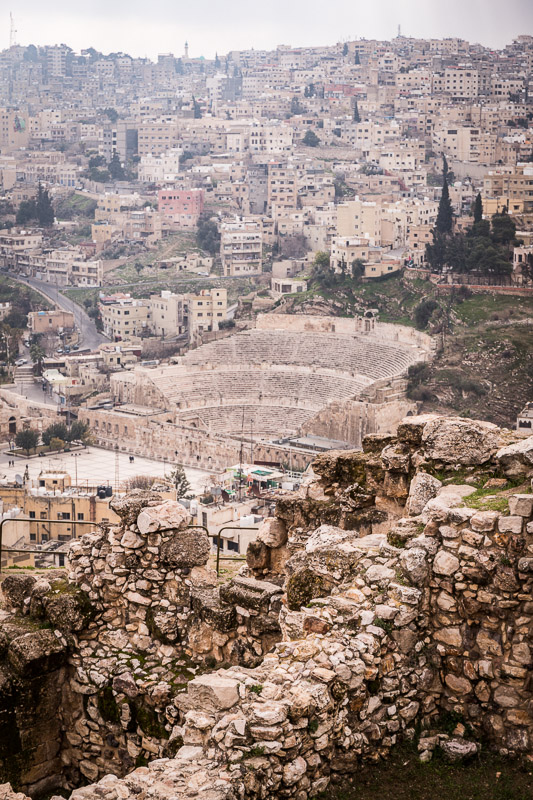
From the Temple of Hercules, you can look down upon the Roman Theater, which was built at the same time and accommodated up to 6,000 spectators.
The views from Citadel hill of Amman are fantastic.
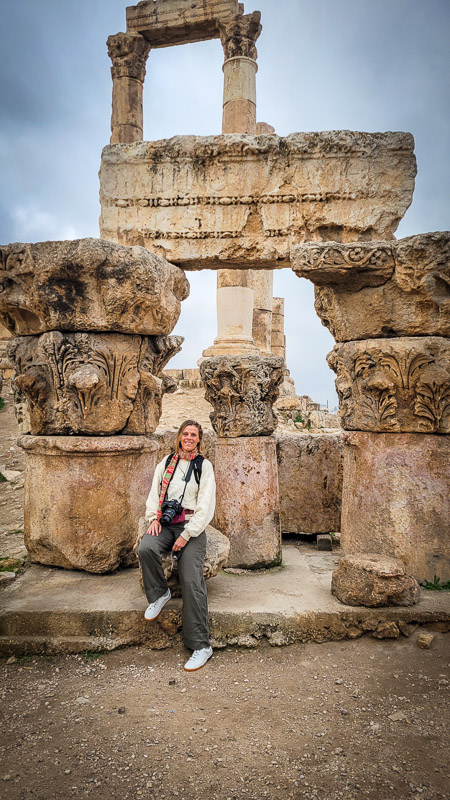
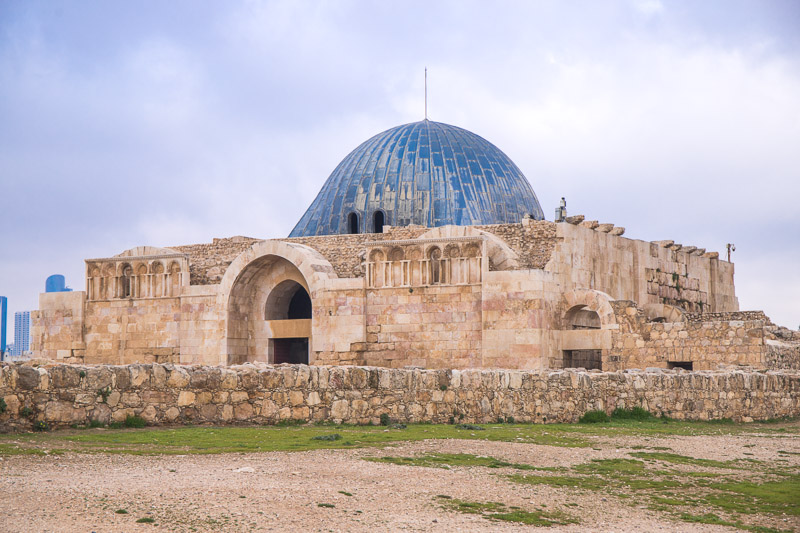
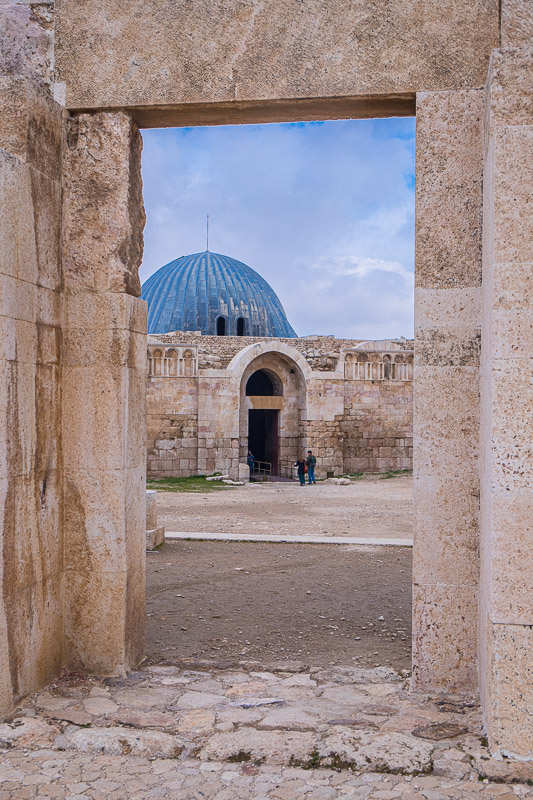
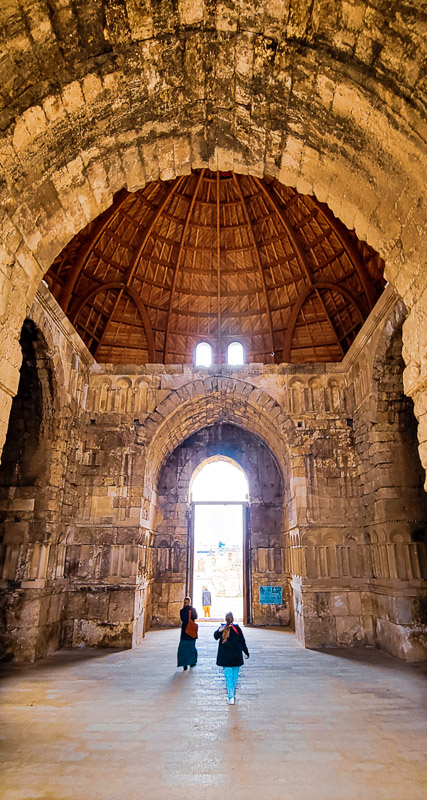
Make sure you walk behind the small museum, so you don’t miss the crumbling remains of what once was the Umayyad Palace, believed to be built by the Umayyad Arabs around AD 720.
I wish I had more time to explore this area.
I only really got to see the blue-domed audience hall designed to impress visitors to the Royal Palace. It’s in the shape of a cross that mirrors the Byzantine church it was built over.
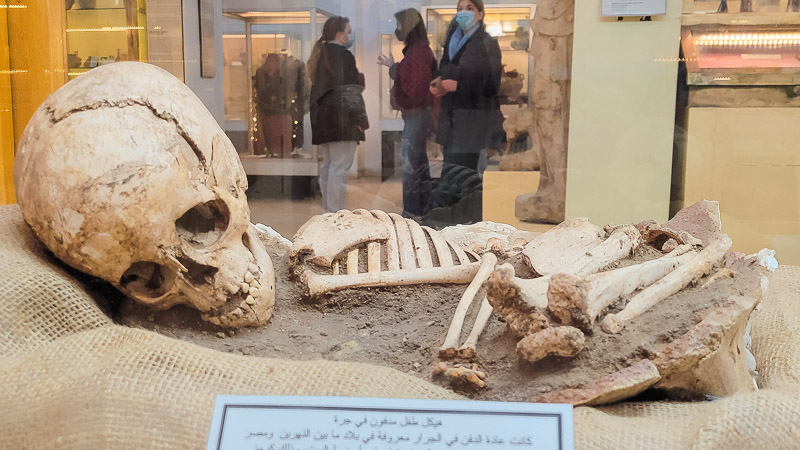
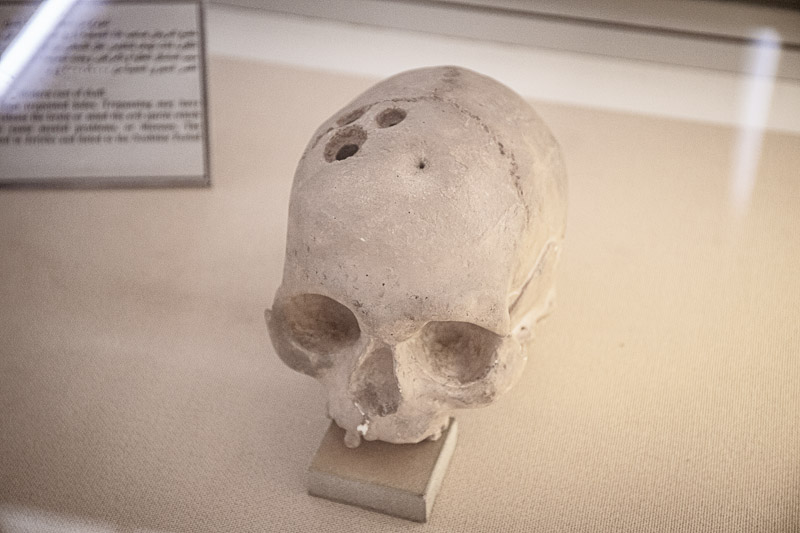
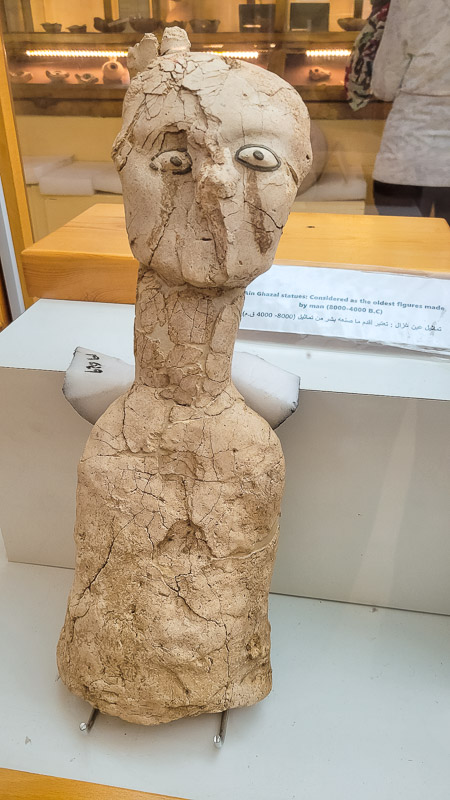
If you have time, stop into the Jordan Archaeological Museum to see excavated artifacts, including one of the oldest figures made by man (8,000 – 4,000 BC), a skull with holes drilled in to release negative spirits, and the gigantic jars that were actually coffins for children.
Stop 2: Downtown Amman: Wasat Al-Balad
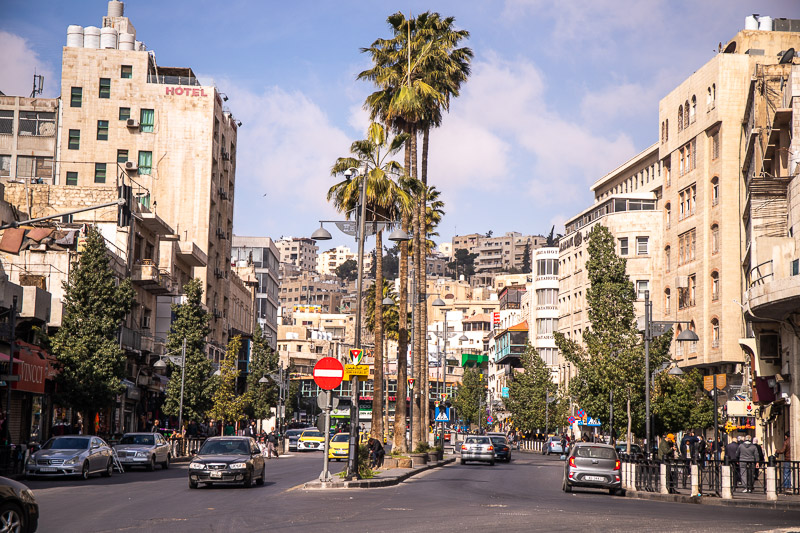
At the bottom of Citadel Hill is Wasat Al-Balad, the the oldest part of Amman.
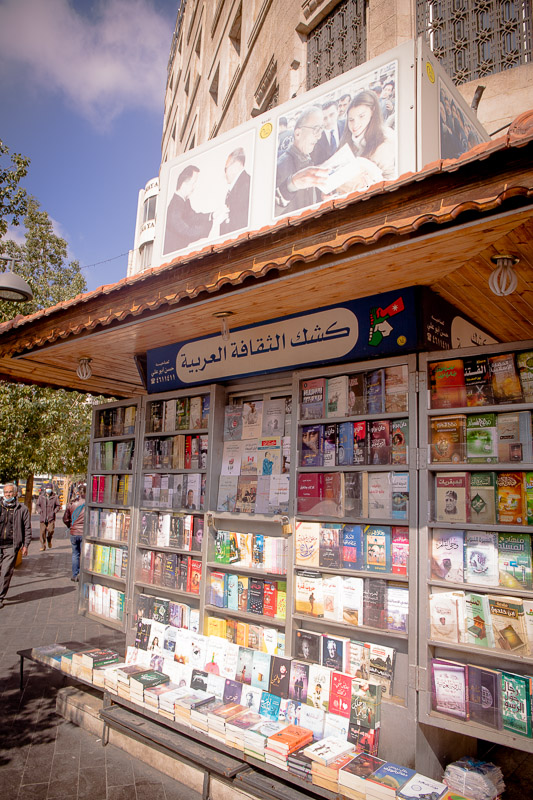
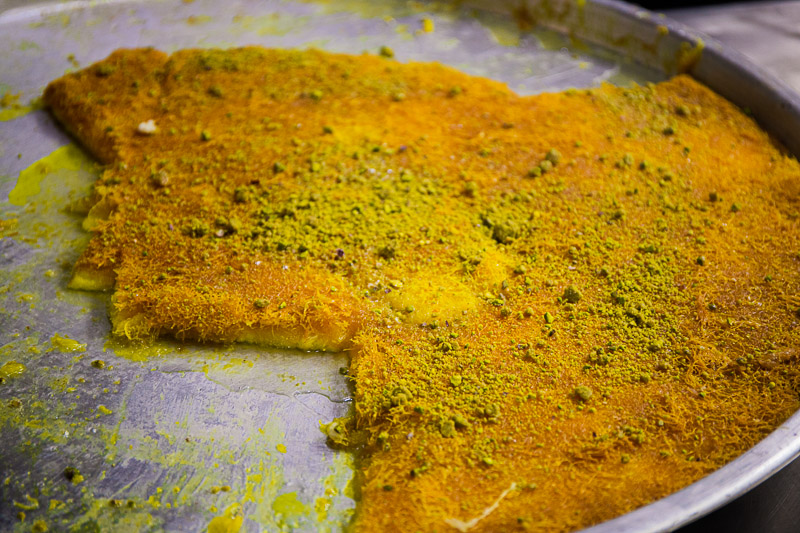
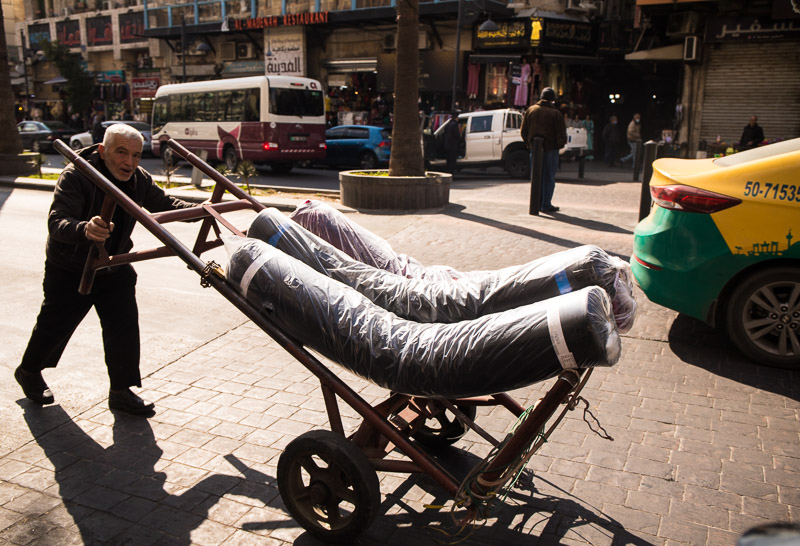
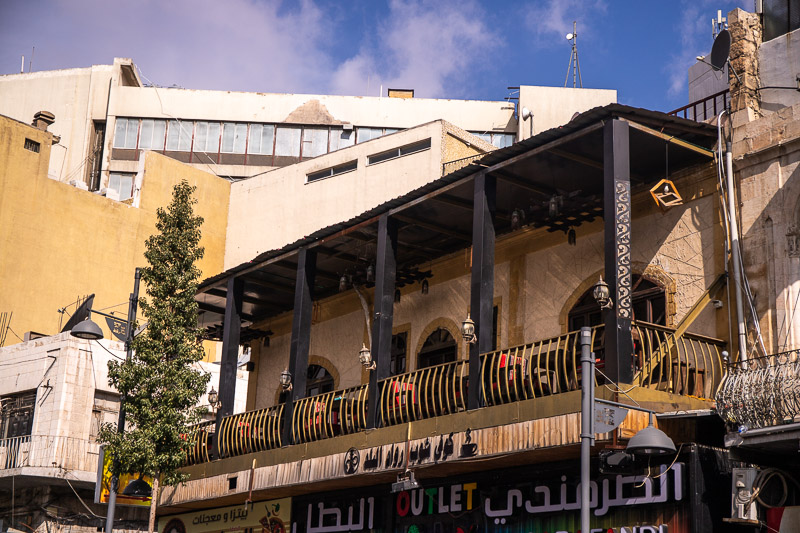
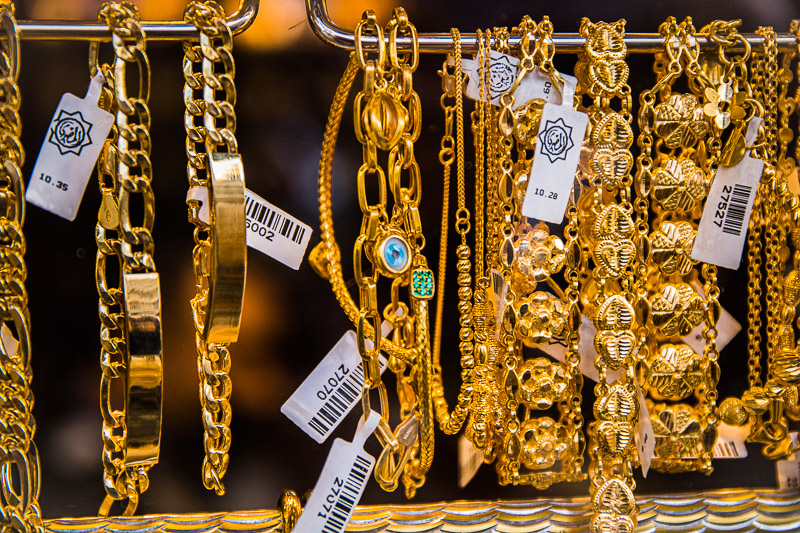
Here’s where you can discover real Jordanian life through its old buildings, crumbling archeological ruins by the side of the road, cute cafes and bookstores, fresh produce markets, and stores selling scarves, gold, herbs and spices, fresh juices, and delicious desserts like Kunafeh (goats cheese. topped with wheat and pistachio).
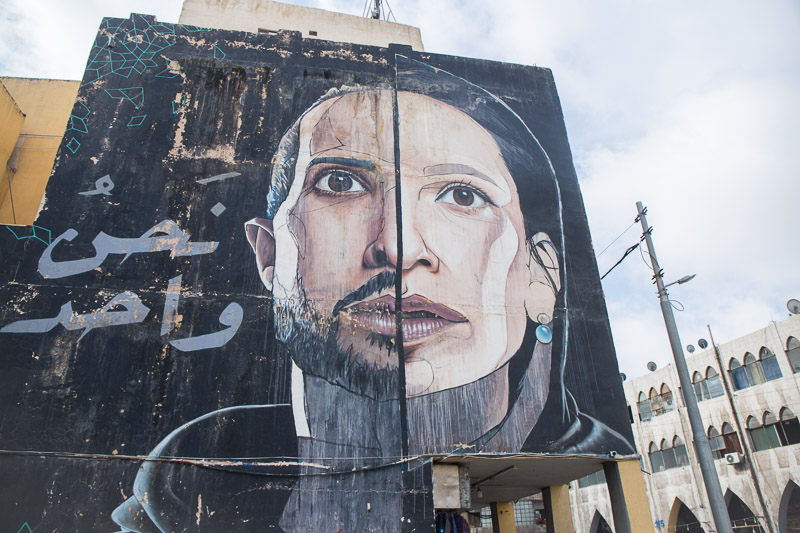
I absolutely loved this street art, which depicts equality, showing man and woman as one.
Stop 3: Lunch at Bait Khairat Souf Women’s Co-Operative
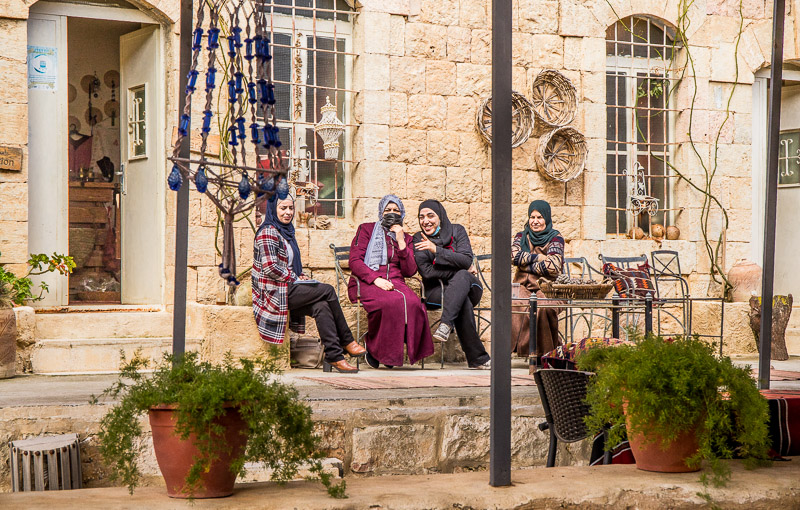
We stopped off in the remote village of Souf on the way to Jerash for lunch at Beit Khairat Souf.
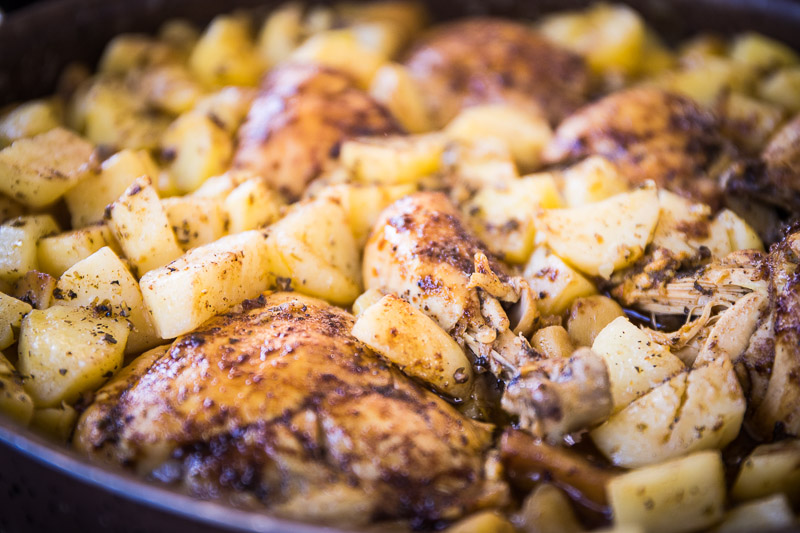
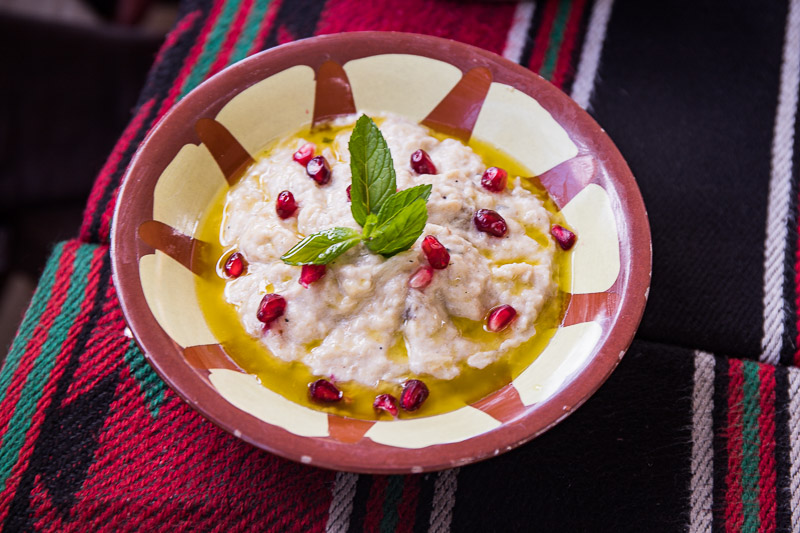
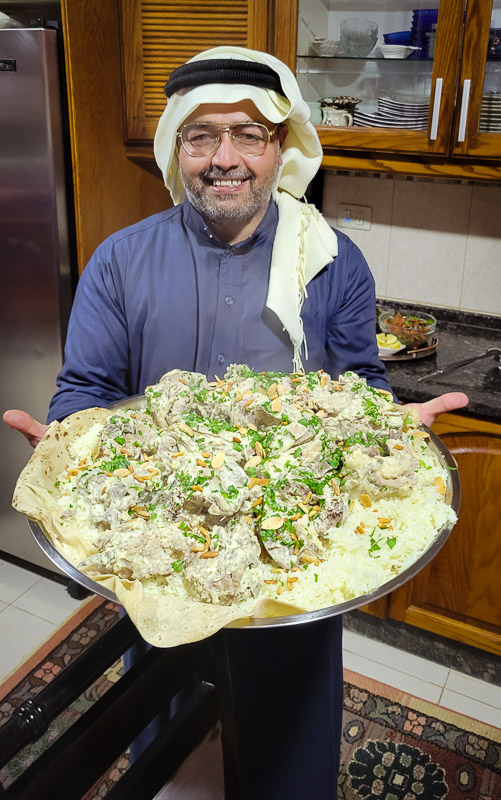
We sat down to a delicious Jordanian lunch: hummus, mutabal (roasted eggplant), lamb kebab with eggplant, chicken, and potato sawany (a dish cooked in a tray), and an arugula salad with apple and pomegranate.
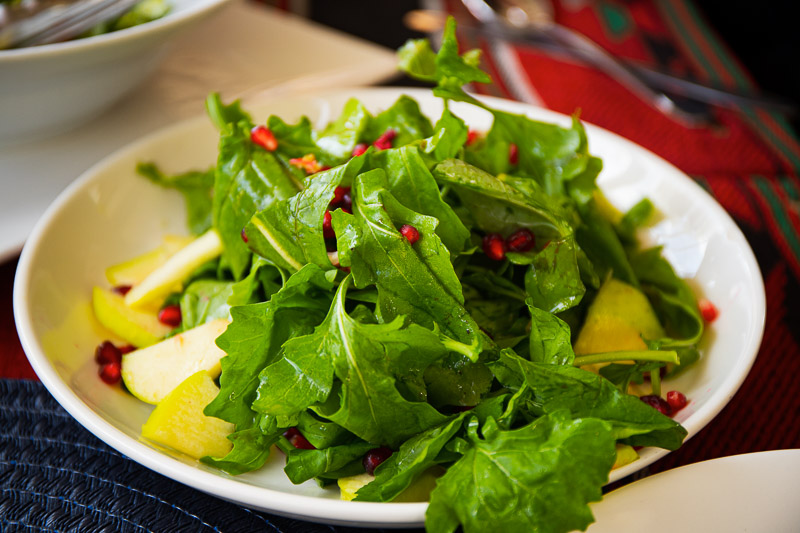
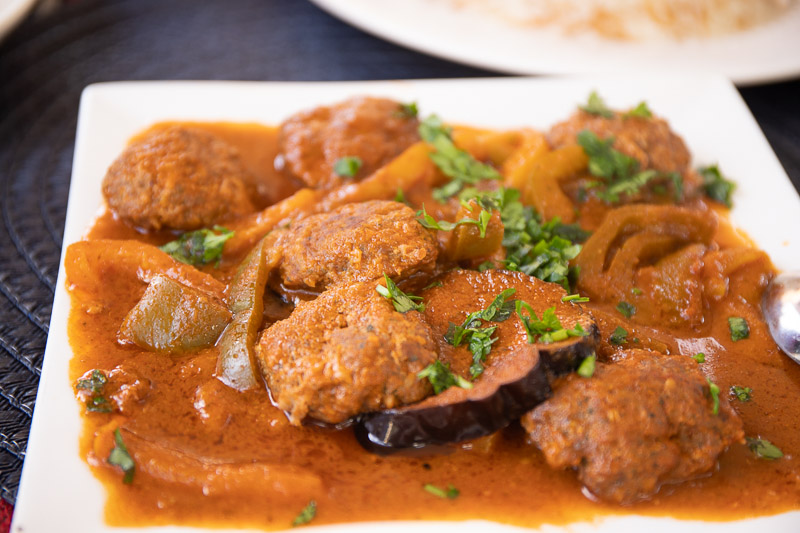
After lunch, we enjoyed sage tea in the pretty gorgeous outdoor seating area shaded by huge trees and fragrant flowers, and shopped in the small stores filled with preserved jars of food, knitted hats and bags, jewelry and other trinkets and souvenirs.
These stores are a part of Beit Khairat Souf’s Women’s Community Project created to help women financially support themselves.
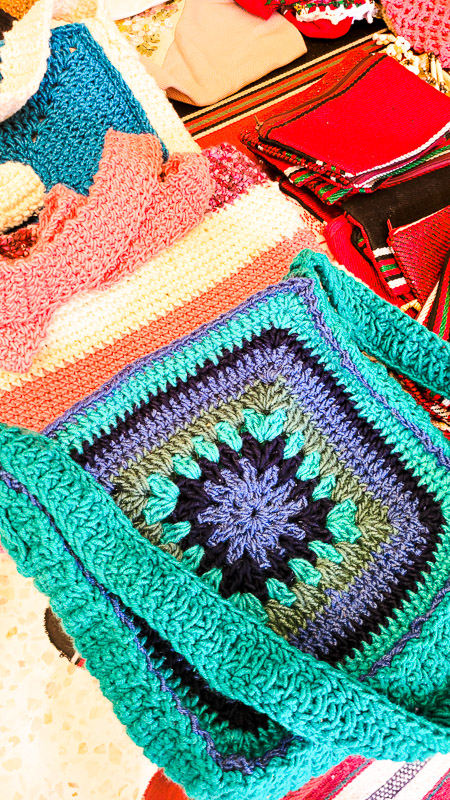
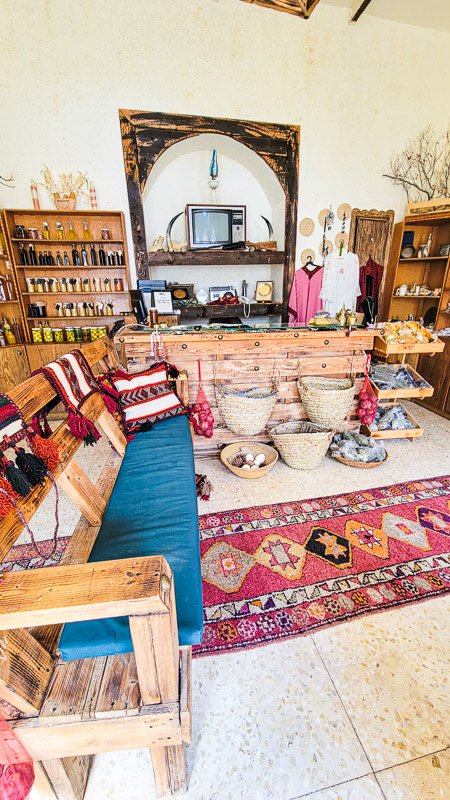
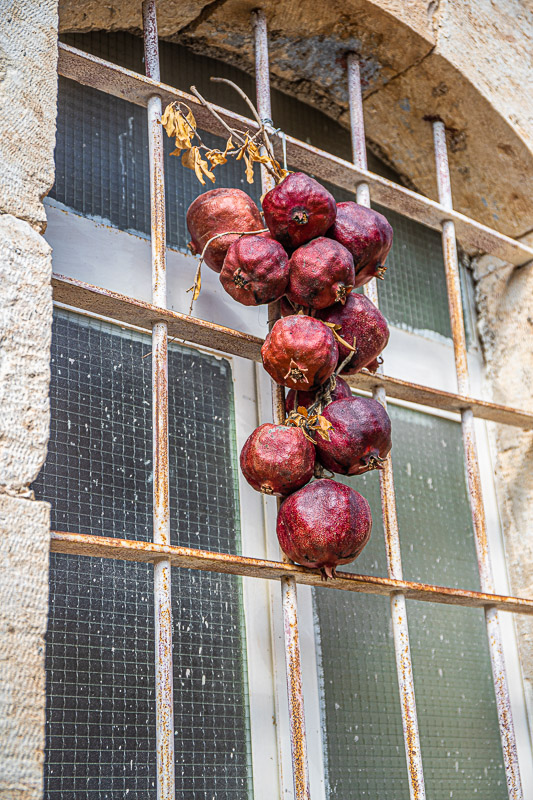
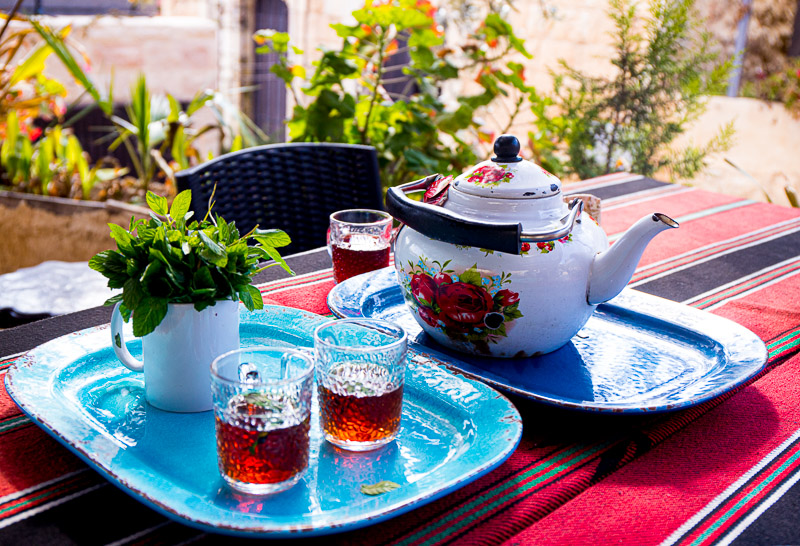
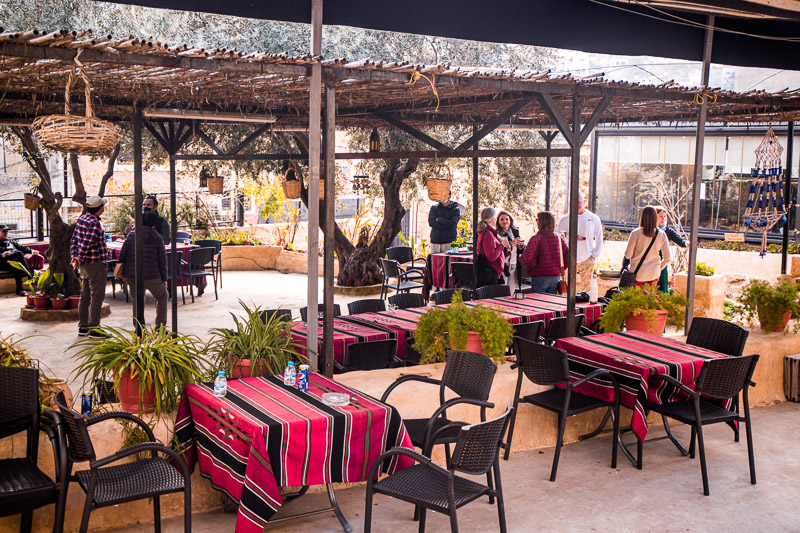
This co-operative has boosted the tourism in the village and employed many local women who were facing difficulties in trying to market their products, which they enthusiastically shared with us through beaming smiles, waves, and giggles.
Stop 4: The Ancient Roman City of Jerash
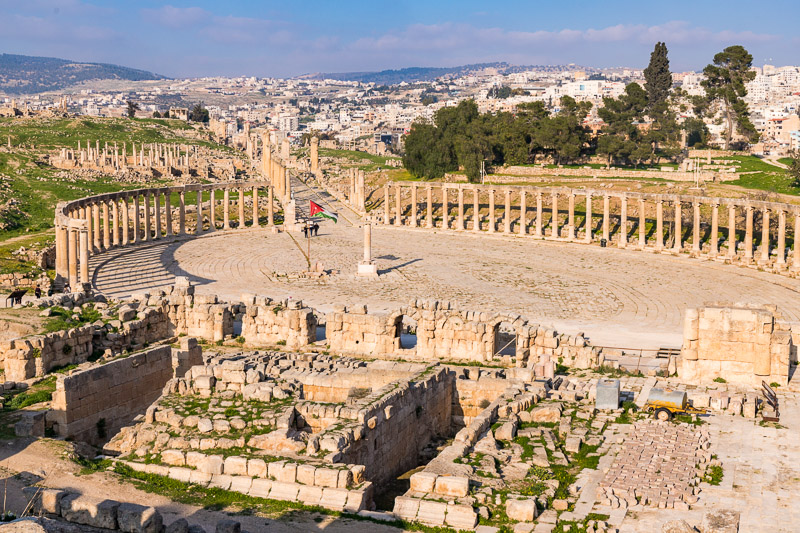
The ancient city of Jerash is considered one of the best-preserved Roman-era cities in the world.
Actually, Alexander the Great originally founded Jerash (or Gerasa) as a Greek City in the 4th Century BC. You can still see the Greek inscriptions in the crumbling remains of the façade that once faced the city.
About three hundred years later, the Romans took control where it grew to be one of the most impressive Roman cities to ever exist.
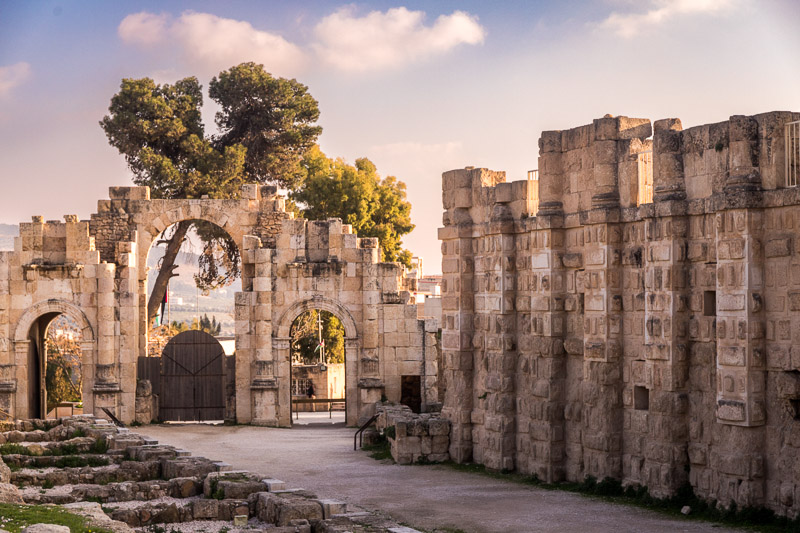
Unlike other ancient Roman cities, you’ll see little restoration; buildings are as it was during the Roman days (or how it has crumbled since).
Contemplate that as you walk around exploring what’s left of cultural centers like temples, theaters, and hippodromes.
White Australia has such a short, colonized history that you wouldn’t find a building under 200 years old. Our Indigenous culture is one of the oldest living civilizations in the world, but they were nomadic so have no crumbling remains.
It’s mind-blowing for my Aussie self to visit such ancient attractions and realize that life existed for a long time before my DNA memory.
There is so much to see in Jerash, and I barely scratched the surface. After a guided tour with our guide, Osama, through the first section of Jerash, I had time to wander on my own.
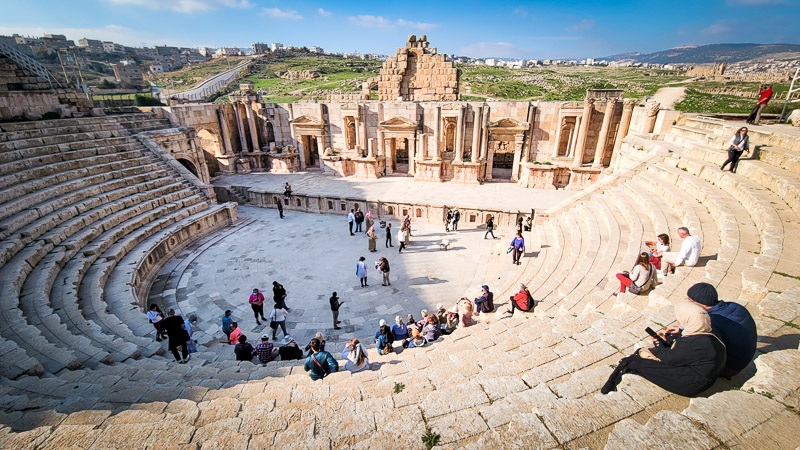
Don’t miss the impressive South Theater of Jerash.
The stunning backdrop of ancient and modern Jerash behind the elaborately carved stage gave a sense of the scale and beauty of Jerash and what it must have been like to sit here and watch a show in ancient Roman times.
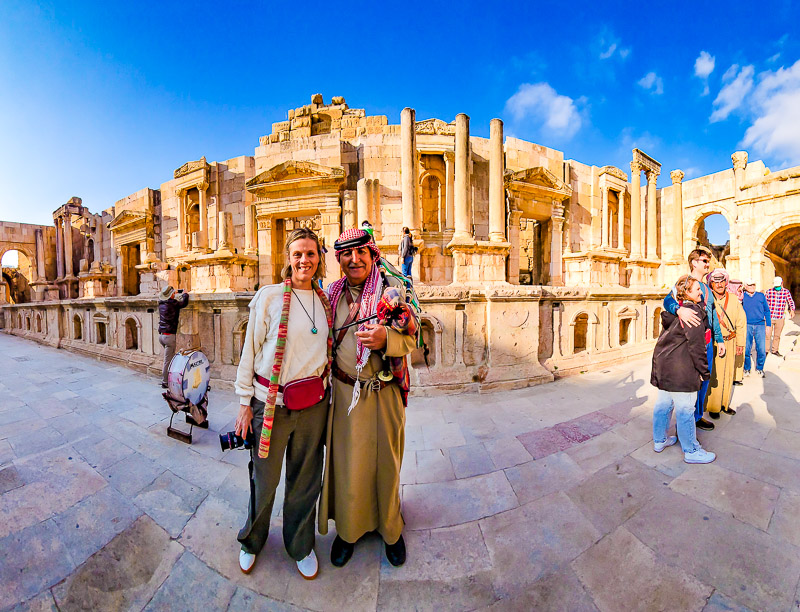
Sit down to enjoy the short Jordan bagpipe band show and the amazing natural acoustics of the stage. (read more about my favorite memory with the Jordan bagpipe band)
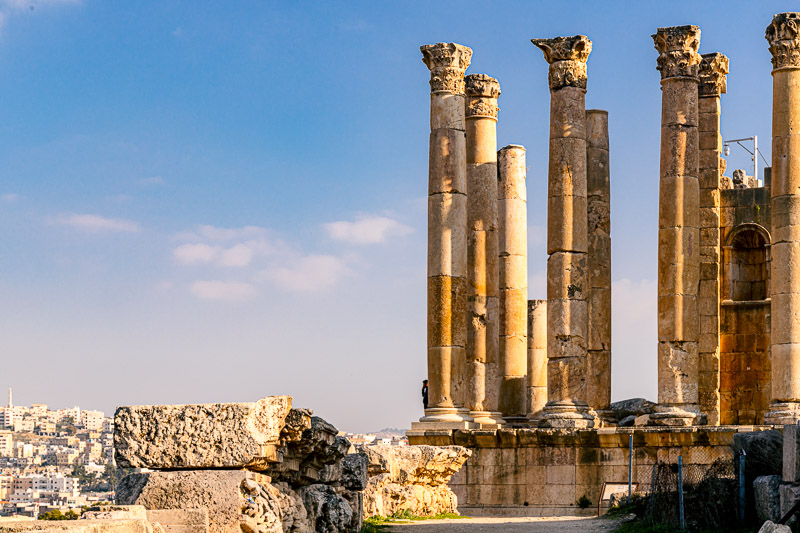
The stunning Temple of Zeus is next to the theater and offers some of the best views of Jerash.
I also loved wandering down the paved white stones of Colonnaded Street (Cardo Maximus) lined by two rows of columns. Ruts, worn by chariots, are still visible down this main street of Jerash.
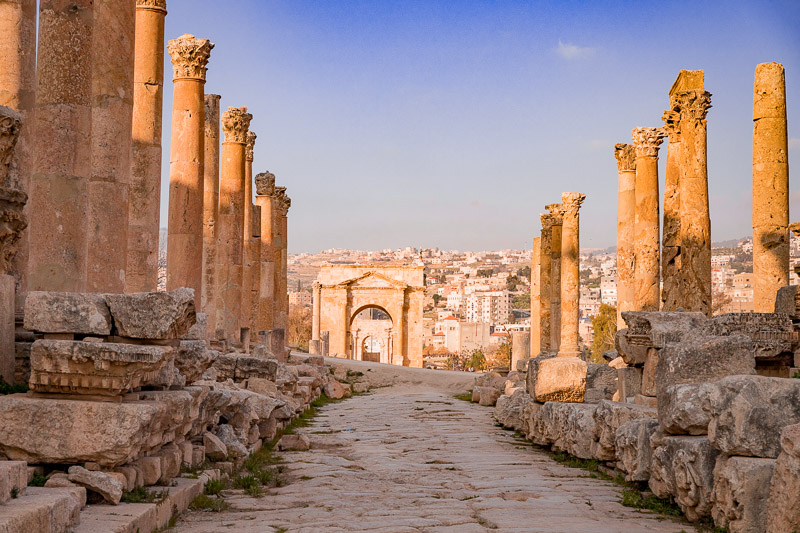
Further up the Cardo on the left, was another favorite, the richly carved gateway of the 2nd Century Roman Temple of Dionysus, dedicated to the God of Wine.
Thank you, Dionysus, for your service! You deserve elaborate temples built in your honor.
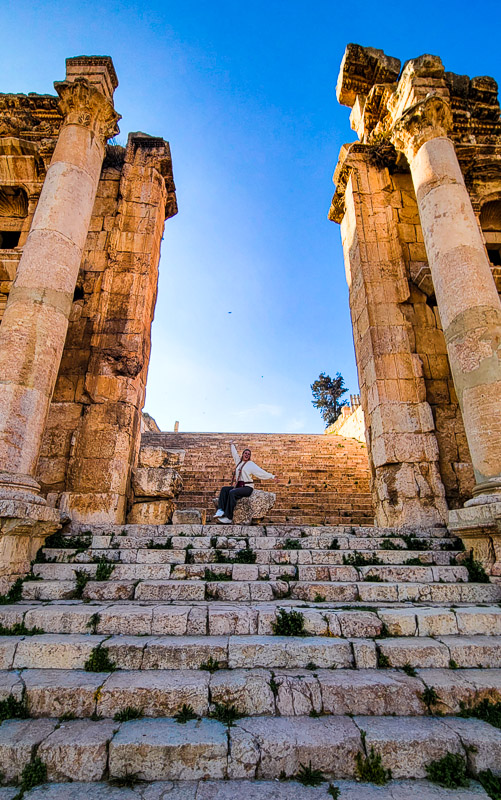
I found Jerash to be just as impressive, if not more, than Ephesus in Turkey and Pompeii in Italy, both of which I loved.
Jerash is located about 50km north of Amman.
Attractions in Amman to consider
- Jordan National Gallery of Fine Arts: a great collection of contemporary art from Middle Eastern artists. Beautiful looking café in here too.
- King Abdullah’s Mosque, the most well known mosque in Amman.
- Rumi Café: My well-practiced eyes for spotting a good café fell in love with the Rumi Café. We stopped here for tea after visiting the Suhail Gallery. I regret not ordering a coffee instead, as I’m pretty sure Rumi Café knows how to make a great one. The ambiance here was spot on. It’s in the The Jabal al–Weibdeh neighborhood, a bohemian, hipster area found in one of the oldest neighborhoods in Amman.
- The Royal Automobile Museum Car lovers will want to see the Royal automobile collection of the last King Hussein (Read about our Royal drive through Amman here)
Where To Stay in Amman: Kempinski Hotel
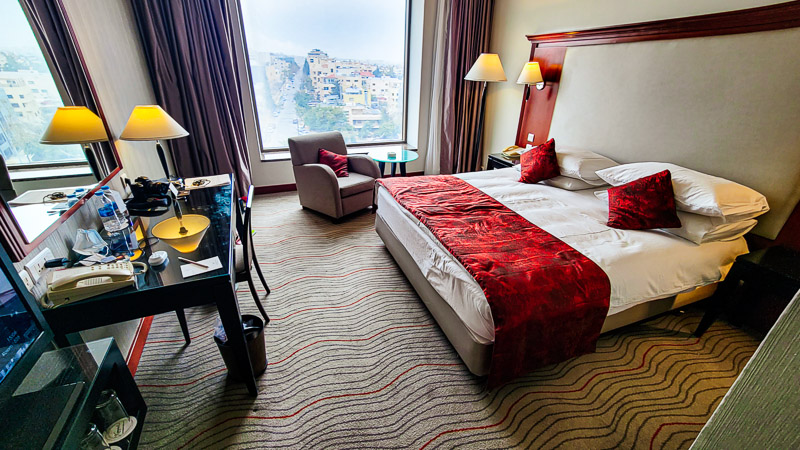
To be honest, I wasn’t expecting such a nice hotel! Kempinski Hotel was in a great location in Amman’s central business district, the service was outstanding, and the rooms were very comfortable with the biggest and best pillows I’ve ever had.
The bathroom towels were gigantic and just as luxurious as the fluffy robe.
I couldn’t have wished for a more comfortable bed for the 13 hour sleep I had on my first evening (after 30 hours without it)
Spending 15 minutes each day in the complimentary steam and sauna room in the Spa helped me recover from jet lag.
The buffet breakfast and dinners were also delicious and full of Jordanian food.
There are local restaurants within walking distance to the hotel if you want to eat out.
Day 3: Wadi Rum
It’s about a four-hour drive from Amman to Wadi Rum, which was the southernmost part of this Jordan itinerary.
Make use of the wi-fi, enjoy the desert views out the window – you may even see a camel or two crossing the road.
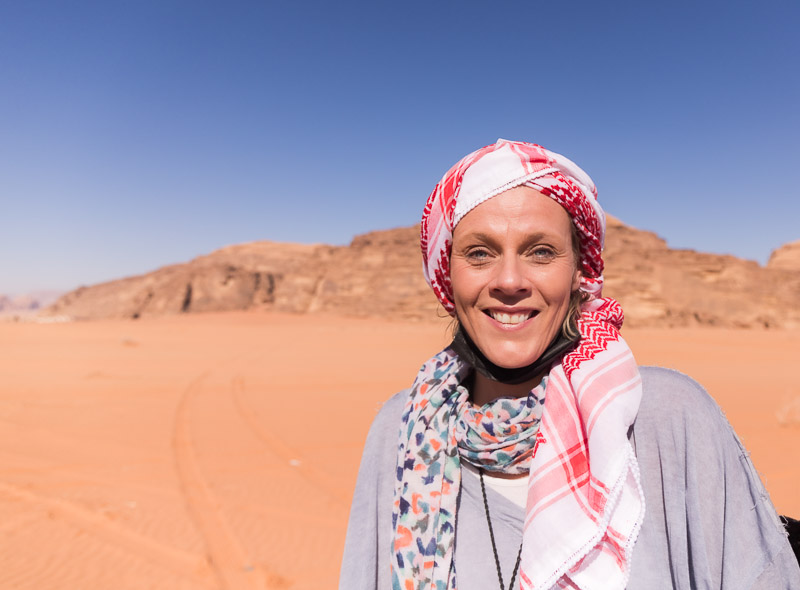
Along the way, our guide Osama gave us a lesson on how to wear a keffiyeh. These striking red and white scarves are the headwear of the Bedouins, who are the Arab desert nomads.
We then had a chance to put our own head scarf on (a souvenir gift from Globus) to wear in Wadi Rum Dessert. You’ll be surprised at how comfortable they are.
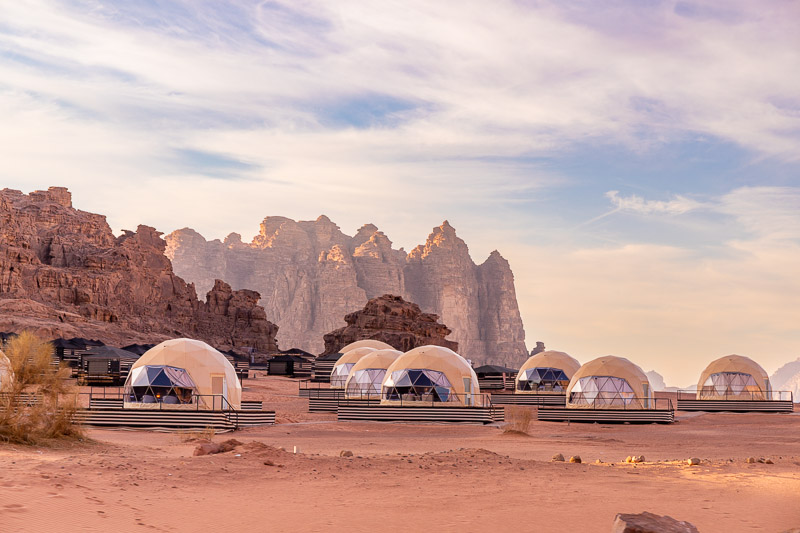
After a quick buffet lunch at our Wadi Rum arrival point, we jumped on the back of 4×4 trucks (the modern camel) to drive across the sandy desert and past the red granite, red sand dunes, and sandstone rock formations..
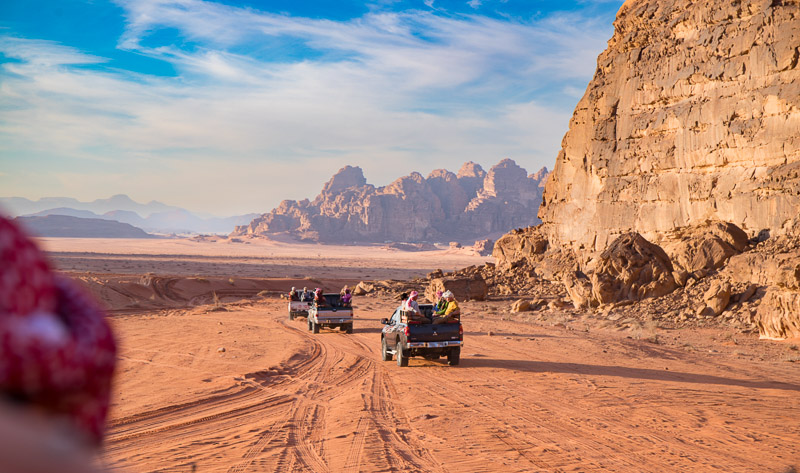
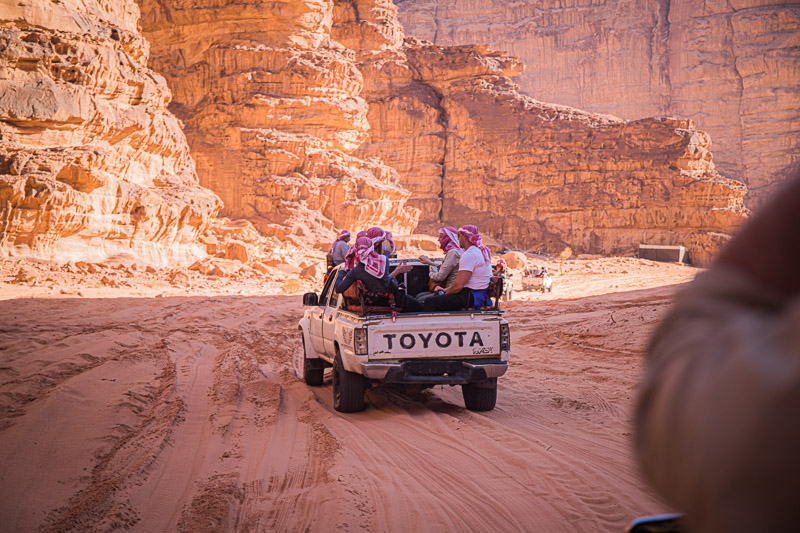
We first stopped in Lawrence Canyon, named after Sir Lawrence of Arabia, who once traveled through this area of Wadi Rum.
You can see carved images of him and King Abdullah I in the rock and the cliff faces.
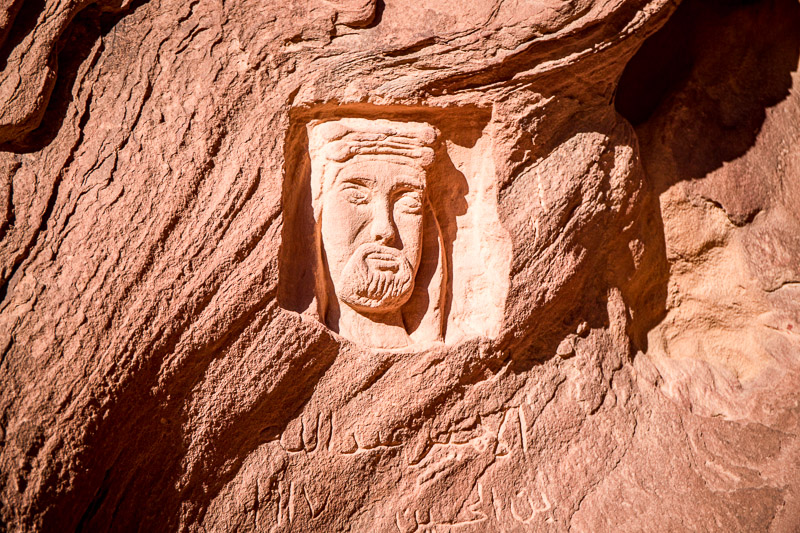
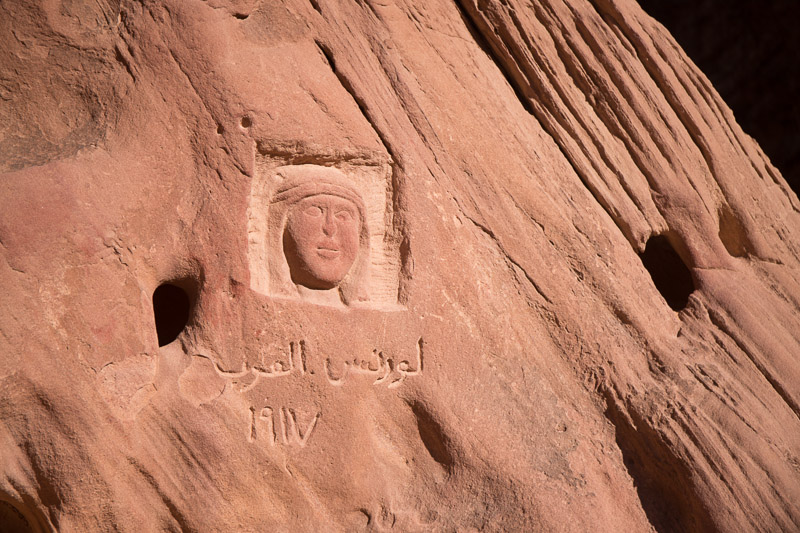
Hollywood filmed the first scenes from the movie Lawrence of Arabia here, as was Martian with Matt Damon, and the latest blockbuster, Dune.
After visiting the canyon, we continued driving across Wadi Rum until we came across a Bedouin Camel Caravan.
Camels are an important part of the Bedouin life, as a source of food, transport, and a sign of wealth. Some of us decided to ride the camels to a Bedouin camp for tea.
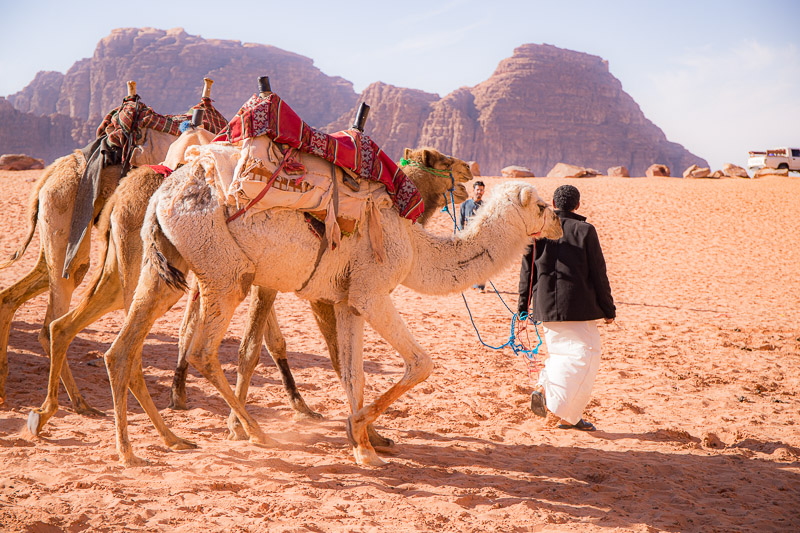
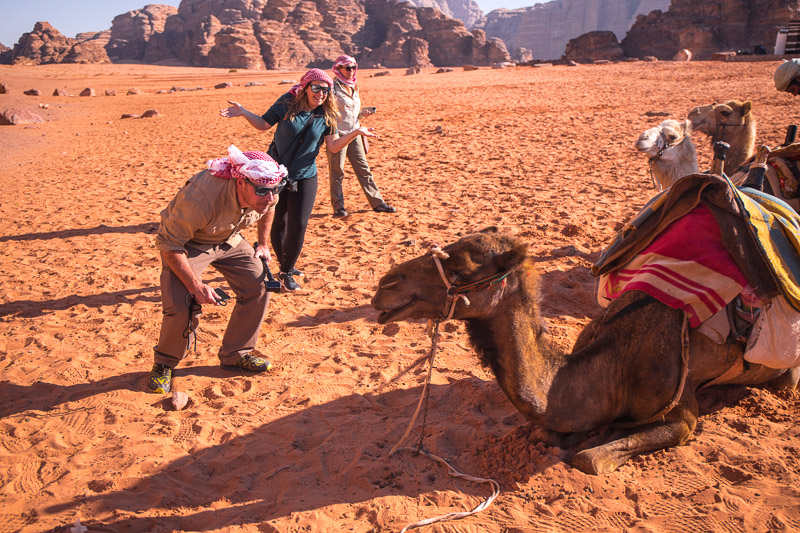
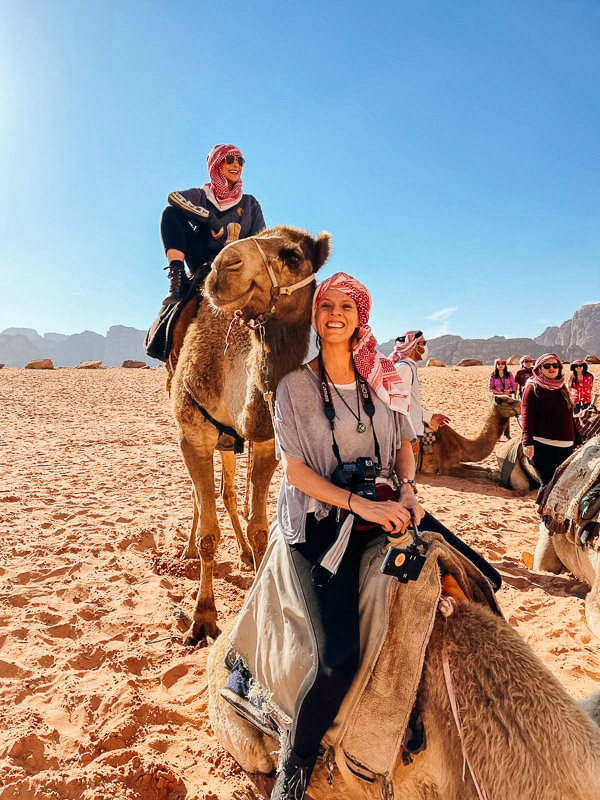
You can read this post for our hilarious frothing camel encounter and you can see a reel here!
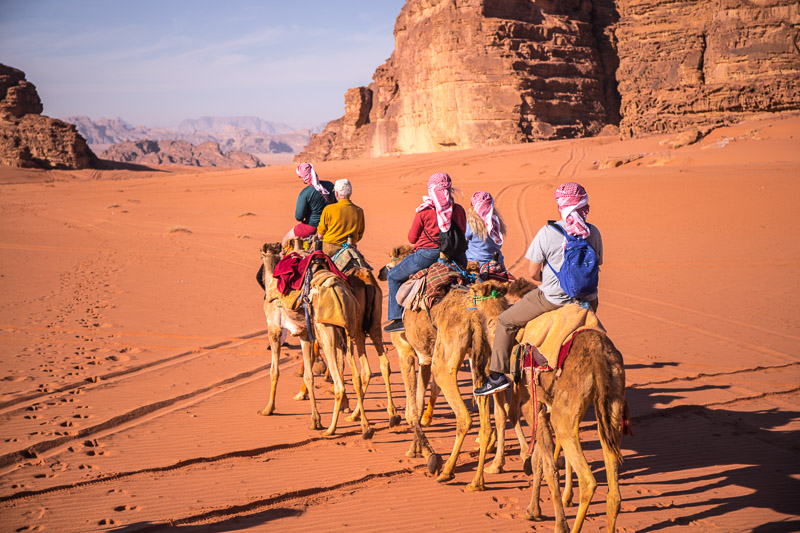
It was only about a 20 minute ride across the sandy desert to the camp, and since riding a camel can be uncomfortable, this was the prefect amount of time.
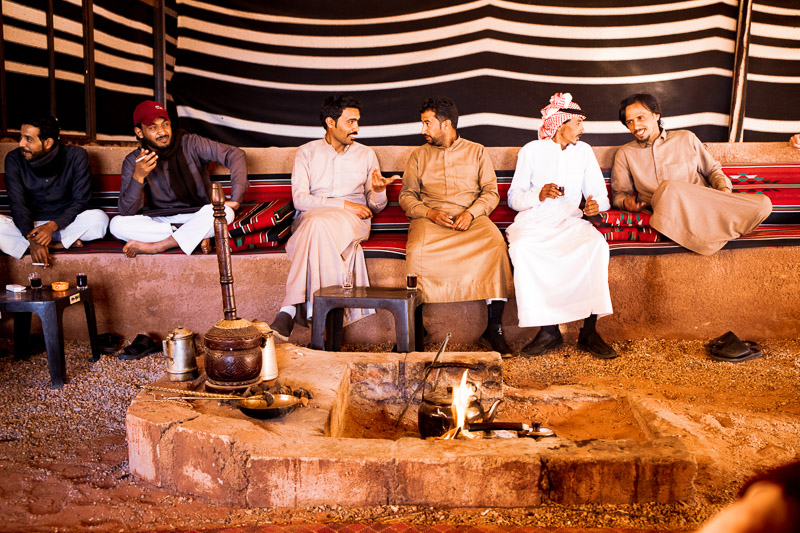
When we arrived, a group of robed Bedouin men brewed us sage tea over an open fire and Osama shared more with us about their lifestyle.
A Bedouin family invited us to their open fire near the tent where they demonstrated how they cooked two types of bread – one thick and one thin – while we stood in the glow of the afternoon light deepening the colors and textures of the surrounding red rocks.
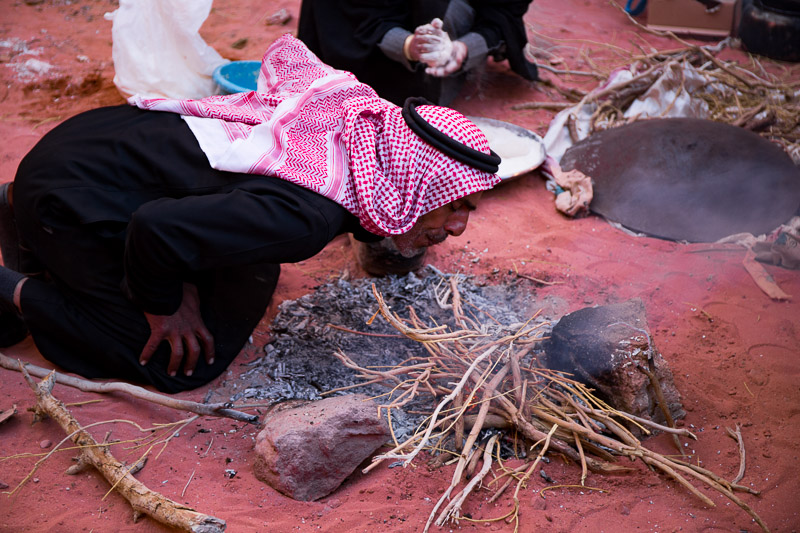
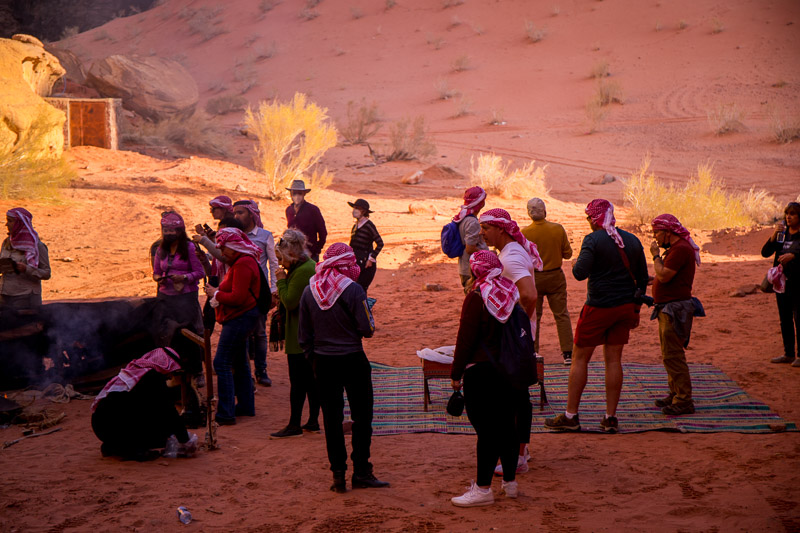
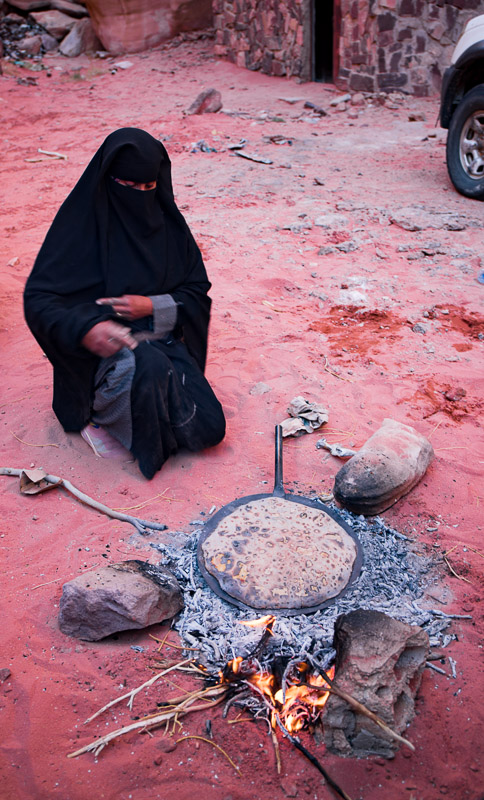
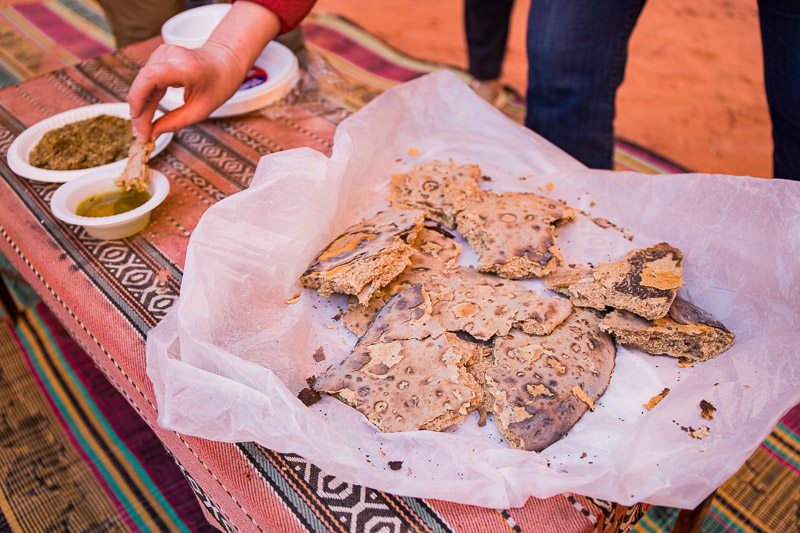
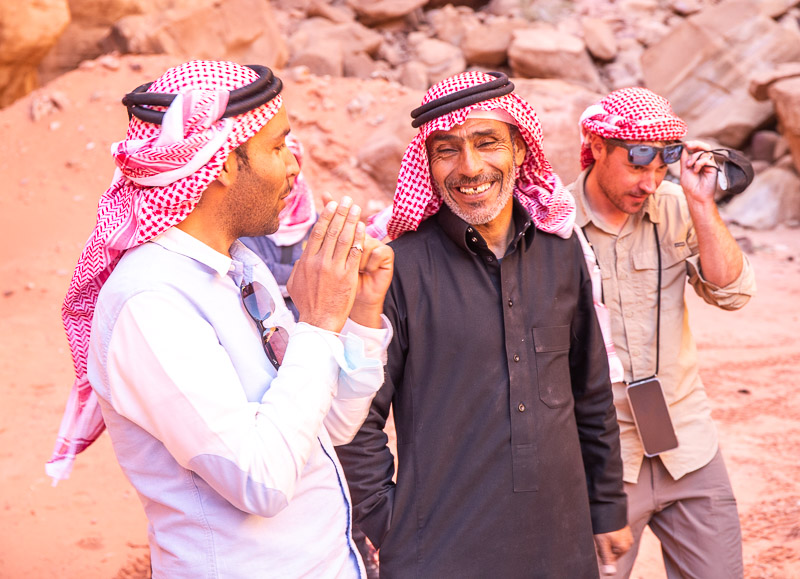
My fellow travel friends said the breads were warm and delicious, especially dipped in oil and spices.
I was more enamored with the welcoming bright smile and graciousness of our host and his family.
Where to Stay near Wadi Rum: Movenpick Resort Petra
After Wadi Rum, we drove straight to Petra for a two night stay.
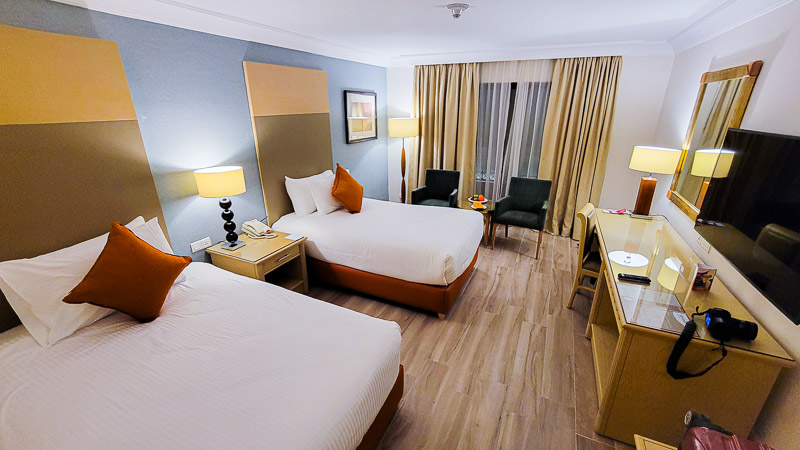
You couldn’t find better accommodation in Petra than the 5-Star Movenpick Resort. It’s right across the road from the Petra Visitor Center and the gate to the historical city.
I loved the interior design of this Petra resort filled with Middle Eastern fabrics, marble floors, handcrafted wood, embroidered chairs and water fountains.
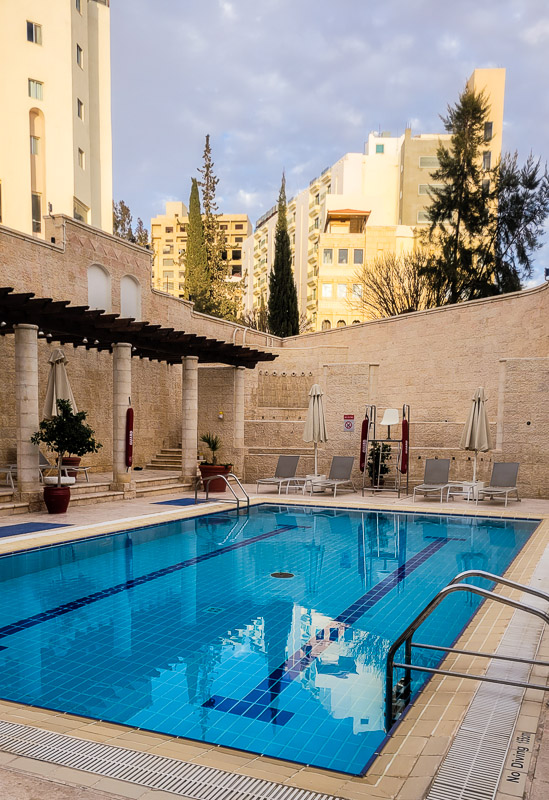
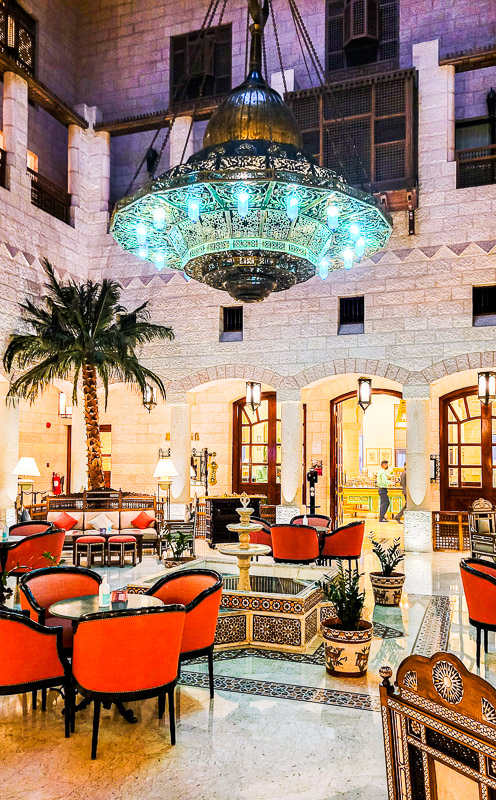
Sadly, the popular Al Ghadeer rooftop garden is only open during the summer, so we missed their superb sunset view over the Petra Hills. But, I did enjoy a glass of Jordanian chardonnay in the Arabian inspired Al Maqa’ad bar with its gold leaf walls!
As you’ll be spending long days exploring while in Petra, you’ll appreciate the ease of the buffet breakfast and dinner included in your stay.
If you want something else, the hotel is surrounded by restaurant options in Wadi Musa, which is the town on the edge of Petra.
Day 4: Petra
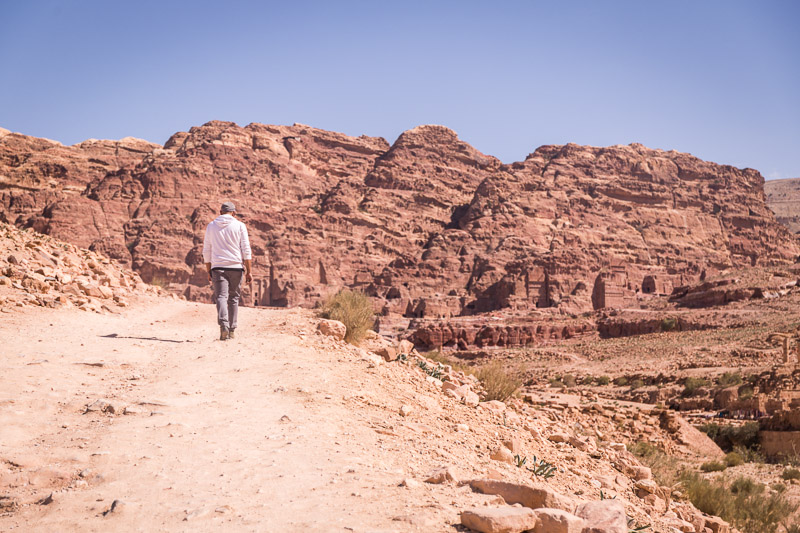
Lace up your best pair of walking boots and spend the day exploring the vast ancient city of Petra, Jordan. It’s definitely one of the best things to do in Jordan.
There is a reason the Globus Jordan itinerary allows for an entire day to explore the Red Rose City.
This New Wonder of the World is 263 square kilometers big (roughly 50,000 football fields). Can you believe archaeologists have only uncovered about 18% of it so far?
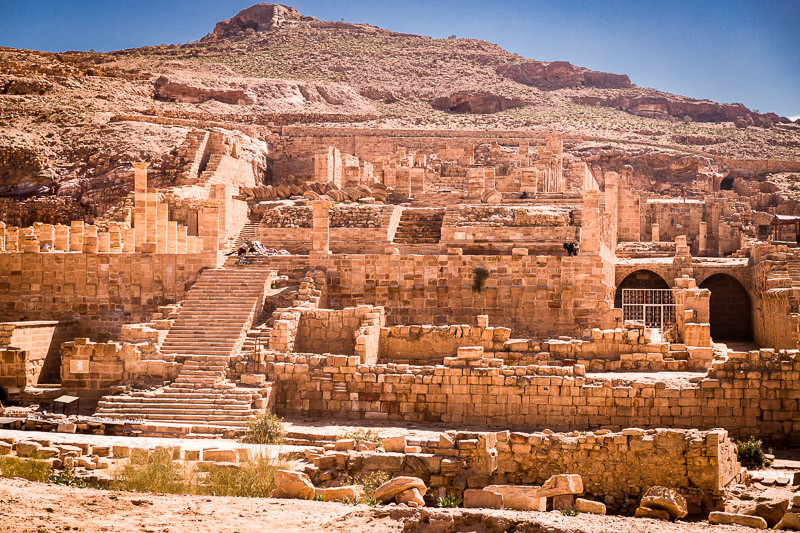
It was built by the Nabateans more than 2,000 years ago in the heart of the mountains between the Red Sea and Dead Sea, which allowed it to become an important city on the major trading route connecting Mesopotamia and Egypt.
Caravans would stop here to trade and refresh before continuing their journey. With the tolls and services Petra provided it was a very wealthy society and, at one stage, it accounted for 35% of Roman income.
Many stories lay beyond the 1.2 km Siq trail leading to the Treasury, which is considered the main attraction of Petra, and the most iconic view. (See The Treasury in this Reel)
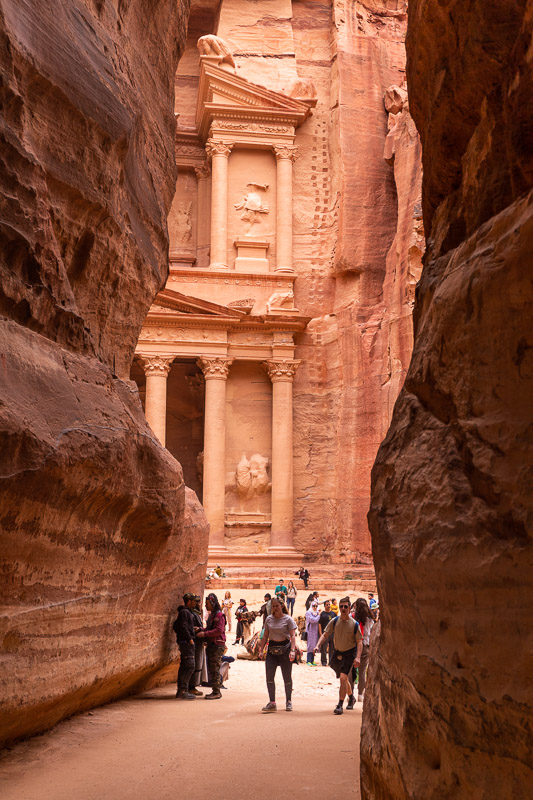
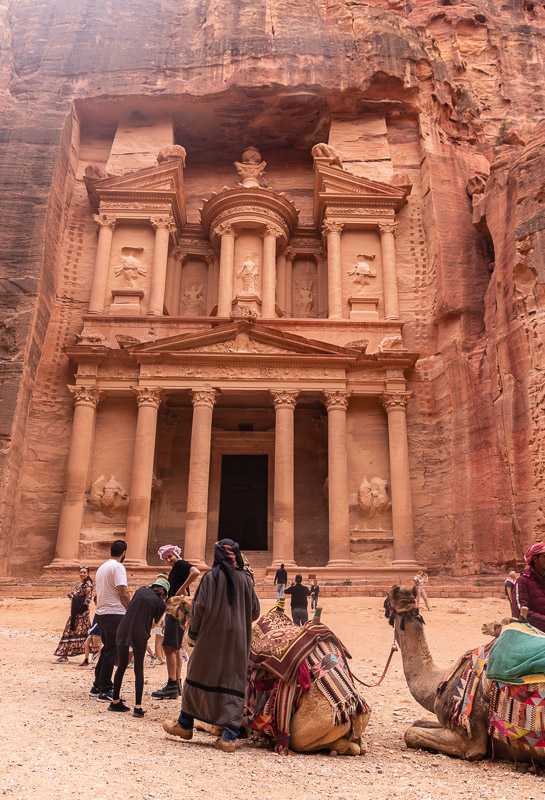
Keep walking past the Treasury to explore the hundreds of caves, or royal tombs, carved into the cliff faces, as well as elaborate temples, a theater carved into the side of the mountain, The Colonnaded Street, and the crumbling remains of free-standing buildings like the Great Temple.
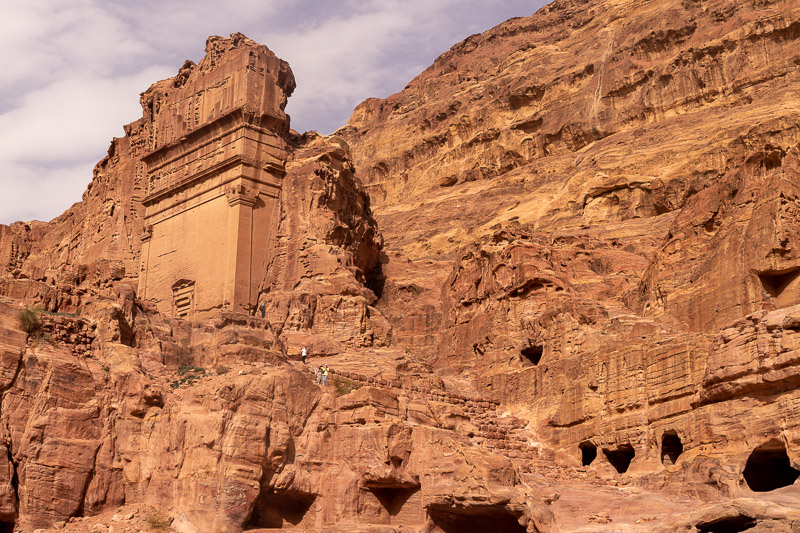
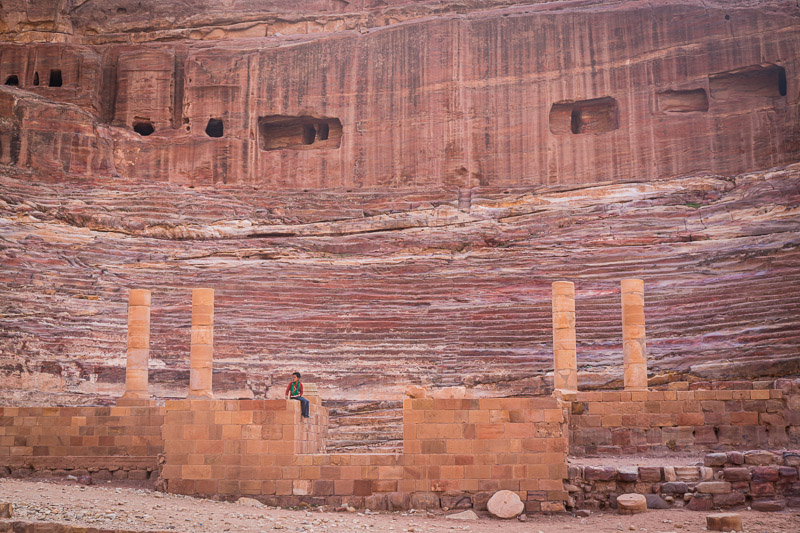
I highly recommend walking up the nearly 1,000 stairs (you can do it) to see The Monastery, which is just as grand as the Treasury, and maybe more impactful as it’s so unexpected.
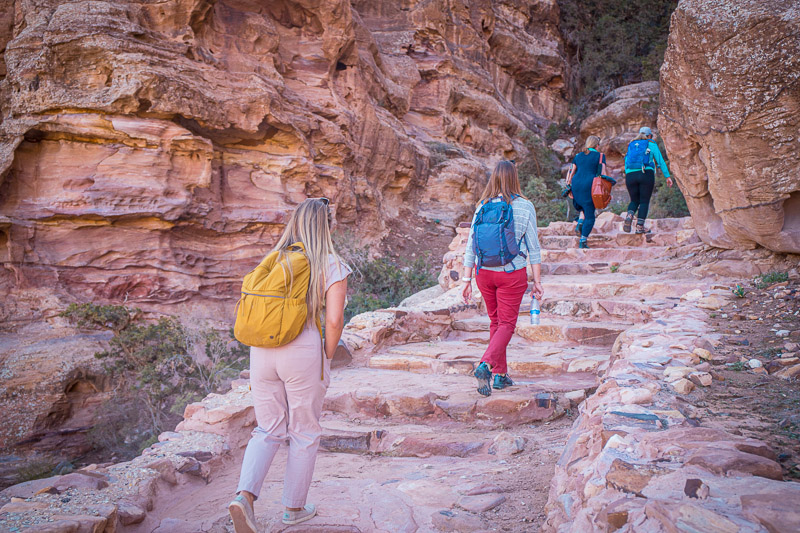
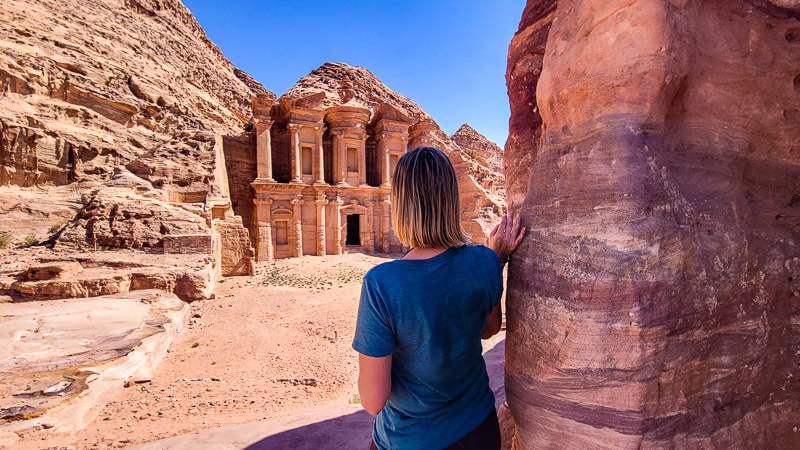
I enjoyed drinking a freshly squeezed lemon mint juice from the small café in the shade here, staring in awe at what they think was a church or tomb, and wondering just how on earth they carved all of that into the rock.
Are humans even capable of such commitment, patience, and elaborate artistry anymore?
It’s a great moment to pay homage to this society that revered women, forbade prostitution and slavery, paid people what they were worth, and engineered a world that existed in harmony with Mother Nature.
We had a guide leading us through Petra and teaching us a lot about this UNESCO World Heritage Site.
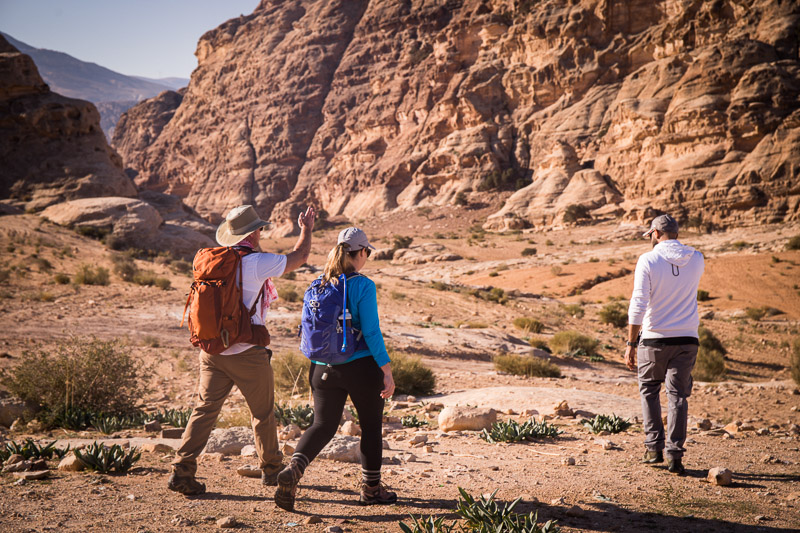
Our blogging group explored Petra quite in-depth on a 9-mile hike through the back door.
Because of that we did not have time to take advantage of the Little Petra optional excursion in the afternoon.
Petra By Night
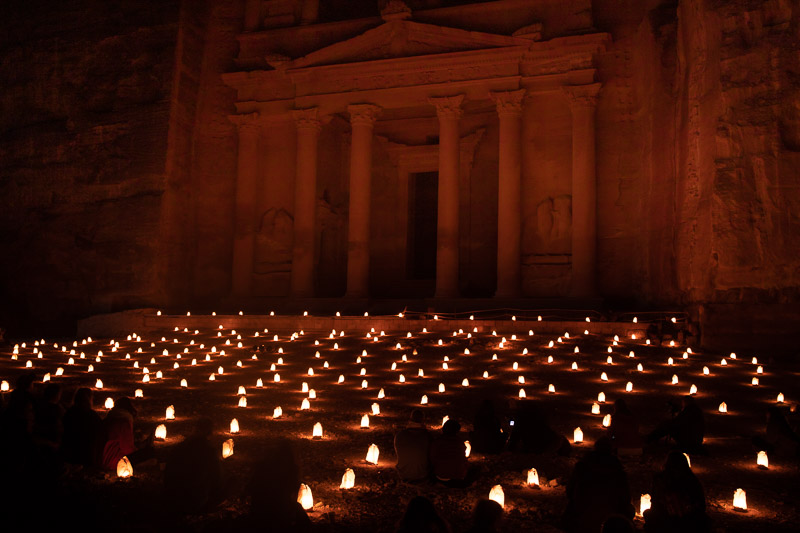
I know you may be tired by the end of the day, but I recommend keeping your boots on and enjoying Petra by Night (Mondays, Wednesdays and Thursdays).
I was glad I dragged my weary feet down there. It’s a beautiful addition to a magical Petra experience. It will cost an extra $17 JOD.
Petra is an opportunity to experience the darkness of the desert, only guided by the light of a thousand candles.
You can read more about our nine-mile Petra hike and Petra by night here.
Day 5: Petra and the Dead Sea (with stops)
Today was a relaxing day driving to the Dead Sea with some memorable stops in between.
Stop 1: Kerak Castle
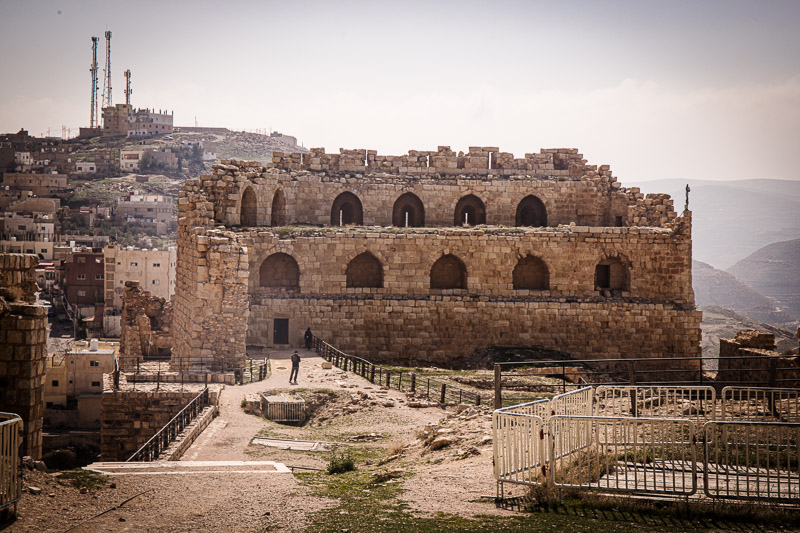
Along the popular King’s Highway, is the impressive Kerak Castle sitting 900m above sea level inside the walls of the old city of Kerak.
This Crusader Castle was built in 1140 is on the largest and best-preserved castle in Jordan
Its strategic location on the narrow southern tip of the triangular plateau made it the target of many sieges, some more successful than others. It also helped the Crusaders rule with an iron fist over the traders and travelers crossing the Holy Lands.
It was one of the last outposts held by the Crusaders after Jerusalem was recaptured by the legendary Saladin in 1187.
Inside, are tunnels, dark chambers and dungeons, and vast, arched-roof stables to explore.
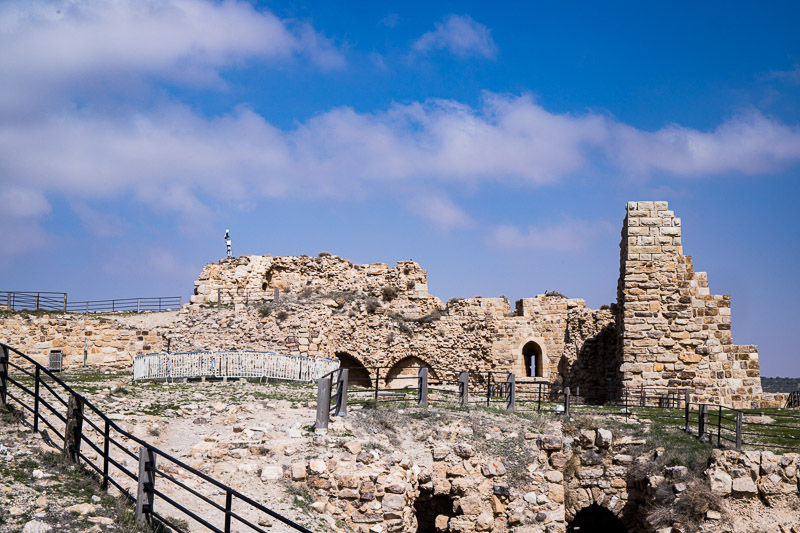
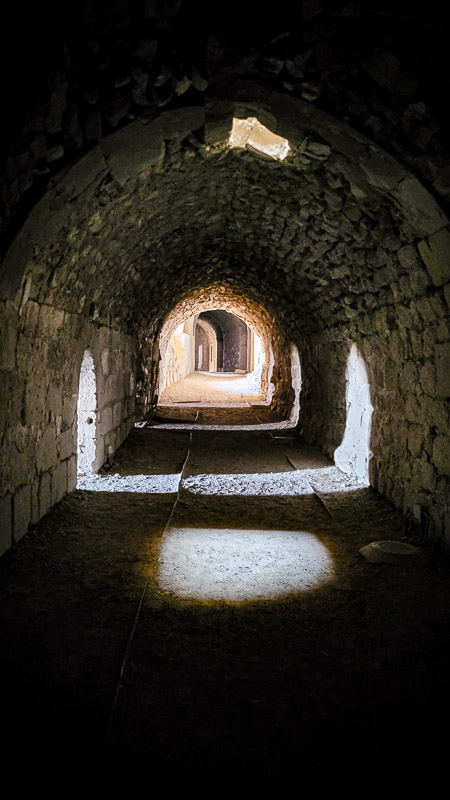
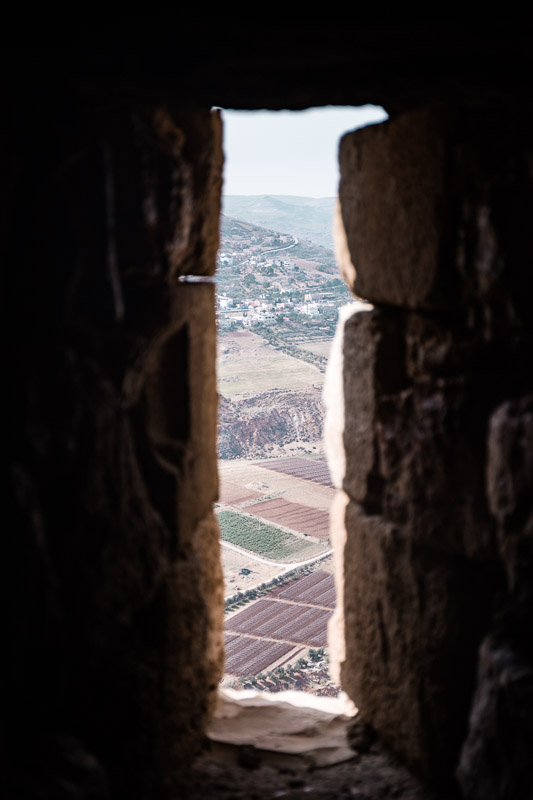
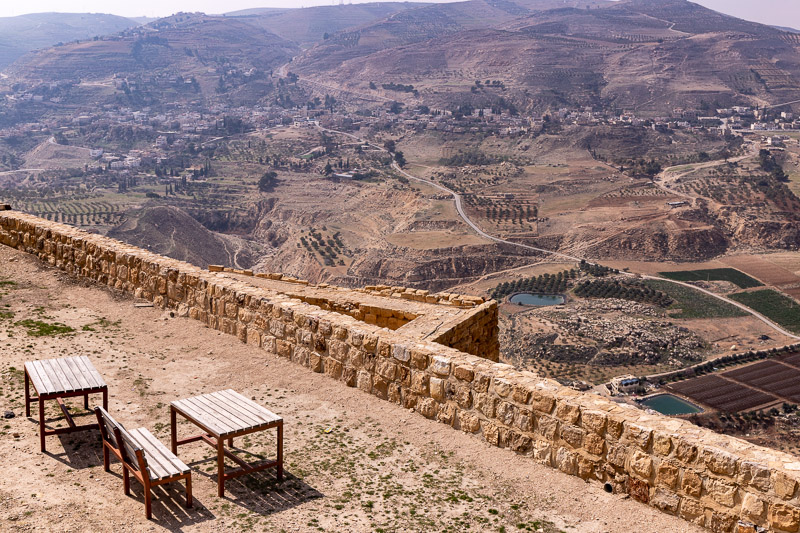
We spent an hour exploring the ruins of the Crusader castle, including going underground to the cramped, dark prison cells whose prisoners sadly never got to see the impressive large sweeping views from the castle grounds.
Unless the guards threw them over the castle walls trapped inside a box with just their head showing. Then they got to see the views. God love humans and their barbaric ways. WTF is wrong with us?
Flying boxes aside, on clear days, you can look across the Dead Sea and see all the way to the Mount of Olives bordering Jerusalem.
Stop 2: Wadi Mujib: The Grand Canyon of Jordan
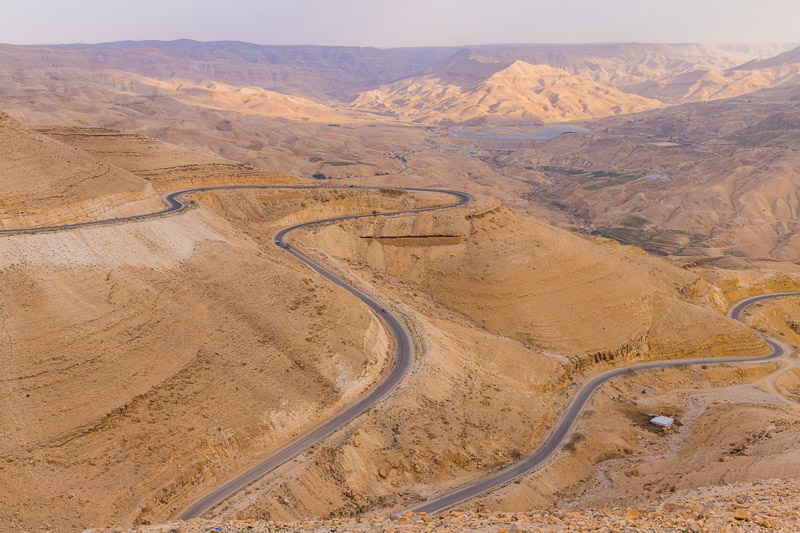
Wadi Mujib may only have been a quick photo stop on our way to the Dead Sea, but it was a memorable one.
We wound 900 meters down the King’s Highway to a dam at the bottom of the wadi before winding back up to our canyon viewpoint.
Wadi Mujib is part of the Mujib Biosphere Reserve, a nature reserve located on the eastern flank of the Jordan Rift Valley. The Mujib River runs through here as it makes its way to the Dead Sea, the lowest point on earth.
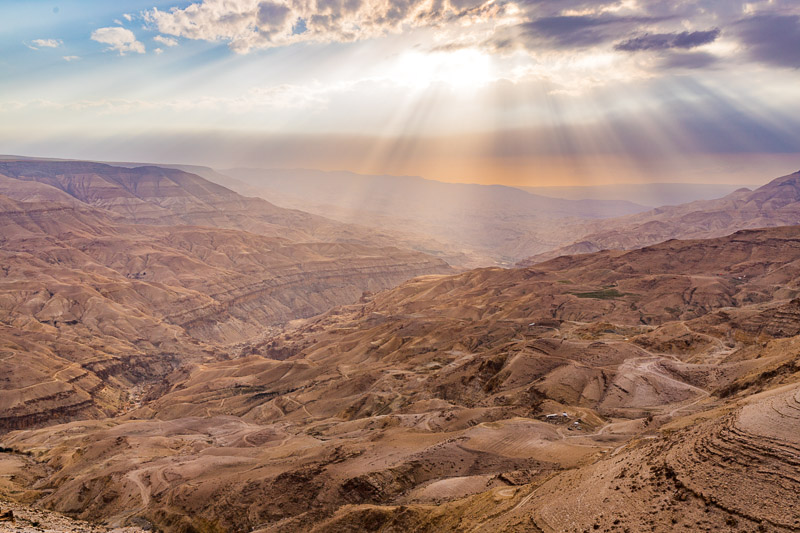
Apart from spectacular views, Wadi Mujib is known for outdoor adventure, mostly canyoneering. A reader recommended the popular Siq Trail as one of the best things to do in Jordan.
I’m inspired to return to and explore the depths of what they call The Grand Canyon of Jordan.
If you have more time, consider spending a couple of hours at the nearby luxury camp, Ma’In Hot Springs Resort & Spa, where you can bathe in natural geothermal pools.
The rest of our drive coming into the Dead Sea was spectacular as the sun was setting and we drove through the area where Moses led the Israelites to the Promised Land. (more about that below)
Stop 3: Floating in the Dead Sea
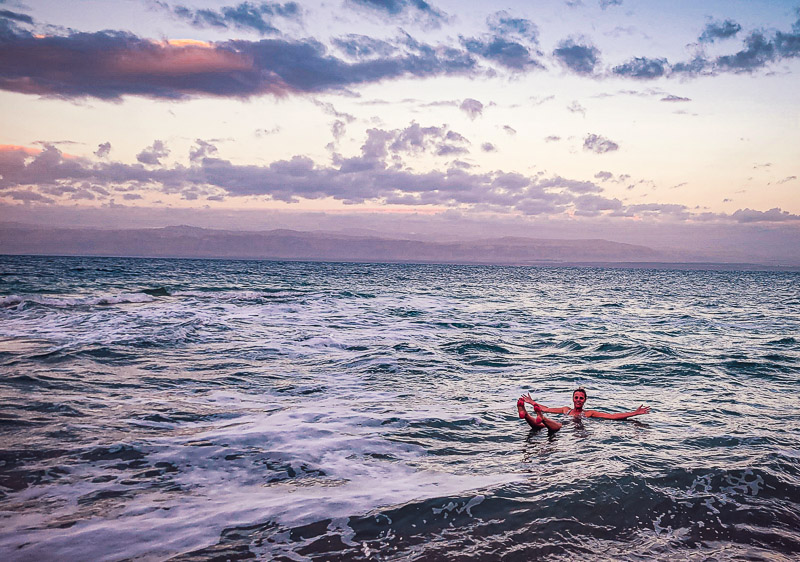
How could floating in the Dead Sea NOT be one of the best things to do in Jordan?
The Dead Sea is 35% salt and packed full of wonderful minerals for your body.
At 420 meters below sea level, it is also the lowest point on earth. Because of the high barometric pressure at this point, the air around the Dead Sea is up to eight percent richer in oxygen than that at sea level.
There is no place on earth quite like it.
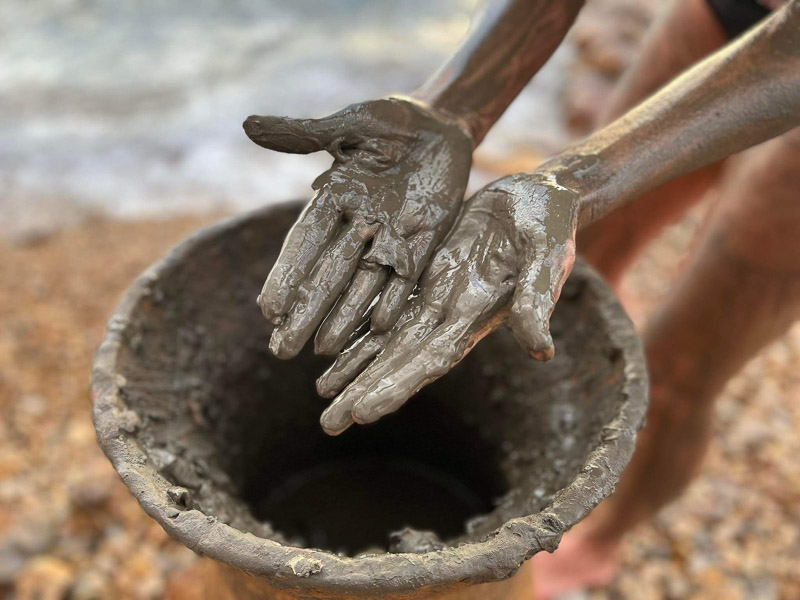
Time to mud up, breathe deep, sit back and float, and get ready to walk out looking ten years longer.
It feels quite awkward floating on the Dead Sea. First because you have to resist the natural urge to dive headfirst into the water, and second because you have to learn how to let go and trust your body will just float.
You can trust the science on this one, the Dead Sea will hold you afloat. (see more in this Reel)
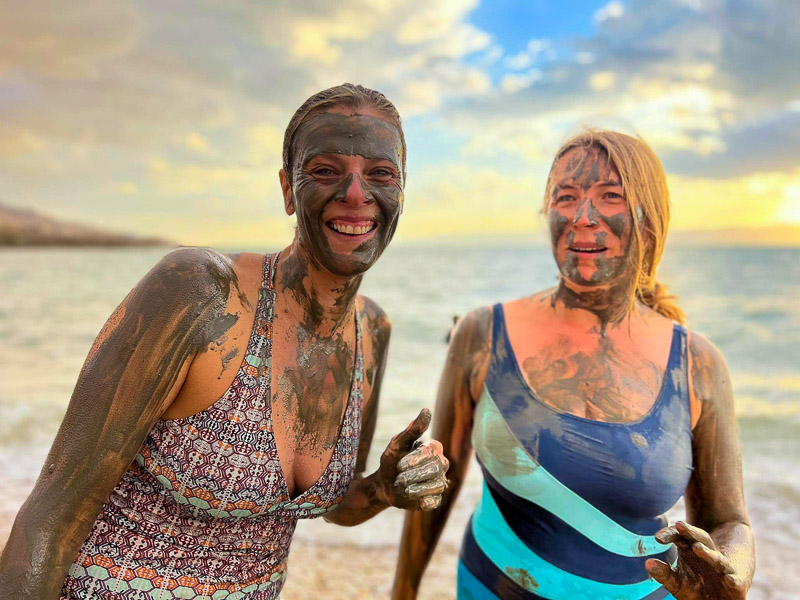
I was worried the water would be cold, but at 22 degrees it was quite pleasant. As soon as you get out, your swimsuit is practically dry. My skin felt slimy, yet soft at first, but it didn’t take long before it felt salty crusty.
The views as the sun sets behind the Israel mountains on the other side are gorgeous.
Then you’re only a few steps up to the pool bar and spa for a sunset drink after it.
I also went in the morning with my friend Susan and we had the whole sea to ourselves.
Where to Stay: Movenpick Resort and Spa, Dead Sea
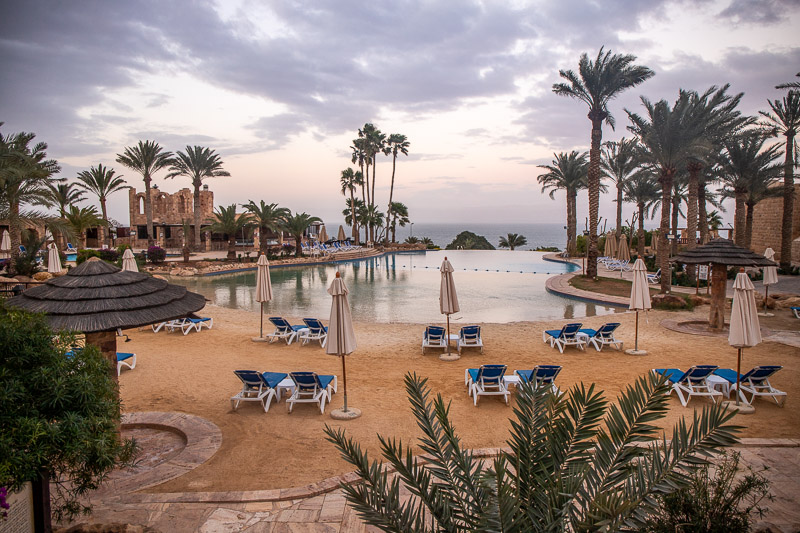
The Movenpick Resort and Spa at the Dead Sea was our stay for the fifth night of this itinerary.
Visiting Jordan in the off-season meant we got to stay at this luxurious 5-star resort right on the edge of the Dead Sea for a much cheaper price.
It wasn’t crowded at all and the weather was warm enough to go for a swim in the Dead Sea from the resort’s private beach.
The pool area was beautiful with views, a sandy beach, and a spa. There were several restaurants at the resort to choose from for dinner if you did not want to eat at the included buffet dinner.
We had a delicious Italian meal on one of our night’s at the resort while watching some belly dancing entertainment in the courtyard.
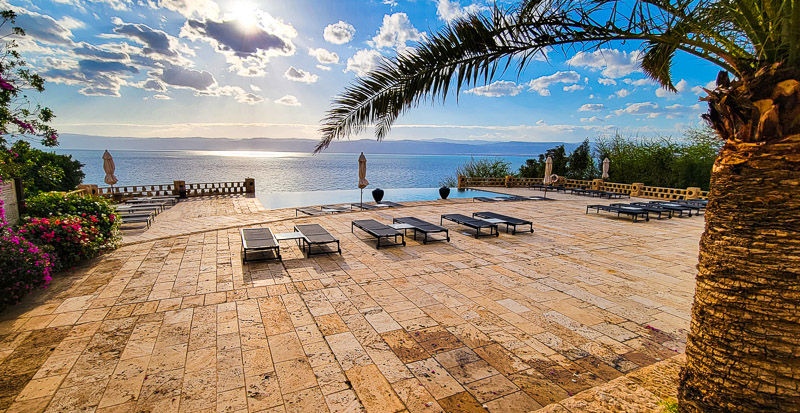
We had free time on our last afternoon, so I booked in for a hot and cold stone massage at Movenpick’s Zara Spa, which is said to be one of the best spas in Jordan. It was sensational.
If you spend $100+ on a treatment you get access to the spa’s amenities, which include a saltwater floatation pool and two infinity pools with the most amazing Dead Sea Views. (Check out the views in this Reel)
If you have time, it may even be worth it just to pay for the pool access.
Day 6: Dead Sea & Religious Historical Sites
My focus for most of this Jordan itinerary was on the highlights of Petra, Wadi Rum and the Dead Sea.
I didn’t think too much about the full day we’d spend exploring significant religious historical sites in what is known as the Holy Lands.
It turned out to be just as good impactful and memorable as hiking through Petra.
Stop 1: Bethany Beyond the Jordan
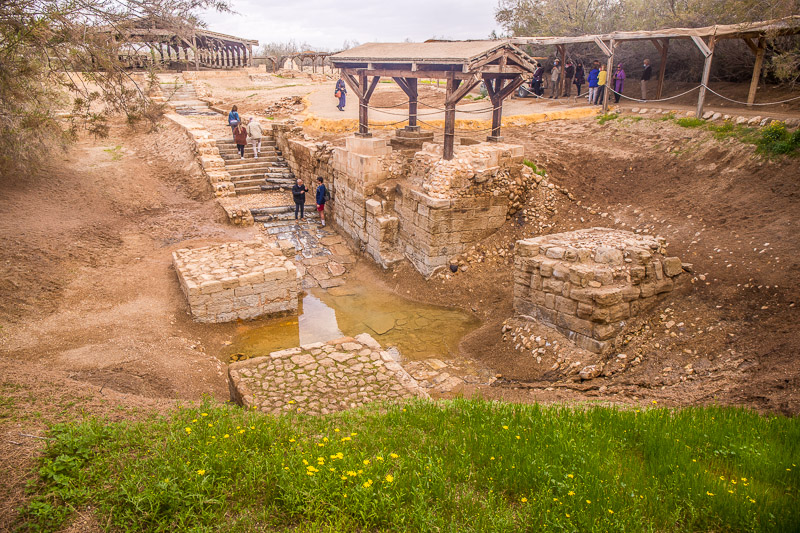
Bethany Beyond the Jordan was a spiritual experience my lapsed Catholic self was not expecting.
It reminded me that while I don’t believe in religious constructs, I always have believed in and liked Jesus and his teachings of kindness, acceptance, and love.
So being at the place where Jesus was baptized by St John the Baptist (the name of the school I attended) was quite monumental and moving. (You can read more of that experience here)
In a lifetime of travel experiences through over 50 countries, this is one that will sit with high definition clarity at the top of my memory box.
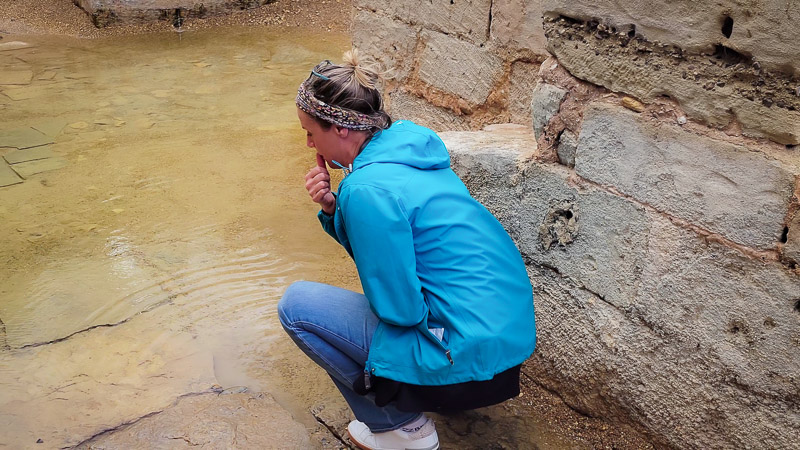
Bethany Beyond the Jordan is a religious site that was only uncovered about twenty years ago. Multiple sources prove that this was the exact place pilgrims traveled for thousands of years to honor Jesus, St John, and the beginnings of Christianity.
I promise you there is a special kind of sacred energy here.
Jesus’ baptismal site is now a little back from the Jordan River as it has shrunk over the years. They have diverted the water from the river into a sacred pool shaped like a cross to honor this place of significance. (You can see more in this Reel)
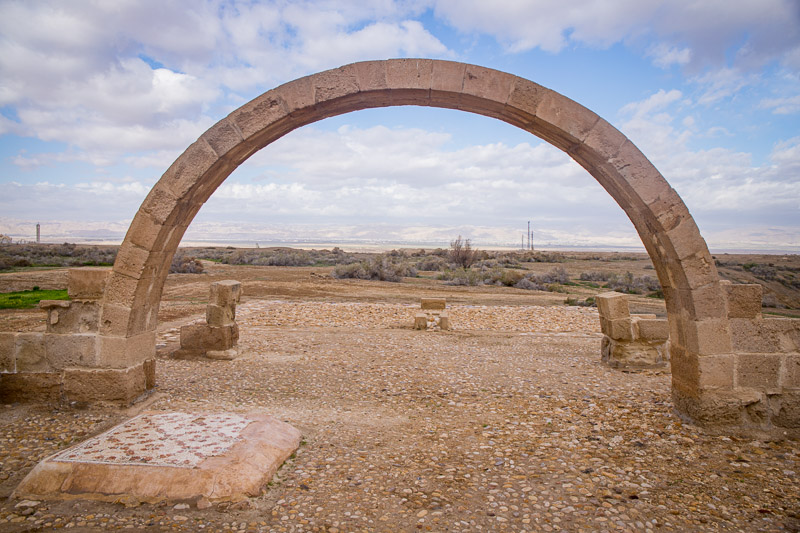
There are several sites to visit in the area, including Elijah’s Hill where it said the prophet Elijah rose into the heavens on a fiery chariot.
You can also see St John’s cave where he began his ministry and lived for many years. The remains of a church built around the cave points to its significance.
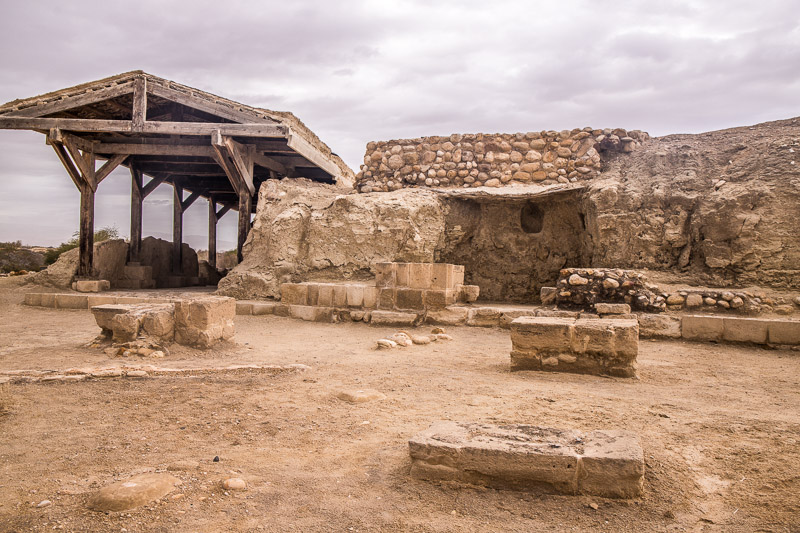
There are also several churches in the area, one being the beautiful Greek Orthodox St John the Baptist church of St John built in 2003 on the banks of the Jordan River.
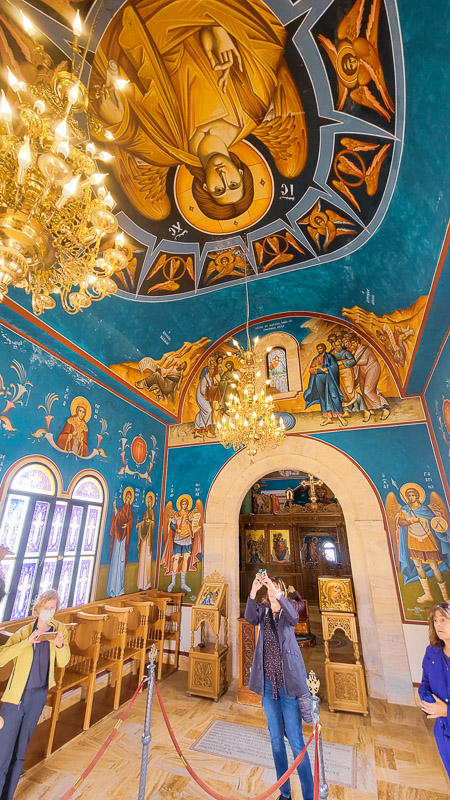
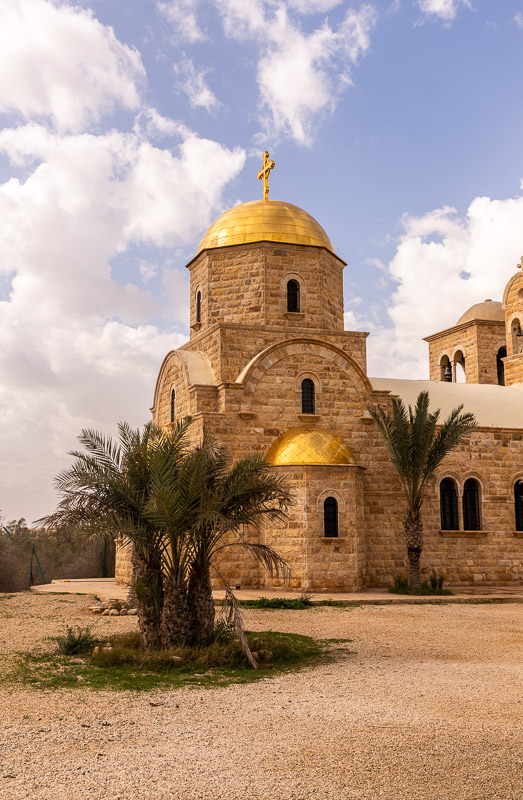
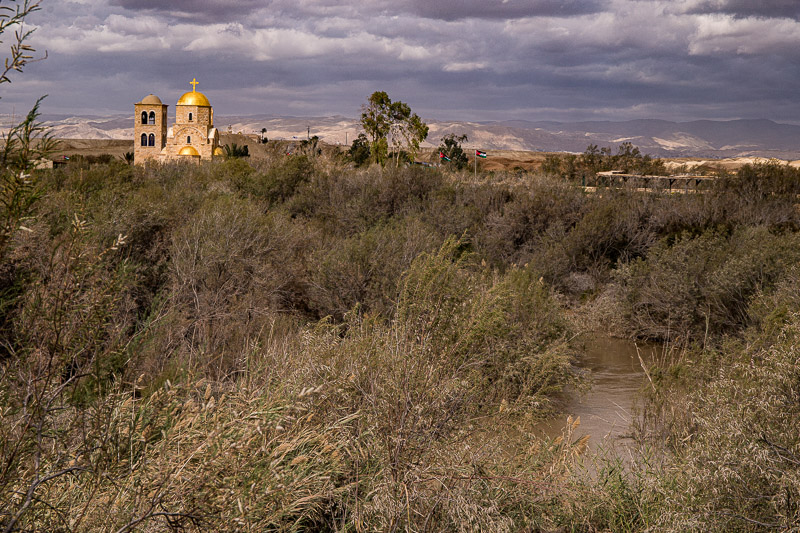
Israel lies very close on the other side, and the banks are strangely lined with gum trees.
Stop 2: Madaba Archaeological Park & Museum
Only about an hour from Amman is the town of Madaba, also known as the City of Mosaics.
Founded 4,500 years ago, Madaba flourished during the Byzantine era as a regional center of religious life before being destroyed in an earthquake in the 8th century AD.
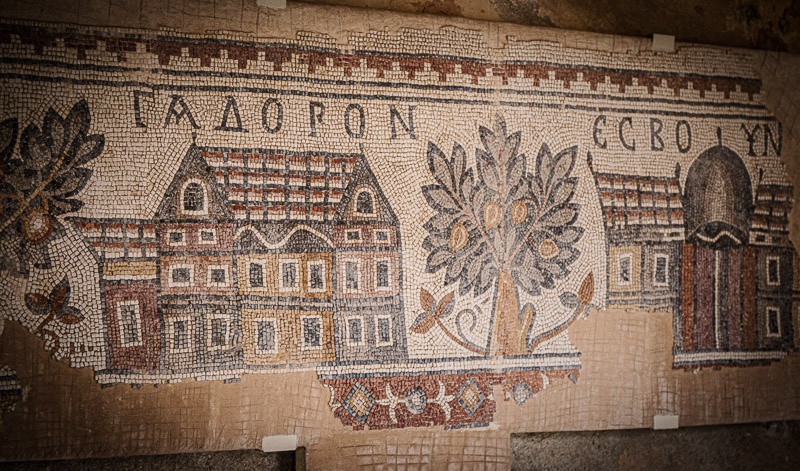
It lay forgotten for over a thousand years, until the late 19th century when a dispute over the building of new churches led to people digging to uncover the old ones.
In the process, they uncovered a city of marvelous mosaics, many of which have been restored and preserved. It’s estimated many more lie hidden under Madaba homes.
The Madaba Archaeological Park & Museum complex includes the remains of several Byzantine churches, the famous Madaba Mosaic Map, the outstanding mosaics of the Church of the Virgin and the Hippolytus Hall, part of a 6th century mansion.
Stop 3: St George’s Church and the Madaba Mosaic Map
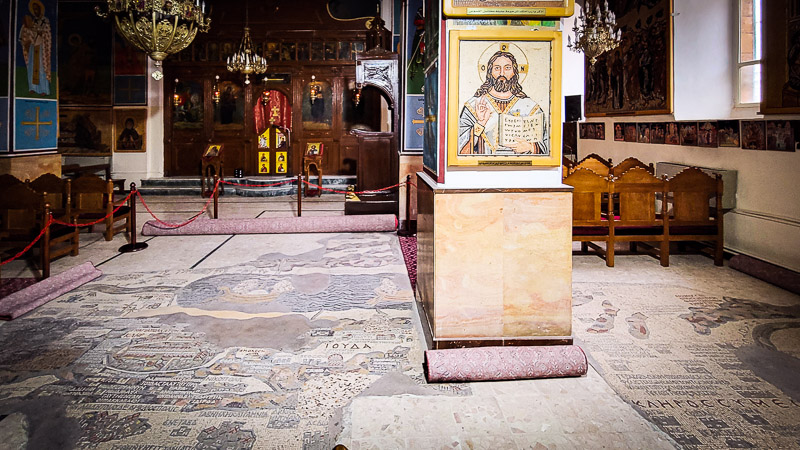
Built at the end of the 19th Century, this Greek Orthodox Church is home to one of the most important relics from the Byzantine era: The Madaba Mosaic Map.
They uncovered part of it during construction, and the map now sits protected on the floor of St George’s Church. There is only about a quarter of the map left in existence.
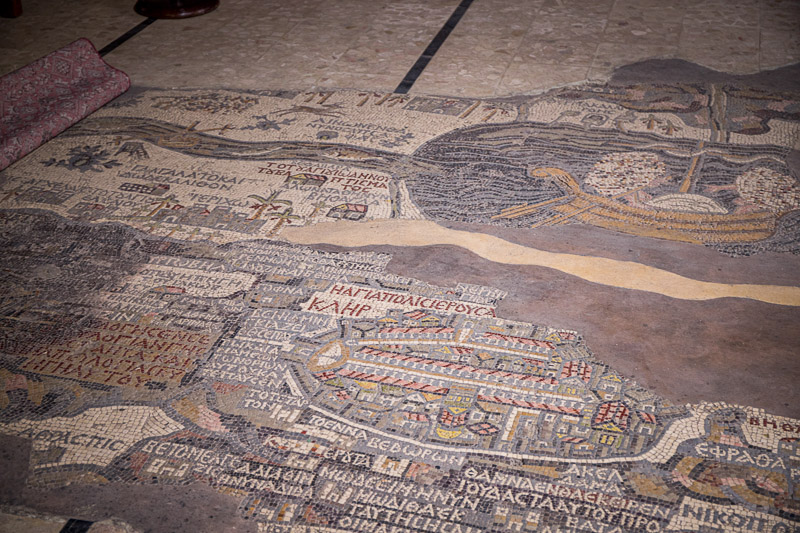
The Mosaic Map was created in the 6th Century to help Pilgrims find their way around the Holy Land. Intricate details show the location of the Holy Land sites spread across modern-day Jordan, Israel, the Palestinian Territories and Egypt’s Sinai.
It was one of the sources that helped them determine Bethany beyond the Jordan was the exact location of Jesus’ baptism.
Before we looked at the map, Osama showed us a re-creation of what the in-tact original may have looked like, pointing out the places of significance. Without this, it would have been difficult to understand as it’s just bits and pieces of a map.
As we had visited a few of the historical sites on this Jordan trip, I enjoyed looking at the map and putting it all together.
It gave me a tiny insight into how it must have felt to be a pilgrim looking at this map to help fulfill your quest. A bit like how I felt in my first years of travel with a Lonely Planet guidebook and map in hand.
Stop 5: Church of the Virgin Mary and Hippolytus Hall
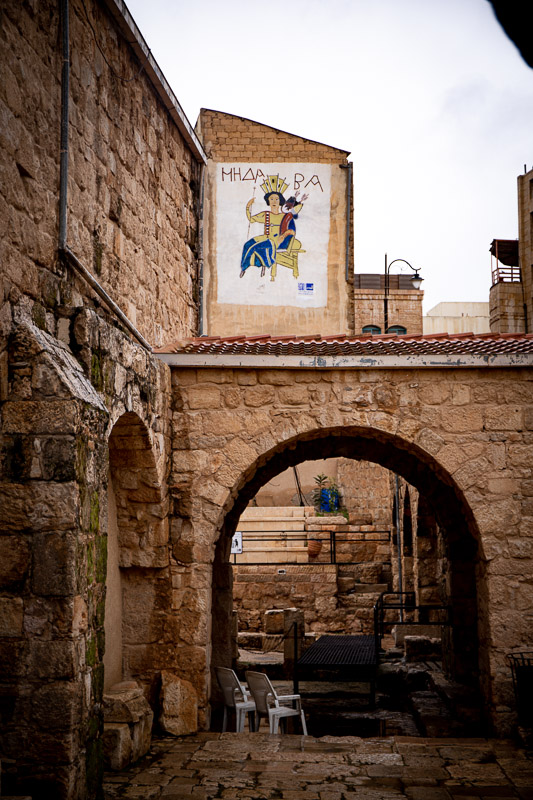
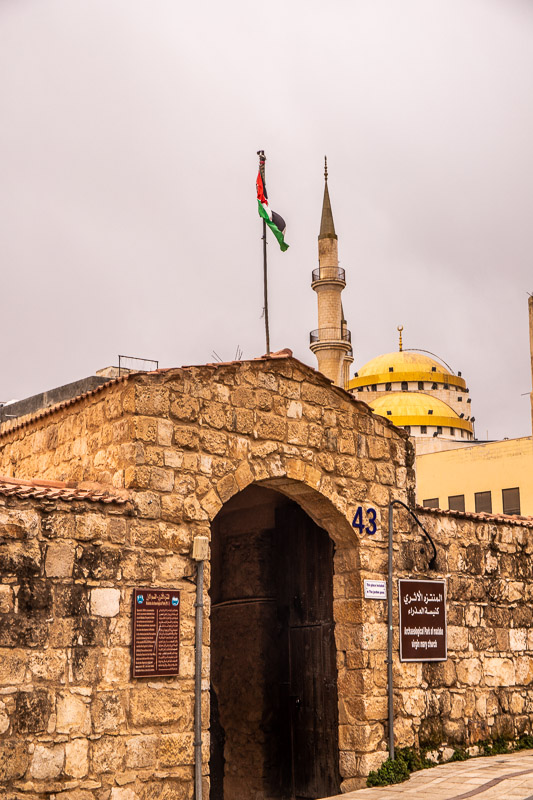
In 1887, a large floor mosaic with three inscriptions was unearthed in an ancient building occupied by a Madaba family. The inscriptions identified the place as the Church of the Virgin Mary.
It wasn’t until 1972 that they began excavations and discovered that the church was built above the hall of an earlier Madaba Mansion known as Hippolytus Hall.
There’s more.
This sixth century mansion was built upon a circular Roman temple, which you can see from the circular nave in the church.
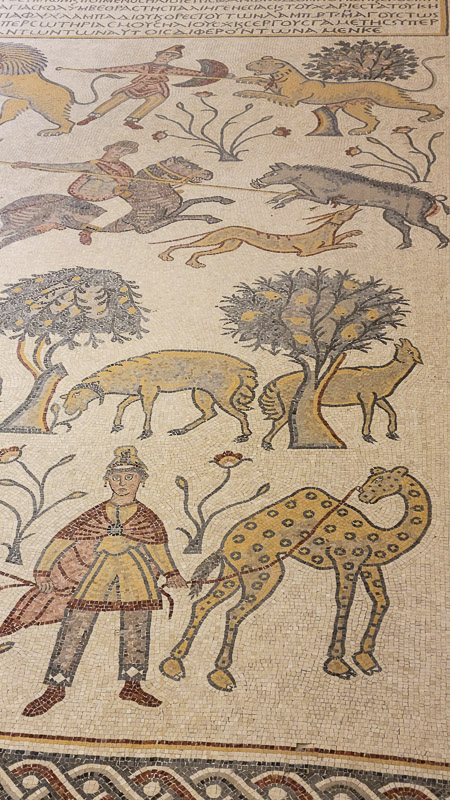
You can walk around the remains of the church and mansion and enjoy the beautiful mosaics within.
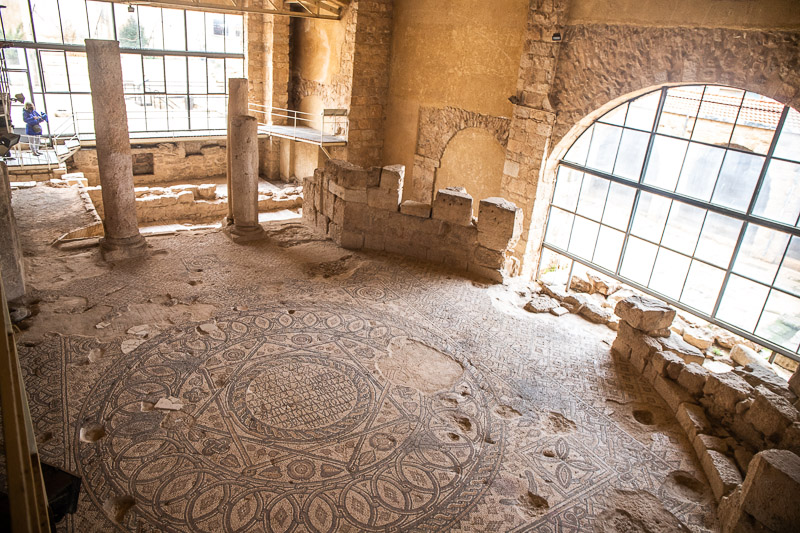
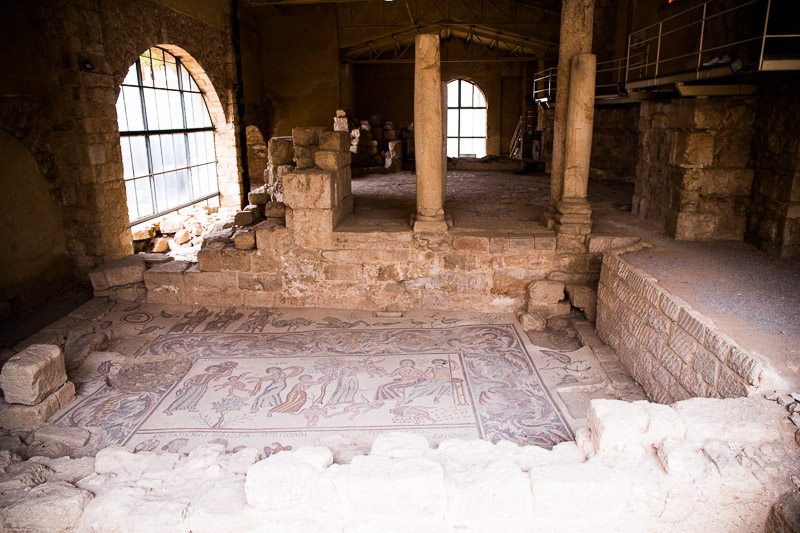
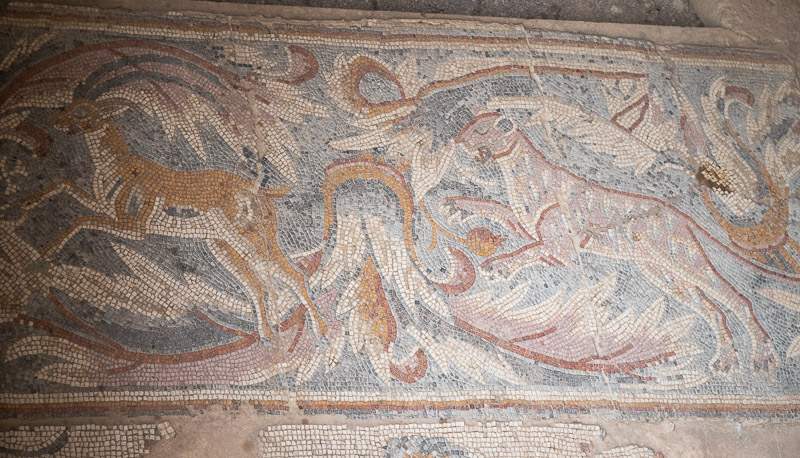
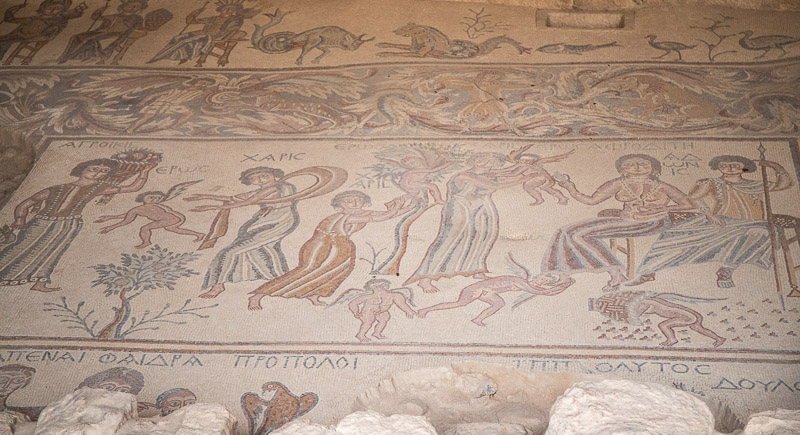
Hippolytus Hall is named for the floor mosaic that depicts characters of the tragedy of Phaedra and Hippolytus.
Again, it’s mind-blowing how intact and beautiful these buildings and mosaics are that are thousands of years old!
Stop 6: Mount Nebo and the Promised Land
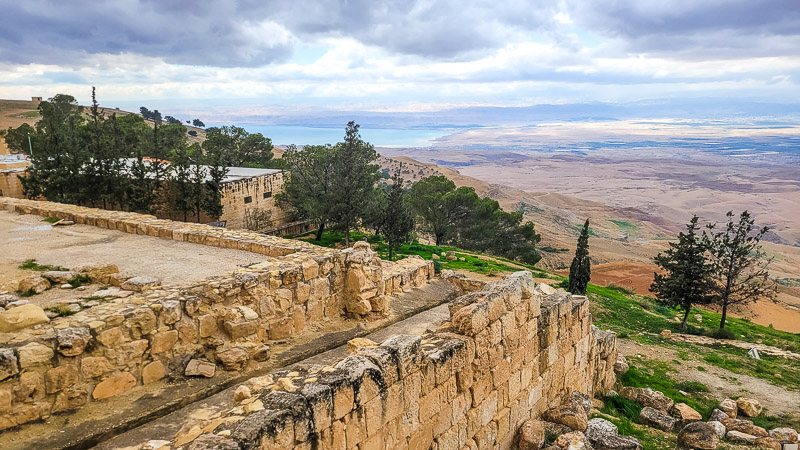
Mount Nebo is a historical sight of huge religious significance. It’s the place where Moses looked out over the Promised Land of Canaan.
God forbade him from going any further and, as the scriptures say, he died here before leading his people down to it. It is said Moses is buried in this area, but no one knows where.
And now you can see that same Promised Land view: The Dead Sea, the Jordan River valley, Jericho, Bethlehem, and the distant hills of Jerusalem.
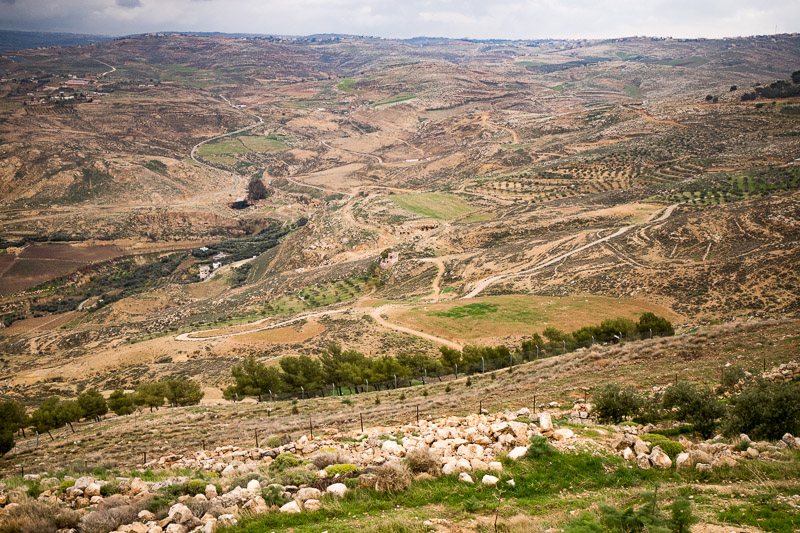
Mount Nebo became a place of pilgrimage and in the 4th century monks built a small church on the peaks to commemorate the end of Moses’ life.
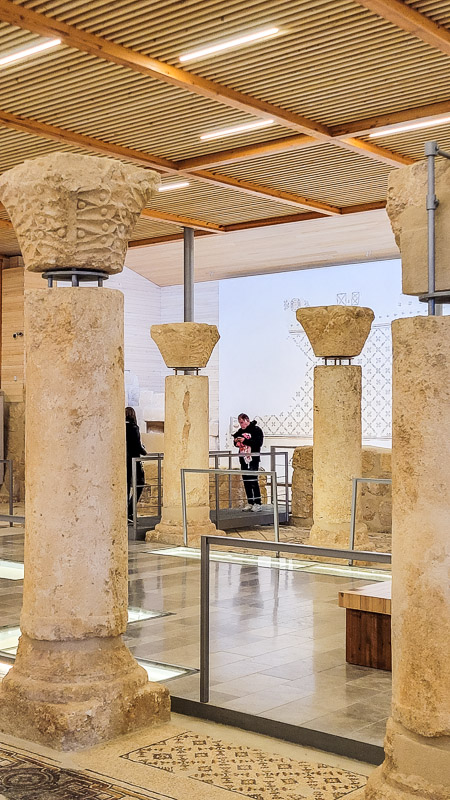
The church later expanded into a large basilica with a stunning collection of Byzantine mosaics, which can still be seen today in the present-day church.
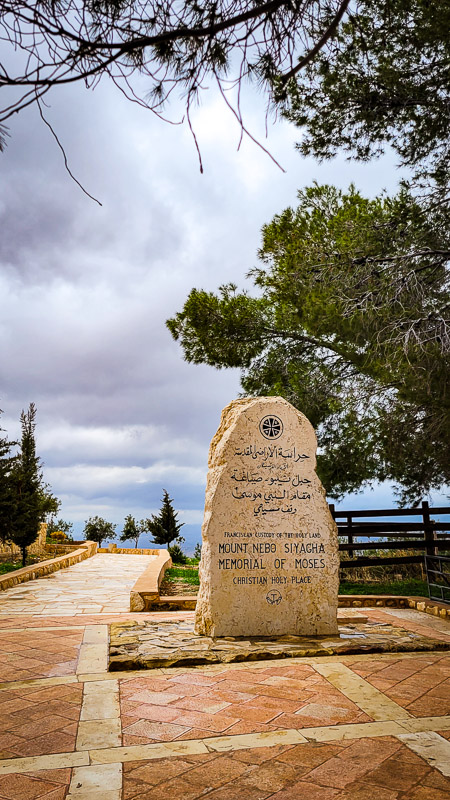
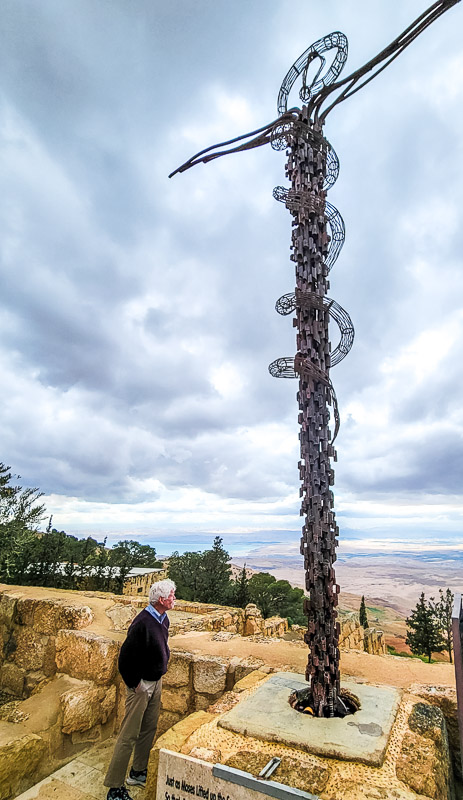
Outside the church is a bronze serpentine cross, the Brazen Serpent Monument by Italian artist Giovanni Fantoni.
It’s designed to merge the bronze serpent Moses set on a pole in the desert that would heal and save his people with the cross upon which Jesus was crucified to save the world.
Day 7: Amman
What you do on this final day of your Jordan itinerary depends on what time you are flying out.
Spend some time exploring the sites of Amman that you missed on day one and two, or take a day trip.
Hot Tip: My flight was early morning, so I left the resort about 10pm. Had I known how great the Dead Sea Resort and Spa was, I would have delayed my flight until the following day and stayed an extra night and morning.
Map of This Jordan Itinerary
To help you navigate this itinerary, here is a map of all the sites, hotels, and attractions and driving routes between them.
FAQs About Visiting Jordan
When is the best time to visit Jordan?
The best time to visit Jordan is in the Spring and Autumn when the weather is warm but not too hot, and the crowds have dispersed. March – May and September – November are quieter times for tourists.
Is the Jordan Pass worth it?
The Jordan Pass is a pass that waives visa fees and grants you access to over 40 attractions, including Petra. Because it has Petra included, it’s absolutely worth it, as the entrance fee for Petra is quite expensive. If it wasn’t included, I wouldn’t say it was worth it.
What should I wear to Jordan?
Most people who have never visited Muslim countries before are often worried about what to wear. In Jordan, wear comfortable, loose-fitting clothing that’s modest and conservative. Bring clothes that cover the knees and shoulders, as you will need to cover these areas when visiting religious sites.
Can I drink alcohol in Jordan?
Yes, you can drink alcohol in Jordan, but it’s restricted to hotel bars. Jordan is a predominantly Muslim, and so alcohol is not part of the culture, although Jordan wine is delicious! It’s illegal to drink in public areas, such as on the street, parks, beaches, and hotel foyers.
Jordan Escape By Globus Tours
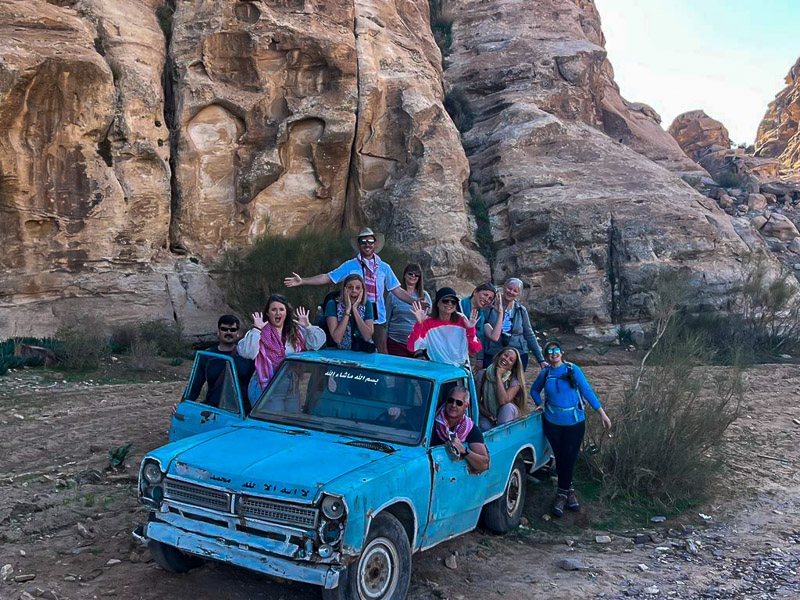
We explored Jordan on the Escape Tours by Globus, which are designed to give you the best itineraries across the globe, but at a more affordable price with fewer crowds.
It’s because they travel in the off-season (which is always one of our top travel tips to help you travel more!)
That’s 5-star experiences for up to 30-40% less than you’d pay in the peak season. Plus, for most Escapes tours, there are a number of single rooms available where the single supplement is waived.
I was worried it may have been too cold in Jordan during the winter, but the weather was pleasant for most of the trip.
We even ended up with slight tans after a day in the warm desert sun in Petra.
In fact, I couldn’t imagine how uncomfortably hot it would be during the peak summer season.
Our tour included highlights like the Dead Sea and two UNESCO World Heritage Sites: Wadi Rum Protected Area and Petra (which is also a New Wonder of the World). But we also had smaller, lessor known experiences that were just as good. (Read this post on memorable Jordan moments)
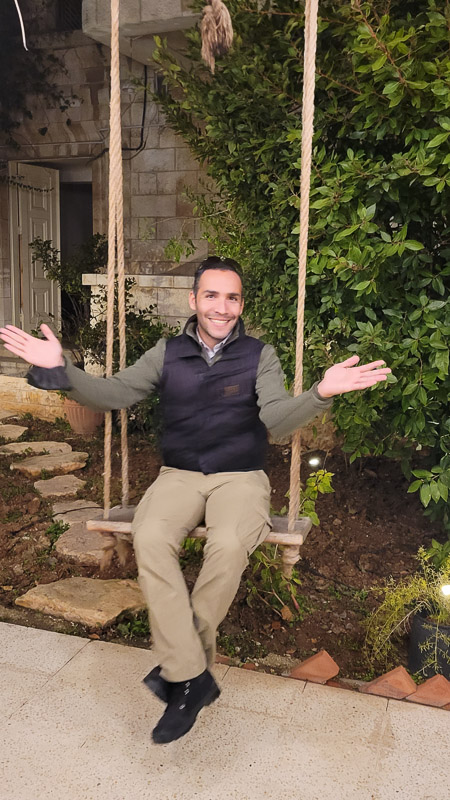
I loved being able to explore Jordan without having to organize anything. As a busy Mother (and business owner), this is the greatest benefit of a group tour.
Globus takes care of everything – even taking your bags off the bus and straight to your room.
Transfers to and from the airport are included as part of the tour. Clearing immigration can be a stressful part of international travel, but Mohammad from Globus met me at the gate to help me liaise with the immigration officer.
He then picked up my luggage, took me through customs, and then steered me towards the best ATM (for rates) before taking me to my car transfer. That was a service I have never received before and completely loved.
Our guide, Osama, was also a highlight of the tour. He gave us valuable tips and insights on Jordanian history and culture, how to make most of our time at the attractions, and which vendors were legitimate to buy from (and what was a good price).
I loved hearing from him stories about arranged marriages, the lifestyle of the Bedouin people, the different religious traditions, and the in-depth history of the country starting from the ancient Nabateans to the current Hashemite Kingdom of Jordan.
This was my first time traveling to the Middle East and I loved it. Not only is Jordan stunning with a fascinating and rich history, it is filled with warm, friendly and welcoming people.
Comment: Do you have any questions about my Jordan trip? Do you have any best things to do in Jordan to add to the list?
Pin to Save On Pinterest
Hello Caroline,
Many thanks for your detailed blog – much appreciated!
I am due to go on this Globus tour in December and trying to plan my free time.
Do you remember how much free time (lunch time inclusive you got at Petra?) I want to go to Little Petra (the optional excursion) but I want to also walk to the Monastery 🙂
Whereabouts did you have to meet the tour to go to the Optional Excursion (was it the Visitor Centre?)
Many thanks
Hi Sam
I didn’t do the Little Petra tour so am unsure where they met. But the guide will be with you, and they will let you know. You may get time to walk to the Monastery if you didn’t participate in the tour with your Globus guide. I really don’t want to give you the wrong information though, so I’d reach out to Globus and ask them. They’re customer service is great so I’m sure they can answer that question for you and tell you all the available options. EG. You may be able to go in earlier than the tour and see the Monastery and meet back up with the group after. But I can’t say for sure. Here is more information on Petra in case you didn’t see that post https://www.ytravelblog.com/guide-petra-jordan/