
This post may contain affiliate links. We may receive a small commission, if you make a purchase. Read Disclosure.
When your shopping for your next trip, picking the best shoes for travel is the hardest decision to make. They don’t just need to be comfortable, but they need to be stylish, they need to fit the purpose, they can’t take up too much space, and they need to be lasting.
Finding shoes to meet this criteria is no easy task, and the criteria also differs depending on the type of shoe you’re looking for, and the purpose of your trip.
Since I can’t be the only one who feels overwhelmed at the idea of shopping for shoes, I decided to write this guide on how to pick the best shoes for travel so you can make decisions about what’s right for you when you go out shopping.
How to pick the best shoes for travel?

I absolutely love stylish-looking shoes, but when it comes to travel, you need to look for comfortable travel shoes that are durable and good for your feet.
Before we go into how to pick the best travel shoes, think about where you will be traveling. If you will be visiting mostly cities, you will need stylish and comfortable travel shoes that you can walk in for a long time.
Carefully think about where you will be traveling and what activities you will likely end up doing. This will help narrowing down your shoe options much easier.
When choosing shoes, here are some tips to consider before making any purchase!
Picking city shoes
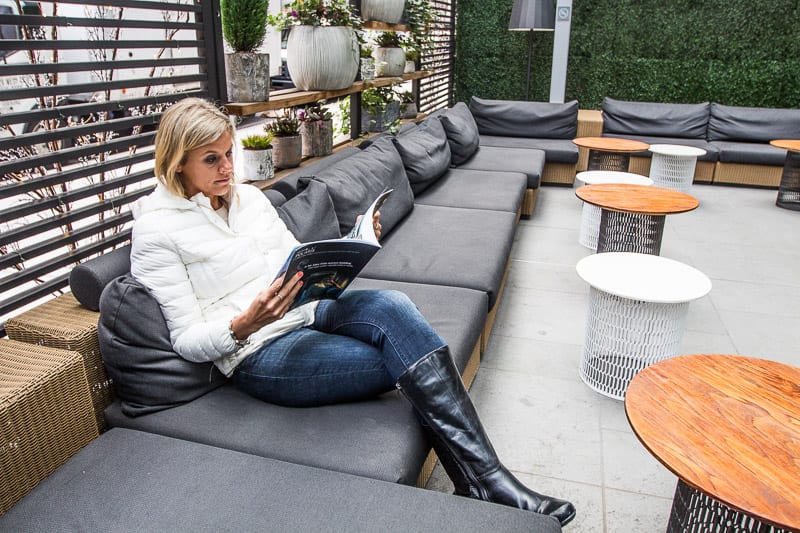
For city trips, you’re going to need something that’s comfortable for a lot of walking. European city breaks are common, and most people think they can wear Chelsea boots or flip flops, and then find their feet hurt after a long day of walking.
This is because of the terrain. In most cities, the terrain is either flat pavement or cobbled street, which can hurt the balls of your feet if you don’t have comfortable shoes.
The best travel shoes, if you will be visiting cities, are either comfortable walking shoes or sandals that are light, breathable and durable.
Pick a shoe with an arch, so that your feet don’t feel too flat throughout the day. Consider a running shoe or Birkenstock sandals, which have a soft sole, and can absorb the shock of the terrain and stop your feet from hurting. You don’t want to come home with plantar fasciitis!
You may not want to take Birks if you’re visiting in the winter, of course. Always consider what time of year you’re visiting and the temperature of the destination.
My Teva sandals were perfect for walking in the city in hot climates. They were foot flattering yet had arch support and straps that held the sandal firmly to the foot.
Tips for picking the best city travel shoes
- Choose a breathable material or shoes that have a mesh area for ventilation. Leather shoes can be too hot and don’t bend well, especially sneakers, so choose ones that have a fabric material.
- Choose shoes with thick yet flexible soles to help with shock absorption on hard pavements.
- Ensure that the shoe is attached firmly to the foot. Ballet flats may look stylish but they are terrible for your feet.
- If you want to wear stylish ballet flats, choose ones with a thick sole and straps that attach the shoe firmly to your feet. Rubber soles are best as they are slip resistant, comfortable, and durable.
- Wear small socks with walking shoes and hiking boots to prevent rubbing. Bring enough pairs so that you can wash them in the bathroom with soap and wear a new pair each day.
- Get a pair that’s lightweight and doesn’t feel like you’re wearing shoes at all!
- Supportive hiking boots such as Tevas are great for city travel. They look stylish yet are supportive and practical.
- Avoid white sneakers, they just get dirty too quickly and you don’t want grubby shoes in your photos!
Picking shoes for Backpacking
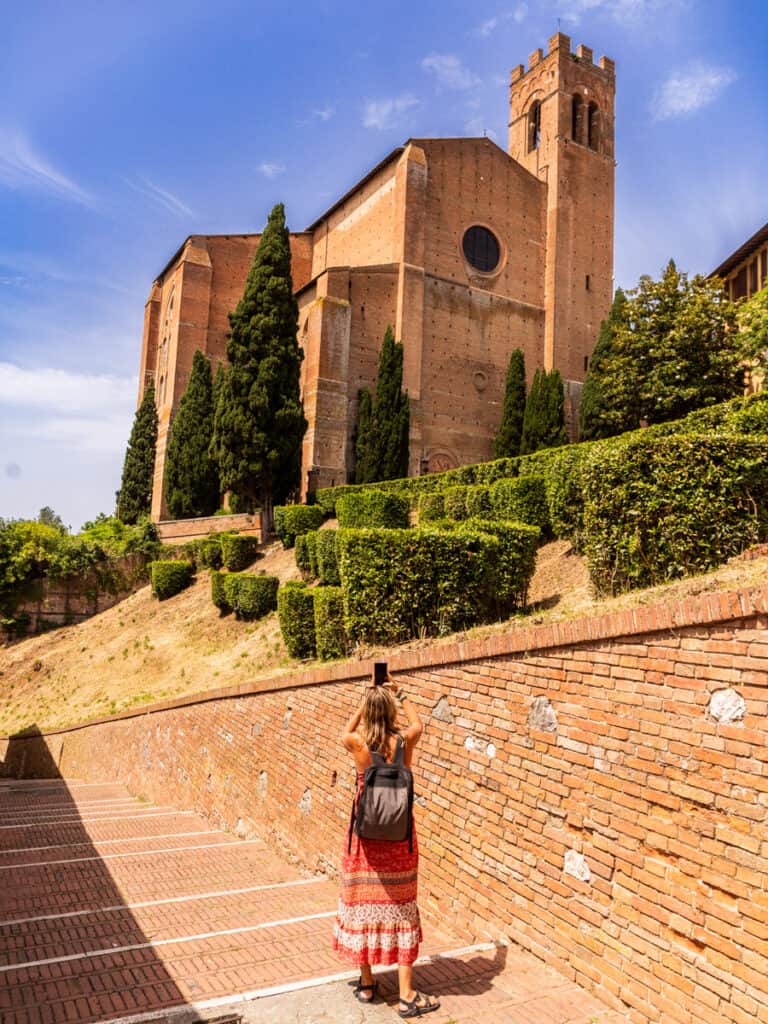
Often when you are backpacking, you don’t know what’s around the corner. One week you might be traipsing around in a European city and the next you might be hiking in the jungle. It’s best to pack a couple of pairs of shoes for different occasions (see below).
My Karrimor walking shoes were perfect for this purpose. They weren’t too bulky in my suitcase and supported my feet, so I could wear them with multiple occasions.
The material was waterproof too which meant I could walk through rice paddies or shallow rivers and not have to worry about soaking wet feet.
Versatility is important when picking a backpacking shoe. You need ones that you can wear hiking in rugged National Park adventures, but also match your travel outfit if you were to stroll through a city.
My latest favorite backpacking shoes are Caco Z classics. I wore them every day in Europe for a month – they were comfortable, secure, and went with every outfit, even my nighttime fit!
Tips for the best backpacking shoes
- Waterproof shoes are best. If your feet get wet in a hot climate, fungal infections can form. No one wants an infection on their vacation, so try to avoid wet feet at all costs.
- Reiterating the top point, choose travel shoes that are constructed with breathable material too.
- Do the bend test. The soles of the shoes should bend slightly. If they can fold back on themselves they are not supportive and will not do their job.
- Don’t get leather sandals wet. The material can easily stretch when wet and it will crack when it dries in the sun. Sandals made with plastic are best if you will get your feet wet frequently. If you do wear sandals in the water, don’t get slip-ons, they will just float away.
- If you have especially sweaty feet try wearing `silver socks` when wearing enclosed footwear. The silver nanoparticles kill harmful bacteria and fungi, preventing fungal infections and keeping the feet healthy and odourless.
- Many nice bars or restaurants require closed toe shoes. Bring a pair of fold up ballet flats which you can wear with skirts and dresses for this purpose. They don’t take up much room and are an ideal emergency pair of shoes.
- Try to bring shoes in excellent condition, as they are going to get a lot of use. If you bring old shoes, they are likely to break on the trip!
Picking hiking boots for travel
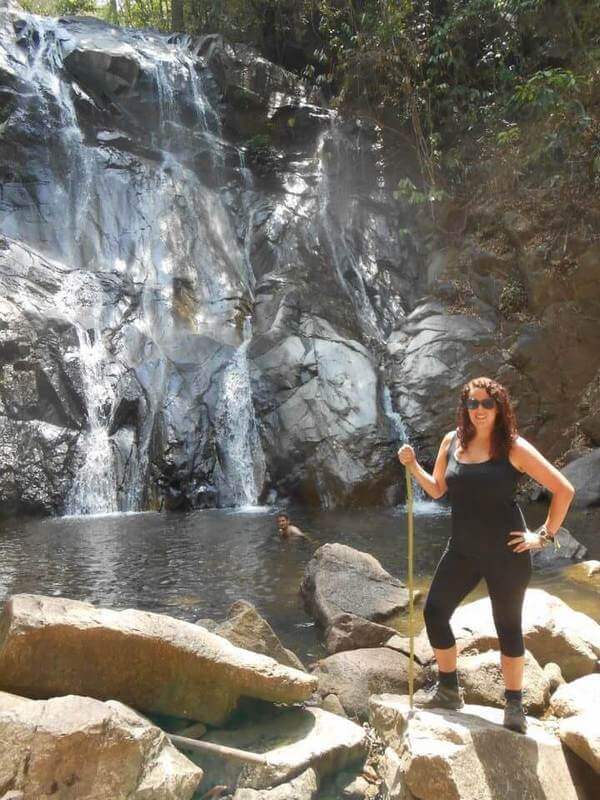
If you don’t plan on hiking there’s no point buying hiking boots because they are heavy and bulky and will mark you out as a tourist straight away.
If you are planning to go hiking on some serious trails, such as the Camino de Santiago, Appalachian Trail or Machu Picchu, you will need serious hiking boots to protect your feet and ankles.
If the trails are not serious, you may find a pair of trainers or trail runner shoes will be comfort enough.
It really depends on the hikes you want to do. If they are less than 8km and have little elevation, then go for trainers. If you are hiking for longer and have a rugged terrain and lots of elevation, get hiking boots.
Hiking boots are best for supporting your ankles and feet on the descent, so the elevation is your biggest consideration when picking shoes for hiking.
Tips for choosing the best hiking shoes
- If the soles of the boots bend at all, they are not suitable for this type of hiking. Make sure the soles are near 100% ridged to prevent injuries to the foot.
- The best walking shoes are ankle boots because they are better for serious walking and prevents the ankle twisting when on uneven ground.
- Choose fabric that is breathable.
- Choose a shoe brand that’s recognisable. You don’t want to skimp out on hiking boots, they are worth the investment.
- I recommend buying hiking boots that are at least half a size bigger than your regular shoes. When walking downhill the foot slides to the front of the shoe. If there’s not enough space, you could get serious injuries to your toes and may even lose a toenail.
- Try on multiple pairs of hiking boots. This is an occasion where buying online won’t work.
- Wear these hiking boots for a minimum of three weeks before your trip. Even good boots may be slightly painful to wear. Let the boots adjust slightly to the unique shape of your feet before setting off on your big trek or you might regret it.
- Wear sock liners under socks when hiking to prevent rubbing and to wick the sweat away from your feet.
Read More: My Keen women’s hiking sandals review
Picking Beach Holiday shoes
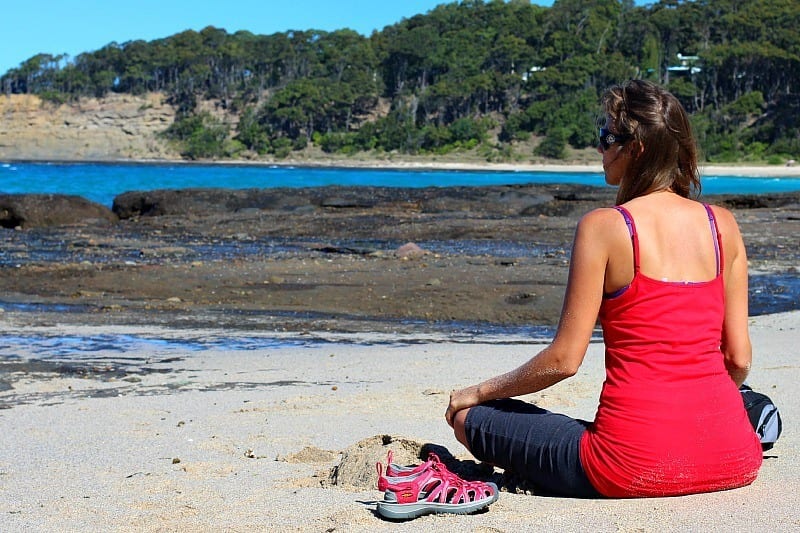
Many people wear only flip flops when traveling to a beach destination, and this is a rooky mistake. Last summer, I wore sandals every day, and my feet were destroyed by the end of the trip – they were dry, cracked, and looked a state. Nobody wants to bring home yukky feet from their trip!
Sand is one of the worst surfaces you can walk on. If there’s any problem with your foot, it can exaggerate it tenfold.
While it’s ok to wear flip flops for short periods of time, but make sure to wear a supportive sandal the majority of the time.
You got to find the perfect balance between sandals and flip flops.
Tips for choosing beach holiday shoes
- Choose a sandal made of plastic or a robust material as leather can stretch, crack and lose its shape when exposed to water for long periods of time.
- Choose a thick sole to minimise the amount of sand that goes under your feet when walking on the beach.
- Make sure your feet are completely dry and sand free before putting on your enclosed shoes after the beach. Saltwater and sand can irritate the skin.
Before You Go

Your travel experience will be spoilt if you suffer from painful or infected feet, so choosing the perfect shoe is important to make sure your trip isn’t ruined.
In many places, it can be hard to find larger sized shoes that fit, so make sure you buy the perfect pair of travel shoes before you hit the road.
Remember to wear your shoes for at least three days before you travel to check for any problems that might come up.
If you have any problems with your feet, be sure to see a podiatrist before you travel, to treat any problems and to give individual advice about what travel shoes will be suitable for you.
Pin To Save On Pinterest